




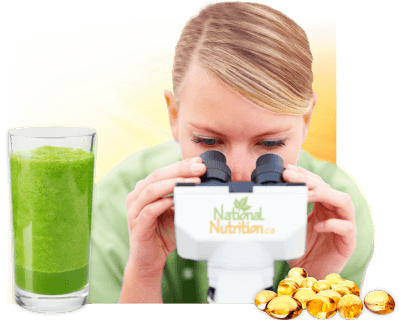









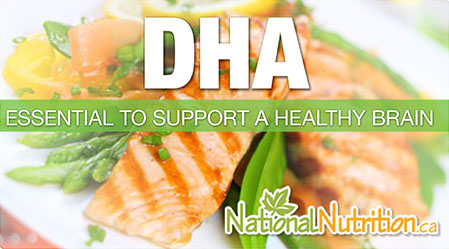
Fish contain the essential fat DHA, which is important for a healthy brain
Dha Supplements (Docosahexanoic Acid)
Updated Mar. 06th, 2024 | Read Time: 2 Minutes | What You Will Learn:
- Learn How To Increase Your DHA Intake
- Explore The Different DHA Supplement Varieties
- Shopping Tips For Buying Quality DHA Supplements
Docosahexanoic acid (DHA) is an omega-3 essential fatty acid. It is an essential component of the brain and central nervous system. It seems to concentrate in areas where there is lots of electrical activity such as the synaptosomes, where nerve cells communicate, and the photoreceptors of the eye. This is why a deficiency of DHA can result in poor brain development, attention/deficit hyperactivity disorder, learning disorders, memory problems and poor visual development. This is why DHA supplements are especially important in pregnant women, breastfeeding mothers and children. Some infant formulas are now fortified with DHA because, in the past, the formula contained fewer essential fatty acids than breast milk.
Learn How To Increase Your DHA Intake
DHA can be taken in through the diet by eating fish or fish oil. The body can also convert alpha-linolenic acid (ALA), from vegetable sources like flaxseeds, into DHA. However, the standard North American diet is deficient in essential fatty acids, especially omega 3s and very few individuals have enough excess ALA to meet the body’s need for DHA.
Explore The Different DHA Supplement Varieties
DHA supplements are usually made from tuna, salmon, herring, mackerel or sardines. These fish contain more omega-3-rich fat than other fish species. Cod liver and halibut liver oils also contain some omega 3s but are primarily used for their vitamin A and D content. Some newer fish liver oils have been fortified with DHA and may be an economical choice for those individuals taking both DHA and liver oils.
DHA supplements are found as liquid oil (processed to remove the fishy taste), soft gel chewables (flavoured) and standard soft gel capsules. Children favour DHA liquids and flavoured soft gel chewables. Fish liver oil supplements should be used cautiously in children, and pregnant and nursing women because of the toxicity of fat-soluble vitamins.
Shopping Tips For Buying Quality DHA Supplements
Ensure your fish oil supplement is not processed with heat because it damages the acids and creates free radicals. It is important to purchase a good quality DHA supplement that has been tested for contaminants. Refrigerate all liquid DHA supplements and keep capsules away from heat to increase shelf life. Using liquid DHA is much more cost-effective than capsules because numerous capsules must be taken to make an equivalent amount of liquid oil.



Its so great learning about all of these health supplements that provide so many great benefits. Food really can be your best friend or worst enemy! I'm so glad that DHA supplements exist, as it would be quite difficult consuming that much fish regularly! Some of the benefits listed in this article are amazing including vision and brain improvement, that's a win! It was also good to know that DHA supplements are best absorbed with other fats, I didn't know that previously!
Hello,
Foods rich in DHA or supplements containing DHA are great for skin and cognitive health. It can be difficult to get the correct amounts from diet alone, especially if you like to change the types of foods you eat, lol. We're glad you were able to learn more with our article, fat-soluble supplements should always be taken alongside a meal that includes healthy fats for better absorption. If you have an oil supplement form, you can always drizzle it on top of avocado toast as well for a unique way to consume it.
You can learn more about DHA & EPA here too:
https://www.nationalnutrition.ca/articles/supplements/supplement-articles-omega-3-epadha/
Have a healthy day!