










Alcoholism
Updated Oct. 25th, 2017
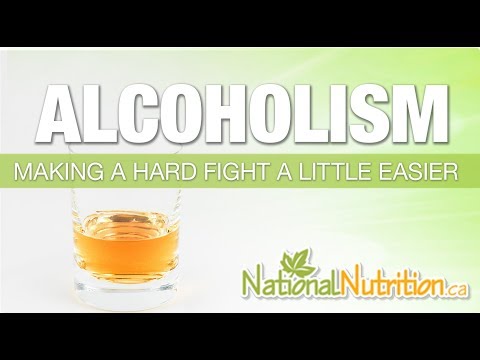
Alcohol related problems are estimated to affect 10 percent of North American society. There are many successful treatments available to those who suffer from this problem. Dependence on alcohol is broken down into two categories alcohol abuse and alcohol dependence. The former are not physically or emotionally dependent on the drug but still may need support to stop drinking.
Alcoholic women are more likely to suffer physical damage than male alcoholics.
This is because women have a higher fat content and less ability to breakdown alcohol, both of which contribute to higher blood alcohol levels.
One must not forget that alcohol also affects other family members. Some studies have found that they are at an increased risk for alcohol abuse. They may also be in need of physical and emotional support.
Alcoholism has some very serious symptoms which are difficult to identify in the beginning because of the slow development of abuse. Sufferers may begin to exhibit interpersonal problems stemming from depression, aggression and irritability and their professional lives may suffer. Alcohol abuse can cause short-term memory loss and personality changes which are noticeable to friends and family and indicate that the individual may need help. Biologically, alcohol is a toxin heavily affecting the brain, nervous system, liver and pancreas leading to long-term negative effects. An individual with an alcohol dependency may suffer from irregular heartbeats, stomach pain and inflammation, blood sugar problems like diabetes, tingling, impotence and numbness. Alcoholics tend to consume the majority of their calories in alcohol so they may be nutritionally deficient leading to a decreased immune response to colds and flus. Another alcohol abuse complication is the withdrawal period which begins several days after alcohol consumption ends and continues for up to one week.
Conventional treatment of alcohol related problems include support groups such as Alcoholics Anonymous for psychological dependence. Physical dependence is treated with drugs to decrease cravings, naltrexone, and drugs that cause ill effects if alcohol is consumed, disulfram or Antabuse. Natural therapies can help to decrease withdrawal symptoms, recover proper nutritional status and repair damage to organs.
Dietary changes for withdrawal include maintaining adequate fluid intake and alkalinizing the body. Drink lots of clear fluids and eat raw fruits and vegetables. Use vegetable sources of protein like lentils and other legumes. Eat magnesium rich foods like wheat germ and cold-pressed oils to reduce withdrawal symptoms.
Dietary changes for the several weeks of detoxification are aimed at stabilizing blood sugar and rebuilding the body’s nutritional stores. Avoid simple sugars, processed foods, fried foods, dairy products, soft drinks and candy. Eat small meals that are high in fiber, including whole grains, fruits and vegetables. Nutritional yeast is a good addition to the diet by providing a source of B vitamins that support the nervous system.
I quit consuming alcohol approximately 3 years ago. In addition to the above described tactics. I would also recommend the following as substance addiction is as much mental as it is physical:
1. Addictive Voice Recognition Technique: Learn to recognize when your addictive inner voice is urging you to want to consume alcohol. Remember that you addictive voice cannot control your body, as it is only a mental urging for you do something. Your addictive voice cannot tell your finger to move or cause your arm to lift. Only you through a conscious action can cause those body actions. As you recognize your addictive voice you will slowly and consciously say that it does not control my actions as you control your actions. You do not have to follow the urgings of your addictive voice, but consciously choose to follow your will which is the desire to abstain from alcohol. You will eventually learn to control and overcome your addictive voice.
2. Remember that alcohol provides a temporary euphoric feeling, however there is always an opposite other side side of those feelings whether they be undesired actions, behaviours or thoughts. Focus upon the unwanted behaviours, and not upon the temporary euphoria
3. If you feel like relapsing by consuming alcohol, then remember if you stop now then you will reset the clock to the beginning. If you quit now then you'll end up right back where you first began. And when you first began you were desperate to be right where you are now. Keep going.
4. Try non-alcoholic drinks such as non-alcoholic beer and wine. There are many great varieties which taste very much like the alcoholic versions. Sometimes the taste alone helps to pacify any cravings from your addictive voice.
5. Abstaining from alcohol will help to lose weight and improve your health. The absence of those empty calories by excluding alcohol really makes a difference upon your daily calorie intake and the ability for your liver to metabolize food. You will be quite amazed at how much easier it will be for you to lose weight and get in shape.
Hello Anil,
Thank you for sharing your experience and tips, it's not easy but you're doing amazingly and we know you can keep going & help many others. Glad you're steadily on a path to better health each day.
Stay well!
Alcohol addiction is quite serious and quite hard to quit. The negative effects far outweigh the short term benefits of instant gratification or relief. Detoxing is also tremendously difficult and quite a tedious process. Thankfully, there are supplements that can aid in the process to make things go a bit better. Prevention is always better than treatment, so it's always best to avoid alcohol altogether if you have an addictive personality or a history of addiction.
Hello, Rose With Thorns,
Thank you for your comment and we are glad you enjoyed this article. Indeed, supplements that enhance the detoxification process can help, as can those supplements that support organs that can be damaged. If you'd like to learn more about the suggestions outlined in this article, have a look through our supplement articles: https://www.nationalnutrition.ca/articles/supplements/
Wow: I didn't realized that a full 10 percent of North American society is affected by problems associated with alcohol! The statistic that alcohol plays a role in over 50% of accidental deaths is striking. Finally, while not surprised, I didn't know that women were more likely than men to experience "physical damage". By physical damage, do you mean damage to the body from impacts of drinking on biology or behavioral damage (e.g. risky behavior, vulnerability to abuse). I am glad that I never started drinking!
Hello Rachel,
Yes, these are quite shocking statistics. While being widely accepted by society, alcohol can cause many health issues. We're glad you enjoyed this article and thank you for your comment. Since you've been enjoying our articles, you may enjoy our youtube channel filled with informative videos: https://www.youtube.com/@NTLnutrition/featured
Have a healthy day!
This article provides a comprehensive overview of alcoholism, shedding light on the nature of the disorder and its impact on individuals and society. It discusses the signs, symptoms, and consequences of alcoholism, highlighting the physical, mental, and social aspects of the condition. The article also emphasizes the importance of seeking help and treatment, offering valuable insights into available options such as therapy, support groups, and medical interventions. While the article provides a solid foundation for understanding alcoholism, it could have further explored the underlying causes and risk factors. Nonetheless, it serves as an informative resource for raising awareness about alcoholism and encouraging individuals to seek support and recovery.
Hello, Nathaniel,
Thank you for your comment and overview. We're thrilled you enjoyed our article and learning about differing health concerns. There are many great cocktail recipes to enjoy over alcohol, you can find some here: https://www.nationalnutrition.ca/articles/healthy-recipes/