


















Top 7 Best Supplements for 2023
This year, we’ve rounded up the top 7 supplements of 2023 to help you live your healthiest life. No time to eat a healthy meal? Try a protein-rich meal replacement like Real Easy with PGX. Give your mitochondria a boost with Regenerlife. Detox your liver with Naka’s Milk Thistle liquid, optimize your immune system with Sambucol or Suro elderberry syrup, support your joints and muscles by discovering Theracurmin curcu-min extract and supplementing with Can Prev magnesium bisglycinate, or increase your sleep quality while decreasing stress with Natural Factors Stress-Relax Tranquil Sleep. Read more to discover the best picks to support these health concerns... ...READ MORE

Supplements for Dogs
Your furry best friend deserves the best. Whether your dog has health concerns that need addressing or you’re looking to be proactive and protect their health, learn about the different supplements that can help keep your fur-baby their healthiest for years to come. With supplements like NaturPet’s Joint Care available for your dogs joint health, Biologic Vet Biodigest, a plant-based probiotic that keeps their gut happy, or their Bio Fats 3-6-9 omega oil that will make their skin soft and their hair shiny, and mood support supplements to help with separation anxiety, there’s a natural way to help at every stage of your dogs life. Try the best selling canine vitamin by Omega Alpha, OptiPet Multi. Read more to discover which ones your furry friend would benefit from.... ...READ MORE
Medicinal Herbs
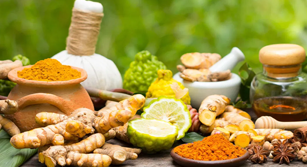
Take care of your health and well-being with the science of herbal medicine. Medicinal herbs have been used for centuries and offer a helping hand to many health issues. However, which formats should you use? Herb liquids, capsules, tea bags, or loose? Canada’s number one brand of liquid herbs is St. Francis Herb Farm, including their best selling Deep Immune. The huge selection that Nature’s Way offers in herb cap-sules, makes it easy and convenient to take your favourite herb daily. Celebration herbal teas gives both flavour and active medicinal ingredients in over 300 herbs in tea bag form. Don’t like tea bags? Organic Connections bulk and loose organic herbs give you the versatility to use your medicinal plants any way that you need. Read on to get the most out of your medicinal plants......READ MORE

New Health Food Store Brands
With more people turning to natural alternatives to care for their health, it’s no surprise that new brands are popping up frequently at health food stores near you. Here at Na-tional Nutrition, we constantly look for high-quality brands that we believe will help YOU. Recently we have added NaturPet, a line of pet supplements that are sold exclu-sively in health food stores, Le Comptoir Aroma, elegant essential oil diffusers and nebulizers, La Luna Soy Candles, so you don’t have to burn nasty chemicals in your home, Vital Proteins, the #1 collagen brand sold in health food stores, Kiss My Face body care so your self-care Sunday’s can be chemical free and Every Man Jack, a nat-ural line specifically formulated for men’s skin. Read more to discover all of what hese brands have to offer... ...READ MORE
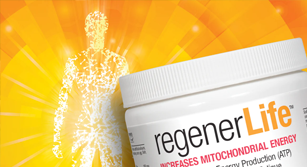
RegenerLife
Since the beginning we have offered Natural Factors supplements, and we are thrilled to bring our customers their new RegenerLife line! We live in a fast-paced, stress in-ducing world where many people experience fatigue and low energy. This line combats that by focusing on the health of your cells, more specifically the mi-tochondria where ATP is produced. Need some anti-aging help? The Regenerlife Longevity kit offers Mitochondrial Energy, Energy Surge, Omega-3, and Quercetin in convenient daily packets. Need help concentrating? Natural Factors Brain Revive in-cludes curcumin, probiotics, omega-3, and grape seed all in a single easy to take brain boosting packet. And if you’re in need of a good night’s sleep, Regenerlife Sleep Better with 5HTP does just what it says. Read more to learn how this line can support your health & vitality......READ MORE
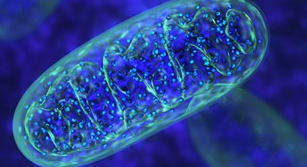
Best Mitochondrial Supplements
Currently, there is more research out there than ever before showing how important it is to look after you mitochondria. With many people eager to turn back the hands of time, supporting your mitochondrial health may be just the ticket to anti-aging support while also providing a dose of nutrients to your cells. Your mitochondria are responsi-ble for producing ATP, which provides energy to every cell in your body. Learn how you can optimize your health at a cellular level with clinically proven supplements like CoQ10, Acetyl L Carnitine, Liposomal Glutathione, the body’s master anti-oxidant, plus more. Read more to discover how supporting your mitochondria can help bring you energy, longevity and vitality...READ MORE