




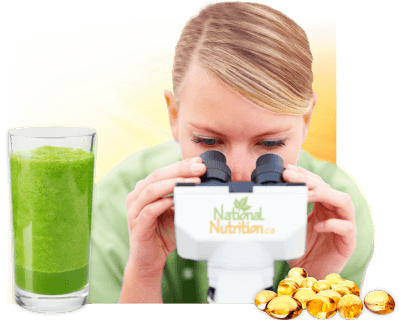







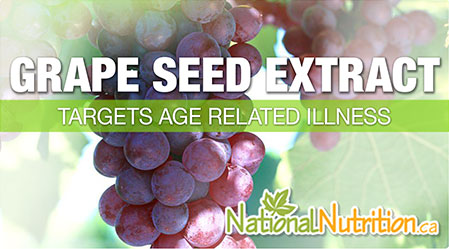
The seeds, skin and bark is used to create this antioxidant
Grape Seed Extract Benefits
Updated Mar. 28th, 2024 | Read Time: 2 Minutes | What You Will Learn:
- Antioxidant Properties Found in Grape Seed Extract
- Health Benefits of Grape Seed Extract
- Cardiovascular Health Support
- Anti-Aging and Immune Support
- Shopping For Grape Seed Extract Supplements
The seeds of the fruit of the grape plant (Vitis vinifera) contain certain constituents called oligomeric proanthocyanidins (OPCs), which are related to Resveratrol, a potent antioxidant. Grape seed extracts also contain Vitamin E, flavonoids, and linoleic acid. Most of the benefits of grape seed extract are attributed to its OPC content, and the cardiovascular benefits of drinking red wine are due in part to its antioxidant functions.
Antioxidant Properties Found in Grape Seed Extract
OPCs are strong antioxidants, which means that they are substances that protect cells from oxidative damage by neutralizing free radicals. Free radicals, on the other hand, are unstable molecules with unpaired electrons that are extremely reactive and can damage surrounding cell membranes, fats, and fat-soluble vitamins and nutrients.
You encounter free radicals through environmental exposures, such as cigarette smoke, air pollution, processed foods, and ultraviolet radiation from the sun (UV rays). In studies, OPCs are shown to be far more powerful than other antioxidants like vitamins E and C. Additionally, they work with the primary antioxidant in the liver called glutathione and recycle vitamin C so it can continue to fight free radicals. OPCs are easily taken in by most cells in the body and even cross the blood-brain barrier to protect our brain and nerves.
Health Benefits of Grape Seed Extract
Cardiovascular Health Support
OPCs are used for cardiovascular health because they strengthen the collagen lining of vessels, thus improving circulation, and decreasing inflammation and blood clots. This helps to reduce the risk of heart attack and stroke.
Anti-Aging and Immune Support
OPCs have anti-aging properties because they protect the body from environmental pollutants and other free radical sources. They also keep tissues, like the skin, elastic and keep the immune system in good working order (to prevent cancer formation). In addition to general immune system support, OPCs also help to prevent improper (allergic) immune responses. They do this by preventing the release of histamine from certain immune cells called mast cells. This reduces systemic inflammation and allergic symptoms like runny nose, congestion and watery eyes.
Shopping For Grape Seed Extract Supplements
Grape seed extract can be purchased as a powdered beverage or encapsulated extract. These supplements should be standardized as an assurance of the amount of OPCs they contain. Generally, 40-80% proanthocyanidins or 95% polyphenols are the standardizations used for medicinal use.



Did you know that grape seed extract is 50x stronger than Vitamin C and 20x stronger than Vitamin E? Plus, when you take GSE along with other antioxidants, your body will actually be able to recycle and re-use them, keeping them around in the body longer to help defend your organs and tissues against free radical damage. Grape Seed has a particular attraction for your collagen containing tissues, so it can help protect your arteries, your joints, and your skin from oxidative damage that causes premarture aging. The capsules are usually very small also.
Great to use to disinfect fruits and produce, especially if you are going to vacation in a tropical country.
Hello Sharon,
That's an interesting use for grape seed extract! It's definitely important to wash your fruit and vegetables properly. Thank you for sharing how you've been using grape seed extract.
Stay healthy & well!