







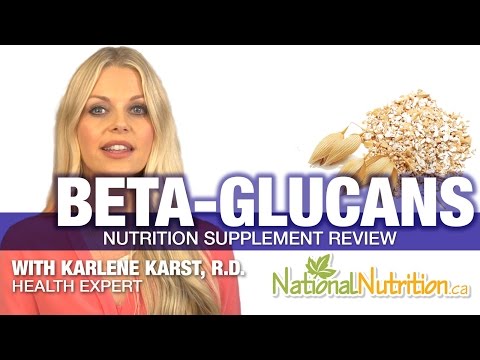
Beta Glucan Supplement Review
Updated Nov. 09th, 2023 | Read Time: 3 Minutes | What You Will Learn:
- What Is Beta Glucan?
- Key Health Benefits of Beta Glucan Supplements
- Beta Glucan Supplement Varieties
- Forms & Formats
- Dosage
- Safety Information
What Is Beta Glucan?
Beta glucan can be classified as a soluble or insoluble fibre, and varies in terms of viscosity and mass, depending on the source. While it can be found in some foods such as, bran of some cereal grains, including oats, wheat, and barley. Beta gluten can also be derived from medicinal mushrooms and some yeasts or taken in supplement form.
Key Health Benefits of Beta Glucan Supplements
As many fibres can, studies have shown that beta glucan can modestly improve cholesterol levels, reduce blood pressure and regulate blood sugar levels. In regards to cholesterol specifically, studies have shown beta glucans to be effective in lowering both total cholesterol and LDL cholesterol.
They have also been shown to have some immune activating properties, specifically in terms of gut mediated immune activity or GALT (gut associated lymphoid tissue). As an immunostimulant, beta glucan has been used for the treatment of chronic fatigue syndrome, physical and emotional stress and as an adjunct to radiation treatment protocols, particularly a specific beta glucan called lentinan. PGG glucan, another specific beta glucan, has also been shown to have effective infection fighting properties.
Many studies have also confirmed the effectiveness of beta glucan in terms of blood sugar regulation. Yeast derived beta glucans have also been implicated in the treatment of both allergic rhinitis and arthritis, although more studies are needed to confirm effectiveness and dosage.
Beta Glucan Supplement Varieties
Forms & Formats
As a fibre, beta glucan is often found in supplements derived from sources that naturally contain these fibres. Many medicinal mushroom capsules and powders contain beta glucan such as Maitake capsules by Host Defense or New Roots, Organic whole Maitake mushrooms from Organic Traditions or 5 Mushroom Blend powder from Wild Rose.
Dosage
As it is found in many grains/cereal products, beta glucan can be taken as food, or in a more potent supplement form. It can be found alone or as part of an immune supporting (especially fungal beta glucans) or cholesterol lowering combination product. For the treatment of hyperlipidemia, a dosage of 3-16 g has been shown to reduce LDL cholesterol. Considerably higher doses have been used in studies to promote better blood sugar control. Otherwise speak with your healthcare practitioner for a protocol that would suit your needs or follow the directions from the manufacturers label.
Safety Information
Both yeast and fungal beta glucans are considered to be well tolerated with little to no side effects associated with their use. Do not co administer with aspirin or non steroidal anti-inflammatory drugs (NSAIDs), as this combination has been shown to cause severe gastrointestinal damage.
As with any fibre, do not take any other medications or supplements with a beta glucan supplement, as it will reduce transit time and can alter the effect the medication/supplement has on the body. Beta glucan supplementation is not recommended during pregnancy and breastfeeding due to lack of available scientific evidence.