











Cinnamon Tea, Powder & Supplement Health Benefits
Updated Feb. 06th, 2024 | Read Time: 4 Minutes | What You Will Learn:
- Discover The Rich History of Cinnamon
- Top Health Benefits of Cinnamon Tea & Powder
- Blood Sugar Support
- Antibacterial Properties For Cold & Flu Support
- Digestive Supporting Properties
- Weight Loss Control
- How To Take Cinnamon Tea or Powder As A Supplement
- Potential Risks & Cautions To Consider
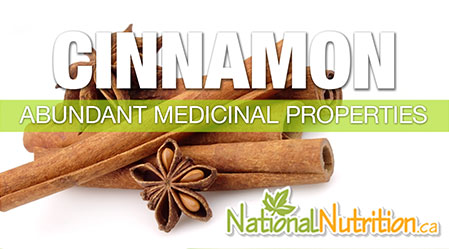
While cinnamon may be a tasty addition to your morning oatmeal or daily coffee, cinnamon also offers exceptional medicinal properties, making it as effective as it is delicious. Let's explore how cinnamon tea, powder and supplements can support your health.
Discover The Rich History of Cinnamon
The use of Cinnamon stems back to at least 500 BC, with Cinnamon verum coming from Sri Lanka and India, while Chinese cinnamon or cassia is cultivated in China, Indonesia and Vietnam. A cinnamon tree is a bushy evergreen that grows best in humid tropical forests. It has a reddish brown aromatic bark, which is eventually peeled off and removed from its outer covering, leaving an aromatic inner bark that is rolled together to form sticks (quills). The quills of true cinnamon (verum) and cassia are easily distinguished, but once powdered they are very hard to tell apart. In your typical grocery store or spice rack, you will most likely find the cassia form of cinnamon or commonly a mix of the two. Cassia is somewhat less expensive than the verum variety with basically identical pharmacological effects.
Top Health Benefits of Cinnamon Tea & Powder
Cinnamon is a great nutrient for digestive complaints, such as nausea, vomiting, abdominal cramping and diarrhea. It is also a go-to herb in terms of regulating blood sugar.
Blood Sugar Support
Research shows that Type II diabetics can lower their fasting serum glucose significantly using cinnamon in doses of as little as 1 g/day. Cinnamon was found to reduce serum triglycerides and both LDL and total cholesterol in this population, as well. This has particular significance to individuals with diabetes, as the combination of high triglycerides, high cholesterol and diabetes leaves them much more likely to develop Metabolic syndrome, which in turn can lead to serious conditions such as atherosclerosis and heart disease.
Antibacterial Properties For Cold & Flu Support
In addition to its properties as an anti-diabetic, anti-spasmodic and carminative, Cinnamon tea and powder supplements have both anti-fungal and antibacterial properties, as well. For this reason, it is used to treat colds and other respiratory infections. It is also a very warming herb. In terms of Chinese medicine, anyone suffering from cold or damp afflictions should increase their intake of herbs such as cinnamon and ginger – a great excuse to drink Chai tea!
Digestive Supporting Properties
As a digestive, cinnamon can have a great impact on the uncomfortable feelings that accompany IBS - especially the bloating. This is due to killing unhealthy bacteria healing infections that are present in the gastrointestinal tract and allowing the gastric juices to work normally.
Weight Loss Control
Some people believe that consuming cinnamon will make them lose weight. Currently, there is no evidence to support this theory. However, it is a "weight gain preventer". Coupled with a healthy diet and exercise, cinnamon tea may help to keep the pounds off.
This is because cinnamon is said to keep you feeling full which leads to eating less. It is a natural digestive meaning that the food you eat is digested properly and your body will not need more food to keep it going. Cinnamon increases blood sugar metabolism meaning that it breaks down sugar for absorption and turns it into energy making the body produce less fatty acids to store. Lastly, some research has shown that cinnamon can keep you focused, alert and in a better mood. When you have more energy, you are more likely to get the exercise you need to lose weight.
How To Take Cinnamon Tea or Powder As A Supplement
A typical dose of cinnamon, depending on the concern you are looking to treat, ranges from 1 – 4 g/day. Cinnamon can also be used as an essential oil, in which case the dose ranges from .05 -.2 g/day. It's always important to follow labelling directions on your supplement and follow the manufacturer's guidelines.
Potential Risks & Cautions To Consider
One important note when considering cinnamon as a supplement is the kind of cinnamon you're taking. Cassia is said to be safe during pregnancy, but verum is cautioned because high doses can potentially induce abortion.
Also, the essential oil should never be ingested, unless it's a food-grade oil. The oil is much more concentrated than the powder or tea and is commonly used for baking. The oil should be used with more caution and it is not recommended for use in pregnancy.


I bought this cinnamon hoping that would help with my diabetes. The flavor is delicious & I often use a light sprinkle on toast for breakfast. I must confess to a bad sugar addiction of course which is never good for a diabetic but with a little sprinkle on a small sweet I'm feeling a little less guilty.
Hello Carolyn,
Cinnamon is a great alternative and natural sweetener that doesn't spike blood sugar levels. We're happy it's been helping to keep your sweet tooth satisfied and it's very tasty too.
Keep healthy & carry on!
We use this everyday to help regulate our blood sugar. Have used it for years,
Hello Sharon,
Cinnamon makes for a great natural alternative to sugar and sweeteners and it's delicious. Adding it to baked goods or sprinkled on top of coffee, tea or lattes instead of adding sugar is tasty too.
Here's a recipe we think you'll enjoy:
https://www.nationalnutrition.ca/articles/healthy-recipes/apple-cinnamon-fiber-bar/
I use his daily in smoothies and in my brewed coffee
Hello, Sharon,
That sounds delicious. There are many great baking recipes where you can use cinnamon, discover them in our healthy recipe section: https://www.nationalnutrition.ca/articles/healthy-recipes/
Stay healthy and well!