

Zeaxanthin
-
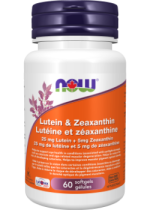
Support eye health in conditions associated with sunlight damage, such as cataracts and age-related macular degeneration with Lutein 25mg and Zeaxanthin 5mg from NOW. Acting as primary filters of high energy blue light, Lutein and Zeaxanthin help to promote normal visual health by protecting the eye against oxidative stress. NOW Lutein 25mg and Zeaxanthin 5mg is formulated to support normal rec...
+ Earn 25 Reward PointsSale: $25.49
Reg.: $36.50 (Save $11.01)
In Stock
Zeaxanthin Eye Benefits
Zeaxanthin is synthesized in plants and other microorganisms and is one of the most common carotenoids found in nature. It is the pigment responsible for many fruits and vegetables' vibrant red, orange, and yellow colours. In the body, carotenoids function like antioxidants that protect the body's cells and tissues from free-radical damage. Zeaxanthin is one of only two antioxidant carotenoids found naturally in the human eye, along with lutein. Together they are tasked with helping to shield the eyes from the harmful effects of oxidation and light-induced damage, including UV rays from the sun.
Because of their overlapping functions inside the body and because we can convert lutein into zeaxanthin, research typically looks at zeaxanthin and lutein together rather than individually. However, it's essential to know that each of these carotenoids is quite distinct. In fact, zeaxanthin is concentrated in the centre of the retina, while lutein is located primarily in the peripheral regions of the retina. Together, they form the eye's macular pigment and while they both offer robust antioxidant properties, zeaxanthin is the more effective antioxidant of the two.
Benefits of Zeaxanthin
- Diminishes Risk of Eye Disease
- Improves Brain Health
- Protects Against Age-Related Macular Degeneration
- Provides UV Protection for Eyes
- Reduces Oxidative Stress
Who Benefits From Zeaxanthin?
Zeaxanthin has potent antioxidant properties and is typically recommended to help reduce the risk of age-related macular degeneration, glaucoma, and cataracts. However, this supplementation isn't only for the aging population; it plays a vital role in eye development in fetuses and optimal vision during adolescence and young adulthood. A quality zeaxanthin supplement may also be suggested to reduce oxidative stress and damage in the eye by absorbing blue light, reducing inflammation, and mitigating the risk of eye disease. Indeed, research has shown that zeaxanthin can absorb up to 90% of blue light to protect the retina from light-induced damage.
Zeaxanthin Supplements
Zeaxanthin supplements may be purchased in isolated form or in various combination blends along with other antioxidants – most notably lutein, astaxanthin, curcumin, omega-3 fatty acids, and many others. These supplements typically come in capsules or softgels in an oil base and these may supply anywhere from 2 to 7 mg per dose. The recommended daily amount depends on the purpose for which you are using it. Always follow the dosing instructions on the label carefully, or speak to your health care provider for case-specific advice.
Final Thoughts
There are no known side effects or adverse interactions associated with the use of zeaxanthin, nor are there any known drug interactions. Zeaxanthin supplements are generally well-tolerated in doses of up to 10 mg daily for up to a year. Although harmless, those with fair complexions may develop a yellowish skin colour if supplementing in quantities above the 10 mg maximum daily recommended dose.
Back to Top ↑








