

Beta Carotene
-
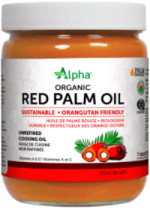
RED PALM OIL IS RICH IN BETA CAROTENE Alpha Pure Red Palm Oil is naturally reddish in color because it is the richest natural source of beta carotenes, about 30 times more than those found in carrots. Pure red palm oil is semi-solid at room temperature, and has a very distinctive taste and odor. It also contains powerful antioxidants that help to fight against aging effects and disease. Red P...
+ Earn 11 Reward PointsSale: $11.99
Reg.: $15.99 (Save $4.00)
In Stock
Beta Carotene Antioxidant Benefits
Did you know that beta carotene is a type of carotenoid found in plants and is the pigment responsible for the bright red, orange, and yellow colour of fruits and vegetables? It is also a powerful antioxidant that helps fight free radical damage throughout the body. It’s also known as provitamin A because the body needs to convert it to active vitamin A (retinol) – this is key because the body cannot synthesize its own vitamin A.
Conversion of beta carotene to vitamin A is an important metabolic pathway that takes place primarily in the liver and intestines, and which is genetically influenced, with an estimated 45% of people having difficulty with this critical conversion. When you consider how important vitamin A is to vision, for healthy eyes, healthy skin, and robust immunity, it becomes apparent that having an adequate intake of beta carotene daily is essential to protecting health.
These supplements have potent antioxidant activity and have been shown to help prevent chronic disease. They have also been shown to protect cells from free radical damage, so help prevent premature aging of cells and tissues, as well as help maintain cell integrity, and prevent cell degeneration.
Benefits of Beta Carotene
- Bolsters Cognitive Function
- Improves Respiratory Health
- Prevents Against Free Radical Damage
- Supports Eye Health and Protects Vision
Be Benefits From Beta Carotene?
Beta carotene neutralizes free radicals and plays a crucial role in preventing and controlling oxidative stress throughout the body, so protects all organ systems. Supplementation is used both in a preventative fashion, as well as for treatment purposes. Some of the conditions for which beta carotene is most often recommended include; protecting the health of the heart and brain, improving respiratory health and pulmonary function, helping to prevent the degeneration of vision, as well as to help prevent premature aging, and wrinkling of the skin, and enhance skin defence against damage caused by UV light.
Beta Carotene Supplements
Potencies
A typical recommended daily dose can be anywhere from 1.5 mg to 15 mg. This dose will vary depending on health status and the intended use.
Forms
These supplements are offered both from natural food sources, as well as synthetically made. Natural beta carotene sourced from D. salina sea algae contains a range of other antioxidant carotenoids, alpha-carotene, zeaxanthin, cryptoxanthin, and lutein, and is considered more bioavailable than synthetic forms of beta-carotene.
Formats
It's sold in a wide range of formats including tablets, capsules, softgels, as well as in liquid forms, ideally presented in a fat-soluble friendly oil base. This nutrient is also frequently added to multivitamin blends, antioxidant formulas, and vision health products, so make sure to read labels carefully to make sure you are cognizant of your total daily beta carotene intake.
Final Thoughts
Beta-carotene is a fat-soluble nutrient, so should be consumed with a fat-containing meal or snack to optimize absorption.
Some conditions may increase the need for vitamin A. These include chronic diarrhea, liver disease, malabsorption problems, pancreatic disease, cystic fibrosis, and chronic and degenerative conditions.
Back to Top ↑








