

Jojoba Oil
What Is Jojoba Oil?
Jojoba Oil is produced from the Simmondsia Chinensis plant seeds which is a shrub native to southern Arizona, southern California, and northwestern Mexico. In the 18th century, Native Americans would ground Jojoba seeds into a salve to treat sores and wounds and condition hair and skin. You may be surprised to know that jojoba oil isn't actually an oil at all, but rather, a wax, and is composed of almost 98% pure wax. Read more >-

Organic Jojoba Oil from NOW® Solutions is ideal for those in need of healthier looking hair, softer feeling skin, or an oil for general bath care and massage. Pure, Organic Jojoba Oil is derived from the seed of the jojoba (Simmondsia chinensis) shrub and is one of the most popular cosmetic oils available today. Its high stability, invigorating scent and cosmetic versatility make it ideal for a...
+ Earn 21 Reward PointsSale: $21.99
Reg.: $31.42 (Save $9.43)
In Stock -
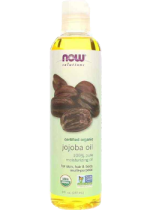
Organic Jojoba Oil from NOW® Solutions is ideal for those in need of healthier looking hair, softer feeling skin, or an oil for general bath care and massage. Pure, Organic Jojoba Oil is derived from the seed of the jojoba (Simmondsia chinensis) shrub and is one of the most popular cosmetic oils available today. Its high stability, invigorating scent and cosmetic versatility make it ideal for a...
+ Earn 38 Reward PointsSale: $38.99
Reg.: $56.08 (Save $17.09)
In Stock
Jojoba Oil Benefits
Jojoba oil is produced from the Simmondsia chinensis plant seeds which is a shrub native to southern Arizona, southern California, and northwestern Mexico. In the 18th century, Native Americans would ground Jojoba seeds into a salve to treat sores and wounds and condition hair and skin. You may be surprised to know that this oil isn't actually an oil at all, but rather, a wax, and is composed of almost 98% pure wax. Interestingly, jojoba oil is known for having a chemical composition resembling sebum, an oily/waxy substance produced by the body’s sebaceous glands.
From a biochemical standpoint, jojoba oil is extremely rich in vitamin E, the full family of B vitamins, and silicon, chromium, copper, and zinc. It also contains a very high percentage of iodine – 82% to be exact, which explains this oil's solid reputation as a healing agent. Last but certainly not least, this oil is rich in fatty acids, including erucic acid, oleic acid, and, most notably, gadoleic acid. Its unique nutrient-rich and fatty composition are what makes jojoba oil so ideally suited for hydrating, cleansing, and controlling oil production in the skin. It can also dramatically improve the look and feel of skin, hair, and nails and reduce the look of fine lines and wrinkles.
Benefits Of Jojoba Oil
- Anti-Aging
- Anti-Microbial
- Balances Oil Production
- Highly Nutritious – Feeds Skin
- Moisturizes Skin – Mimics The Action Of Our Own Natural Oils
- Soothes Dry, Itchy, Irritated Skin
Common Uses For Jojoba Oil
This oil is lighter than other face oils yet can deeply penetrate the skin to soothe and soften while providing an excellent moisturizing effect and a healthy glow. Another advantage of jojoba oil is that because it closely resembles the natural oils in our skin, it controls oil production and helps prevent breakouts. This oil is also frequently used to rejuvenate dull-looking hair by regulating the scalp's oil production, providing much-needed hydration and taming stubborn dandruff. It is also wonderful to moisturize dry cuticles and promote nail health.
Jojoba oil is considered hypoallergenic; thus, can be used by those with all skin types, including those with acne-prone skin, as it isn't comedogenic.
Another exciting application for this oil is as a first-rate carrier oil for essential oils in aromatherapy. It can be used safely and effectively in all sorts of DIY cosmetics recipes.
Final Thoughts
You'll likely come across a few options when shopping for this oil. Look for 100% Pure Cold Pressed Jojoba (or Virgin Jojoba Oil or Cold Pressed Golden Jojoba), which should be a clear golden colour. This is the finest grade of jojoba oil. These oils that have a greenish colour have been produced from immature seeds and are inferior in quality. Other jojoba oils to avoid are so-called "winterized jojoba," which isn't pure jojoba, and "lite jojoba," a bleached form of jojoba.
100% pure, cold-pressed jojoba oil does not break down or become rancid, so it has a lot longer shelf-life than most other cosmetic and/or vegetable oils, making it a great value.
Back to Top ↑








