

Pine Oil
What Is Pine Oil?
Pine oil (or pine nut oil) comes from the needles and cones of several coniferous trees belonging to the Pinus genus of the family Pinaceae, which comprises roughly 120 to 140 species. In turn, these species are classified into 3 sub-categories based on the characteristics of their cones, leaves, and seeds. Pine oil used in aromatherapy typically comes from Pinus sylvestris (also known as Scots pine). It offers a robust, woodsy, refreshing aroma that can be somewhat overpowering, so a little goes a long way. Read more >-
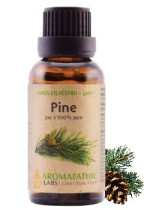
Aromapathic Labs Pine oil is made from the needles and twigs of the pine tree. After harvesting, the needles and twigs are crushed and steam distilled, giving us the sharp, aromatic and woodsy scent of a high quality pine oil. Essential oils need to be mixed with a carrier oil for topical application, simply mix 12 drops of this pure Hungarian pine oil to every 30ml of your favourite carrier oi...
+ Earn 7 Reward PointsSale: $7.99
Reg.: $10.99 (Save $3.00)
Out of Stock
Get Notified When in Stock
-
Aromapathic Labs Pine oil is made from the needles and twigs of the pine tree. After harvesting, the needles and twigs are crushed and steam distilled, giving us the sharp, aromatic and woodsy scent of a high quality pine oil. Essential oils need to be mixed with a carrier oil for topical application, simply mix 12 drops of this pure Hungarian pine oil to every 30ml of your favourite carrier oi...
+ Earn 17 Reward PointsSale: $17.99
Reg.: $21.99 (Save $4.00)
Out of Stock
Get Notified When in Stock
Pine Oil Benefits
Pine oil (or pine nut oil) comes from the needles and cones of several coniferous trees belonging to the Pinus genus of the family Pinaceae, which comprises roughly 120 to 140 species. In turn, these species are classified into 3 sub-categories based on the characteristics of their cones, leaves, and seeds. This oil used in aromatherapy typically comes from Pinus sylvestris (also known as Scots pine). It offers a robust, woodsy, refreshing aroma that can be somewhat overpowering, so a little goes a long way.
Pine has long been a staple of folk medicine, where it was used to treat a wide range of respiratory, muscular, and joint conditions. In fact, there is a record of Native Americans using pine oil to help everything from bronchial and respiratory infections to coughs, colds, fevers, and joint pain (rheumatism). It has also long been used in fragrances, air fresheners, disinfectants, and household cleaning products thanks to its potent antibacterial, disinfectant, and air-purifying properties. Today, pine remains one of the most popular essential oils in aromatherapy and is used in myriad therapeutic applications.
Benefits of Pine Essential Oil
- Down-regulates Inflammation
- Freshens & Purifies The Air
- Kills Bacteria, Fungi, Yeasts and Other Pathogens
- Relieves Coughs & Colds, and Flu Symptoms
- Soothes Aches & Pains
Therapeutic Properties of Pine Essential Oil
Pine oil is a close relative of the eucalyptus plant species, which both have uplifting and clearing scents and, unsurprisingly, offer many of the same medicinal benefits. This oil is nervine and calmative, which promotes relaxation. It can be used in diffused form to help clear a stuffy nose and other cold and flu symptoms. It can also be effectively used in massage (diluted in a carrier oil) to soothe muscular aches and pains, arthritis, and rheumatism, and relieve fluid retention and edema. Pine is also an excellent addition to soaps, sprays, and household disinfecting blends if you make your own natural cleaning products.
Using Essential Oils
Pine oil is considered a top note (the initial scent that lures you in and gives you your first impression of the fragrance). As such, pine blends exceptionally well with other robust scents such as cypress, cedar, citronella, juniper berry, lavender, lemongrass, marjoram, peppermint, rosemary, sandalwood, spearmint, and citrus in general.
While generally well-tolerated, some people may be allergic to pine pollen or exhibit hypersensitivity to the oil. If you develop allergy-like symptoms, such as sneezing, hives, skin rash or redness, itchiness, swelling, or peeling skin, discontinue use.
Back to Top ↑








