

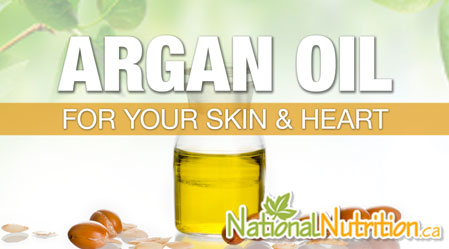
Argan oil is a nutrient-rich botanical oil traditionally used to nourish hair, moisturizer skin, and support overall wellness.
Using Argan Oil for Hair and Skin
Updated Jul. 21st, 2026 | Read Time: 4 Minutes | What You Will Learn:
- What is Argan Oil?
- Benefits of Argan Oil
- Argan for Hair and Skin
- Argan Oil and Cardiovascular Disease
- How Do I Take Argan Oil?
- Important Information
- Argan Oil FAQs
- Nutritional Information
- Reader Comments (4)
What is Argan Oil?
Manufacturers extract argan oil from the kernels of Morocco's argan tree. Traditionally, people used this oil as a bread dip and salad dressing. They also applied it to help support healthy skin. It contains high vitamin E (tocopherols), carotenes, antioxidants, and essential fatty acids.
Depending on the extraction method, it may also be more resistant to oxidation than even olive oil (an oil renowned for its relative stability). Argan oil remains popular in hair and skincare products. Researchers have also studied this oil for its potential cardiovascular benefits.
What Are The Benefits of Argan Oil?
Argan for Hair and Skin
Argan oil contains oleic acid, palmitic acid, and linoleic acid, all of which are beneficial for the skin. It is also a good source of vitamin E (tocopherols) as well as other antioxidants, such as ferulic acid. Because of this, this oil has gained popularity in cosmetic uses to benefit dry skin and prevent the visible signs of aging caused by free-radical damage. Oral argan oil may provide similar benefits to topical use. It may also offer additional cardiovascular support.
Argan is also helpful for hair growth. Its rich fatty acid content helps moisturize the scalp and the hair shaft. Its rich antioxidants can promote a healthy scalp and offer some antifungal properties. There is some emerging evidence that it could also help to prevent damage as a result of heat styling or hair colouring due to its rich content of linoleic and oleic acids.
Argan Oil and Cardiovascular Disease
Reserarch suggests argan oil may help reduce cardiovascular disease risk factors. Studies also indicate it may support healthy blood vessels and help reduce atherosclerosis risk. Research examining the effects of supplementation found that people taking this oil had higher vitamin E levels, approximately 10% lower total and LDL (bad) cholesterol, and nearly 12% lowered triglycerides. Studies involving people with type 2 diabetes and dyslipidemia found lasting antioxidant effects from argan oil. These effects continued after supplementation ended. The alteration of blood lipid profiles and the increase in antioxidant status both work together to help prevent atherosclerosis and resulting cardiovascular disease.
How Do I Take Argan Oil?
Argan is available by itself or in combination with several supplements. Manufacturers include this oil in many cosmetic and skincare products. Pure argan oil naturally moisturizes both skin and hair. There is no recommended dose for topical use.
The current recommended dose for ingestion is 1-2 Tablespoons daily.
Important Information
This oil is high in oleic acid, which is comedogenic and may clog the pores when used topically. Researchers have not established the safety of oral argan oil during pregnancy or breastfeeding. Avoid oral supplementation during these stages unless advised by a healthcare provider.
Argan Oil FAQs
1. What is Argan Oil?
This is an oil extracted from the kernels of the argan tree, which is found in Morocco. The oil is most often used topically to promote hair and skin health, but can also be taken orally.
2. How does Argan Oil work?
The oil is high in vitamin E and antioxidants like ferulic acid. Because of its high antioxidants and fatty acids, the oil is beneficial for encouraging hair growth and preventing skin dryness.
3. How to use Argan on hair?
You can use this oil for hair as a hair mask to moisturize and strengthen the hair shaft. Simply massage up to 10 drops of the oil into your hair and let it sit for at least an hour (or overnight). The next morning, shampoo and condition your hair as you normally would, and style.
4. How to use Argan Oil on skin?
Argan can be used topically as a skin moisturizer.
5. Where to buy Argan Oil?
You can find the oil at most health food stores.













I had not heard about Argan Oil until last weekend when I was talking to my hair stylist and she told me that it is great to use if you have tangled or matted hair that you can't get untangled... It seems to be very useful for many things. I did not know that it could be taken internally for health issues. I was only aware that it could be used on your hair. It can be used often to help keep your hair soft and help with split ends as well. I would love to learn more about Argan Oil and the benefits of using it, are there anymore articles that I can read to learn more about it?
Hello Burniece,
We're glad you have found our article and learned more about Argan oil. It's an excellent oil for hair and skin; if ingesting oils, they must be food grade and not intended for aromatherapy uses. It can be used alone or mixed with other oils to add more benefits. Here's our article on hair health where you can learn about more supplements that support a healthy mane.
https://www.nationalnutrition.ca/articles/health-concerns/hair-health/
Stay healthy & well.
I've heard the benefits of argan oil for the skin often touted and seen argan skin products in malls, online, in beauty shops, etc. I did not realize that argan had another big (and perhaps functionally more important) benefit! It is great to learn that argan has become generally accepted in the literature as an agent that reduces cardiovascular disease risk, and can also be be used to prevent risk factors for atherosclerosis: elevating vitamin E levels, lowering LDL, and also lowering triglycerides. Of course, this is ingested argan, not skin cream argan! And it is awesome tht argan even has been shown to benefit type II diabetics with dyslipidemia with its antioxidant effects. I learned quite a bit about argan today :)
Hello Rachel,
It's great to hear you could learn about the multitude of benefits organ oil has to offer beyond skin health. While this oil is great to apply topically to the hair and skin, when a food grade product is ingested, it have a great impact on your health. Thank you for learning with us. Castor is another great oil with a magnitude of benefits we think you'll enjoy learning about, https://www.nationalnutrition.ca/articles/supplements/castor-oil/
Happy learning!