

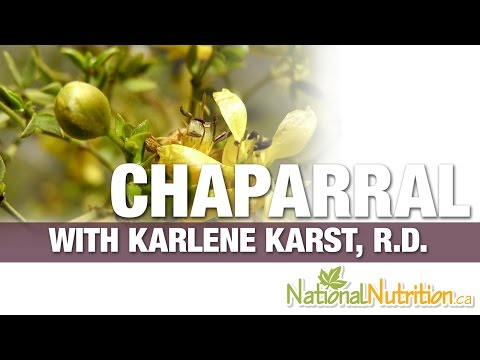
Chaparral As A Health Supplement
Updated Jul. 22nd, 2024 | Read Time: 2 Minutes | What You Will Learn:
- Key Health Benefits of Chaparral
- Types of Chaparral Supplements
- Potential Cautions & Contraindications
- Nutritional Information
- Reader Comments (6)
Chaparral is an herb that has been used traditionally by Native North Americans for many years. It is a powerful herb that's best used with caution and for short periods. It has powerful anti-viral activities that have been studied for their ability to eliminate difficult-to-treat viruses.
Key Health Benefits of Chaparral
Some manufacturers claim chaparral can decrease the viral load significantly so that no trace of the virus remains in the body. This claim is unique amongst natural health products and most pharmaceutical medications, which usually only claim to reduce viral load or outbreaks.
Chaparral may also support healthy cell growth and division. It inhibits unhealthy cell replication and prevents cells from properly using fats and proteins, thus leading to the death of unhealthy cells. This inhibition effect is also seen in normal cells, which is why this herb can be toxic to the body.
Topically, it has traditionally been used to heal wounds caused by sunburn and radiation treatments.
Chaparral is also an antioxidant which helps diminish free radicals in your body. Free radicals are unstable molecules that in their bid to become more stable, must bump into healthy cells and cause damage. Chaparral’s antioxidant properties neutralize free radicals. It may be recommended to protect healthy cells during heavy metal detoxification.
Types of Chaparral Supplements
Chaparral is most safely purchased as a proprietary extract from various manufacturers, like Virox. Some manufacturers have done extensive clinical studies on the effects of their products and the appropriate dosing regimens, decreasing the risk of side effects.
Dried chaparral leaves can be made into a tea or purchased in tincture form. However, these products are not tested for their chemical constituents, which increases the risk associated with their use.
When using this topically for skin conditions, dilute any alcohol-based formulas to avoid skin irritation or make a tea and apply it to the affected area.
Potential Cautions & Contraindications
Due to chaparral’s long list of cautions and contraindications, it is advisable to use this herb under the guidance of a health professional.
Prolonged use or high doses of chaparral have been noted to cause liver and kidney toxicity in humans. Those with liver or kidney disease should not use this supplement. Chaparral inhibits cell replication and should not be used by pregnant women. The chemical components of this herb are transferred into breast milk, making chaparral contraindicated for nursing mothers.
Allergic reactions to this herb have been noted from both topical and internal use.














Thank you for such an informative article!
I love taking natural health products for my health needs. I have HSV and am always looking for new remedies that may help, thank you!
Hello Brayan,
We're glad the knowledge from our article has helped you take charge of your health naturally. Thank you for your comment and we hope these remedies have helped.
Stay healthy & well.
This is a great article. I'm always looking for ways to improve my health and ailments.
I never heard of chaparral until your article, National Nutrition but wow, I am glad that I learned because it sounds like such a powerhouse herb: as a microbiologist, I can confirm that the claim to decrease the viral load so significantly that no trace of the virus remains in the body is remarkable if true or even mostly true. I will have to ask some of my colleagues if they've encountered chaparral in their work/reading and do some research on my own. Thank you for the brain worm! :)
Hello Rachel,
We’re glad you enjoyed this article. Chaparral is definitely a powerhouse herb! Thank you for sharing your favourite points in this article.
Stay healthy & well!