

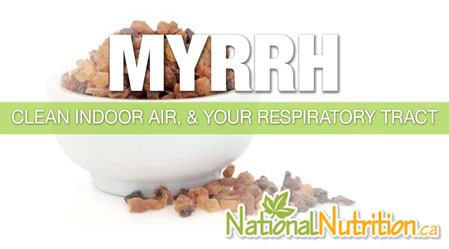
Burning myrrh can clean indoor air, as well as your respiratory tract!
Myrrh
Updated Jul. 26th, 2024 | Read Time: 2 Minutes | What You Will Learn:
- Key Advantages of Myrrh
- Shopping For Quality Myrrh Oil
- Potential Side Effects & Insights
- Nutritional Information
- Reader Comments (2)
Myrrh is an ancient incense and has long been used as a deodorizer and disinfectant. As an essential oil, it has a long history dating back to being one of the gifts brought to Jesus by the Wisemen. As an oil, it is known for its grounding properties and for its skin benefits like alleviating inflammation and supporting symptoms associated with dermatitis. Let's further explore how myrrh is used.
Key Advantages of Myrrh
As mentioned, an oil, myrrh has great properties that benefit the skin and fight inflammation when diluted and applied topically. As an herb, it is found in dental products because it can kill microbes in the mouth while healing damaged mouth tissue.
When the vapour of myrrh oil is inhaled, it can cleanse the respiratory tract, minimize mucus secretions and speed tissue healing. It is recommended by natural health practitioners for a variety of conditions including:
- Toothache & dental infections when used an ingredient in toothpaste
- Bad breath when found on toothpaste label
- Ease bronchitis and sinusitis
- Clean indoor air
Shopping For Quality Myrrh Oil
Myrrh can be purchased as a resin, resinous powder or tincture. It can be found in dental powders. Keep in mind that myrrh does not dissolve in water. Oils (olive, almond, etc.) can be used to make a diluted product. It is usually used on the skin, as an ingredient in mouthwash or as an inhalation. It is never used for internal consumption due to its strength and the risk of inflaming the digestive tract.
Potential Side Effects & Insights
It is believed to increase body temperature and should not be used if you have a fever or acute inflammation. It may be abortifacient by inducing menstrual bleeding.












