

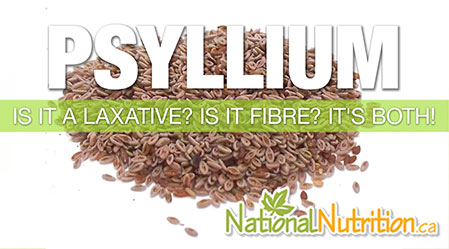
Psyllium tends to have less gas and bloating effects than similar products such as bran.
Psyllium Benefits & More
Updated Jan. 27th, 2026 | Read Time: 2 Minutes | What You Will Learn:
- What is Psyllium?
- Health Benefits of Psyllium
- Shopping For Psyllium Supplements
- Important Considerations
- Nutritional Information
- Reader Comments (7)
Psyllium has long been valued for its role in supporting digestive health and overall wellness. This gentle, plant-based nutrient helps promote regularity, healthy cholesterol levels, and balance blood sugar. In this article we delve into its health benefits and supplement varieties you can incorporate into your daily routine.
What is Psyllium?
Psyllium is extracted from the husks and seeds of several plantago species of plants. It contains mucilage, a gelatinous substance that acts as an intestinal regulator, providing bulk to the stool, which slows diarrhea, as well as initiating a defecation reflex in those suffering from constipation.
Health Benefits of Psyllium
Psyllium is a source of soluble fibre and as such, it has been shown to slow the absorption of sugar, making it a staple for diabetics. Incorporating soluble fibre into your diet prevents dangerous spikes in sugar levels after meals. As a source of soluble fibre, it also binds excess cholesterol, prevents its absorption and aids in its elimination. Many cholesterol lowering agents that lower "bad" cholesterol (LDL, VLDL) have the same effect on "good" cholesterol (HDL). Psyllium is one of the few substances that does not have a detrimental effect on HDL, while lowering LDL cholesterol levels. The FDA has recognized it as an herb that reduces cholesterol, therefore also reducing the risk of heart disease, still the leading cause of death in Canada and United States.
Psyllium is not digested, but stimulates digestive processes through purely mechanical means. In the intestines, it creates a large, soft, slimy mass (sounds yummy, right?) that travels through the intestines triggering contractions, coating the walls, slowing digestion and therefore regulating the rate of absorption. It is these effects that make it an excellent complimentary treatment for hemorrhoids (often caused or worsened by constipation), IBD, high cholesterol, diabetes, high blood pressure, obesity and heart disease.
Shopping For Psyllium Supplements
Psyllium tends to have less gas and bloating effects than similar products, including bran. Recommended dosages vary greatly, but in general for any concern, a dose of 7 – 30 g/day is adequate. It is very important to increase your water and fluid intake at the same time as increasing your psyllium intake, to avoid painful and dangerous bowel obstructions.
Important Considerations
Allergies are possible, so be cautious if using for the first time. Rash, hives, difficulty breathing or anaphylaxis can develop in sensitive individuals. Diabetics taking insulin medication as well as psyllium should monitor their blood sugar regularly, as regular psyllium intake may require a lower dosage of medication. It is advised that psyllium be taken at least 1 hour away from supplements and prescription medication to avoid a possible decrease in absorption that delayed gastric emptying may cause.













This is a sure fired speedy winner to fix diarrhea problems. Wouldn’t be without it!!!,
Hello Sharon,
Psyllium is a great source of soluble fibre and is a great intestinal regulator. Most North Americans aren't getting enough fibre in their diet alone. We're glad to hear this supplement has been helping you. Learn more about how fibre is good for your health in this article here:
https://www.nationalnutrition.ca/articles/supplements/fiber/
This is the first thing that I do every morning to keep ybowels regulated,,!!!!
Hello, Sharon, thank you for sharing. Psyllium is an excellent source of fibre, which most North Americans are lacking in their daily diet. Fibre is great for digestive health and keeping you regular. If you'd like to learn more about supporting digestive health, check out this article: https://www.nationalnutrition.ca/articles/health-concerns/digestive-health/
This is the first thing that I do every morning to keep my bowels regulated!!!!
Pysllium is a fabulous source of fiber. I almost forgot that psyllium stimulates digestive processes through purely mechanical means. Thank you for this reminder! Also, I don't recal hearing about psyllium seeds before. I wonder why I haven't: is it because the shell is tough and fiberous so it is easier to consume the psyllium in a powder? Also, that is a pretty large dose range and it makes sense why one would want to not take psyllium with other supplements: it really clears out the system!!
Hello Rachel,
Indeed it is! Fibre is a nutrient that many people in North America could use as most don't get enough. We're glad you enjoyed learning about psyllium as a digestive promoting nutrient and thank you for your comment. If you'd like to learn more about natural fibre sources, read through this article: https://www.nationalnutrition.ca/articles/supplements/fiber/