

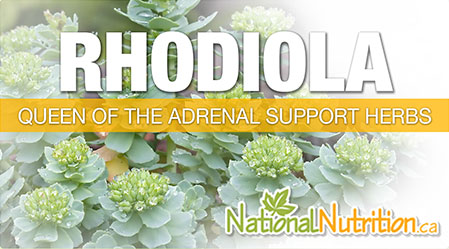
Rhodiola grows in cold mountainous regions, from the mountains of Central Asia, the Rockies, the Pyrenees, to Ireland.
Rhodiola Rosea
Updated Jan. 29th, 2026 | Read Time: 4 Minutes | What You Will Learn:
- What is Rhodiola?
- What is Rhodiola Used For and How Does it Work?
- Stress Balance
- Blood Sugar Balance
- Cardiovascular Health
- Mood and Cognitive Function
- Taking Rhodiola Supplements
- Nutritional Information
- Reader Comments (4)
What is Rhodiola?
Rhodiola is an adaptogenic herb which means it supports you under stress. It helps balance adrenal function, fatigue, cardiovascular function, blood sugar, mood, and cognitive function.
There are over 50 species of Rhodiola. One species has received much attention called Rhodiola rosea. Rhodiola rosea grows throughout mountainous cold regions in the higher altitude and elevations of the Northern hemisphere. Its fragrant roots have been used medicinally for centuries by cultures throughout the Northern hemisphere.
Similar to Ginsengs, Rhodiola helps you maintain balance and health.
What is Rhodiola Used For and How Does it Work?
Stress Balance
Adrenal glands are in charge of numerous functions in your body. Coping with stress is one of them. Under stress, physical, mental or emotional, your adrenal glands secrete the hormones, adrenaline and cortisol. These hormones stimulate circulation, heart rate, increase blood sugar and give you energy to mount to the challenge at hand.
Your adrenal glands are part of a greater system called your Hypothalamic Pituitary Adrenal Axis (HPS). This is a neuroendocrine pathway that specifically connects your hypothalamus and pituitary gland in your brain to your adrenals glands. So when you are under stress your brain tells your adrenal glands to increase adrenaline and cortisol secretion.
The problem is we, as a culture, live pretty stressful lives so our adrenal glands are constantly secreting these hormones. Your body can handle this for a period of time without adverse effects. But after repeated acute or chronic exposure to stress your HPS system becomes less responsive to keep up the pace. Your adrenals glands then decrease secretion of these hormones and your ability to cope with stress becomes compromised. This means that you won’t have the same energy, focus or coping ability when you need it.
Blood Sugar Balance
Another example of the adaptive balancing effect of Rhodiola is it helps to balance blood sugar levels. One key component called Salidrosides has been found to prevent excessive blood sugar levels. Studies show that after an injection of adrenaline, which normally causes blood sugar levels to rise, blood sugar levels remain steady. Salidrosides have been shown to also prevent blood sugar levels from falling too low after an injection of insulin. Overall this means that when taking Rhodiola your blood sugar levels will remain more balanced, which reduces your risk of becoming diabetic and insulin resistant.
Cardiovascular Health
Another example of Rhodiola functioning as an adaptogen is its ability to protect your heart from stress. When lab animals are subjected to extreme cold or to high doses of the stress hormone adrenaline, the regularity of their heart rate is disrupted and the oxygen supply is temporarily cut off. This causes an overall increase in heart rate called tachycardia and an irregular heart rate called an arrhythmia. But animals failed to produce these signs of heart stress when given regular doses of Rhodiola. Rhodiola furthermore increased circulation and reduced damage to the muscle cells of the heart. It also balanced the overflow of negative neurotransmitters normally associated with these stressors.
Mood and Cognitive Function
Rhodiola can improve mood and your ability to focus and think clearly. It’s well documented that Rhodiola has a direct effect on a variety of neurotransmitters, one of which is serotonin, responsible for a feeling of happiness and well being.
Laboratory studies show that Rhodiola enhances the transport of the serotonin raw materials, tryptophan and 5-hydroxytryptophan (5-HTP), across the blood-brain barrier. Increased levels of these amino acids allow for more serotonin to be made in your brain. Rhodiola also decreases the action of the serotonin-degrading catechol-O-methyltransferase (COMT) enzyme. This means serotonin can remain active longer stimulating you to feel more focused and happy longer. This is similar to how a class of anti-depressants work called SSRIs.
Rhodiola also boosts brain levels of other neurotransmitters, dopamine, acetylcholine, and norepinephrine, all of which are key neurotransmitters targeted by major classes of antidepressant drugs.
By positively affecting these neurotransmitters, Rhodiola demonstrates improvements in symptoms like depression, exhaustion, decreased motivation, daytime sleepiness, sleep disturbances, concentration deficiencies, forgetfulness, susceptibility to stress and irritability.
Taking Rhodiola Supplements
Rhodiola comes in liquid or capsule forms. It can be taken for long periods of time without negative side effects. It is particularly beneficial for those who have stressful jobs, are students, are shift workers, who are athletes, who have blood sugar issues and who have cardiovascular disease.














Wow, I didn't know there were over 50 types of rhodiola. I can't believe it has so many uses and functions. I'll definitely try it for stress, I've felt very stressed lately. So glad I found this article so I can better support my health.
Hello Toby,
Excellent, we love hearing how our articles help empower you to support your health, naturally. Thank you for sharing and stay healthy & well!
Firstly, I didn't know that Rhodiola roots can be fragrant: that's so cool! Second, I knew that there were at least a few species of Rhodiola out there but I did not know that in fact, there are over 50 species of Rhodiola! I wonder, are some varieties of Rhodiola relatively underappreciated and hav benefits yet to be revealede by modern science? (I sure bet that the answer to this question is "yes!")
Anyway, wow!: Rhodiola rosea really is remarkable from all the potential benefits that you list. I am curious if as with wild blueberries, having to grow in harsh conditions (eg mountainous terrain of cold regions in higher altitude and elevations) causes Rhodiola Rosea to need to produce more antioxidants for its own survival...which ultimatly contribute to its health-promoting effects(?) Anyway, great article!:thank you for helping me learn about the Queen of Herbs
Hello Rachel,
Excellent, we enjoy your comments and thoughts that our articles provoke. We're glad we can help broaden your horizons on natural health and discover new herbs!
Have a healthy day