

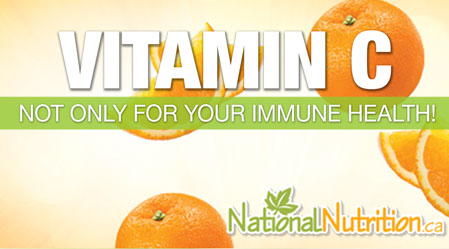
Citrus fruits contain high levels of Vitamin C
Vitamin C
Updated Mar. 06th, 2026 | Read Time: 5 Minutes | What You Will Learn:
- The Low-Down on Vitamin C
- Key Health Benefits of Vitamin C
- Collagen, Baby!
- Protect Your Heart
- Healthy Cell Growth Support
- Immune Health
- Symptoms of Deficiency
- Different Types of Vitamin C
- Important Information
- Nutritional Information
- Reader Comments (14)
The Low-Down on Vitamin C
Vitamin C is a water-soluble vitamin that is not stored within the body. Humans cannot manufacture their own vitamin C, either, meaning it must be taken in through diet and supplementation. This vitamin is the most widely used supplement. It is recommended that this vitamin be taken in divided doses throughout the day, as excess is lost in urine within a few hours of ingestion.
Vitamin C can be found in an abundant number of fruits and vegetables, including:
- Citrus fruits
- Cantaloupe, Mango, Papaya & Pineapple
- Berries
- Leafy Greens, Broccoli & Brussels Sprouts
- Cauliflower
- Sweet Potatoes
- Red and green peppers, Tomato/tomato juice, and Squash
This vitamin is sensitive to heat, so it is recommended to eat these foods raw or only lightly cooked.
Key Health Benefits of Vitamin C
Collagen, Baby!
This vitamin is essential for the production of a protein called collagen, which in turn plays an integral role in the formation of cartilage, tendons, ligaments, blood vessels, and skin. As such, this vitamin is necessary for the fast and effective healing of wounds and injuries to these areas, all over the body. It promotes less visible scarring during healing, as the body is only able to form new tissue with the help of this vitamin. Along with calcium, vitamin C also helps to repair and maintain bones and teeth.
Protect Your Heart
The role that this vitamin has in heart health can be summed up in one word. Protection. Studies have shown that this vitamin can protect the arteries of the body (remember, collagen plays a role here, as well) against damage. Being high in antioxidants, it has been shown to slow the progression of atherosclerosis. Research does not support claims that this vitamin can lower cholesterol in itself, but it does support findings that suggest it can reduce the damage or buildup of LDL (bad cholesterol) plaques within the blood vessels. Individuals with low levels of this vitamin have an increased risk of stroke, heart attack and peripheral artery disease. Individuals with diets high in antioxidants, such as those high in vitamin C-rich foods, are also at a decreased risk of developing high blood pressure.
Healthy Cell Growth Support
Diets rich in this vitamin have also been associated with decreased risk of developing unhealthy cells. Although high doses of this vitamin as a treatment for mutated cell growth are controversial, research and support seem to be growing for the administration of high-dose vitamin C intravenously. Vitamin C, in this form, has been shown to be selectively toxic to certain mutated cells. Some beneficial interactions with chemotherapy have also been observed, mainly increased tolerability.
Immune Health
Some practitioners swear by this vitamin for its treatment of cold, flu and other viral infections. The truth is, there is little research to support the use of this vitamin as a CURE for the common cold. That being said, studies do support its ongoing intake as a means to reduce the chance of complications due to cold (pneumonia, bronchitis, etc.), as well as help decrease the severity and duration of cold. Because this vitamin is depleted with stress, there is also evidence to suggest it may be beneficial for the prevention and treatment of stress related immune deficiencies.
The list goes on…
This vitamin has also been used for the treatment of the following conditions:
- Macular degeneration
- Asthma
- Allergies
- Gingivitis
- Visible Signs of Aging
- Preeclampsia
- Inflammation
Symptoms of Deficiency
Severe deficiency of this vitamin is rare, but low levels are becoming more and more common. Signs and symptoms include poor wound healing, easy bruising, nose bleeds, rough/dry/scaly skin, and dry, splitting hair, gingivitis and decreased immunity. These symptoms can get quite severe, with extreme deficiency known as scurvy. Cigarette smoking can seriously lower levels of this vitamin. These individuals must compensate through diet or supplementation. Stress, physical and mental/emotional, can also deplete vitamin C levels, as can some medications, including Non-Steroidal Anti-Inflammatories (NSAIDs).
Different Types of Vitamin C
There are several types of this vitamin. Ascorbic acid is the basic form. To buffer the natural acidity of vitamin C, manufacturers bind it to other molecules. Two examples are calcium ascorbate (Ester-C) and ascorbyl palmitate. It also makes vitamin C easier for the body to absorb and decreases the loss of the vitamin through the urine. This increases the cost of the supplement, but it is beneficial to those taking high doses of this vitamin, those who cannot tolerate acidic substances, and those with compromised absorption or digestive processes.
This vitamin comes in a variety of dosage forms, including conventional capsules, time-released caps/tablets, syrups, powders and chewable tablets. A qualified practitioner can administer it intravenously. This vitamin is usually derived from corn or dextrose, but tapioca-sourced C is also available. This vitamin is often combined with bioflavonoids, like hesperidin and rutin. These substances work synergistically with this vitamin. Rose hips are a good substitute for straight vitamin C because they are the richest natural source of this vitamin. Rose hips are also a good source of bioflavonoids.
Important Information
Vitamin C needs are increased if you use oral contraceptives, antidepressants, analgesics, anticoagulants, steroids or alcohol. Cooking, light, oxygen, tobacco smoke and carbon monoxide destroy this vitamin, impacting internal levels.
Vitamin C supplements should be taken away from ginseng. Some diabetic medications and sulfa drugs may be less effective when taken with vitamin C. Individuals with hemochromatosis should not supplement with vitamin C.
High oral doses, usually over 2000 mg, can cause some abdominal cramping and diarrhea. Speak with your doctor before supplementing with this vitamin if undergoing conventional cancer treatments. This vitamin can interfere with some blood work, including glucose levels, causing false readings.














I have been taking Vitamin C, the Ester C version for many years and it has helped me in many ways. The article here is good and suggests the many benefits of Vitamin C. I find Ester C is gentler on the stomach and works better. I buy the SISU brand from National Nutrition which has duos on special very often. Great brand, great place to shop.
Hello Roger,
Indeed, vitamin C is a staple supplement for many as it helps overall health. Many are surprised at vitamin C's role in skin health and collagen boosting. Finding the right type of vitamin C is important as like you, some do find some varieties to be stronger. We're glad you're enjoying our articles and if you'd like to learn more about immune support, check out this article as well:
https://www.nationalnutrition.ca/articles/health-concerns/immune-system/
Stay healthy & well
I didn't realize that Vitamin C was good for stress, I love that! I try to take it as often as I can and I was also under the impression that it may help with preventing colds, but reading this made me realize that it can help the duration and severity of colds which is such a bonus! I love that it has so many benefits to it and I personally enjoy the tablets that fizz in your drink, it is like a fuzzy juice! Thanks for sharing, this is a very helpful article, especially during cold and flu season! I hope everyone stays healthy!
Hello,
Vitamin C is a powerhouse vitamin. It has many more benefits than immune support alone. It is loaded with antioxidants, supports skin health and works with collagen to keep skin looking radiant and plump and it has cardiovascular benefits as well. Definitely worth taking daily. The liposomal form of vitamin C is the best absorbed and a high dose powder is also beneficial if you need help increasing your water intake.
Stay healthy!
Sometimes it is not possible to achieve a good daily dose of Vitamin C simply from food and meals. Supplements in the form of powdered fruits are an easily added source of Vitamin C. These sources are still from food, and can just be added to water or herbal tea. Some available powders are camu camu, amla, and pomegranate seeds. National Nutrition offers all three of these options and it is easy to choose from them on a daily basis.
Hello Katerina,
Indeed, sometimes it is difficult to get all the necessary nutrients from food alone, the supplements you mentioned as well as antioxidant and greens powders are a great way to fill the nutrient gap. Liposomal vitamin C is also the most bioavailable form of vitamin C, you can learn more about its benefits here:
https://www.nationalnutrition.ca/articles/supplements/supplement-articles-liposomal-vitamin-c/
Stay well!
A must Vitamin to have on hand to fight head cold symptoms, and to keep you healthy in general
Hello Sharon,
Indeed, vitamin C is a great vitamin for immune support, have you tried liposomal C, it's a high-quality, bioavailable form of vitamin c. Learn more about it here:
https://www.nationalnutrition.ca/articles/supplements/vitamin-c/
Have a healthy day!
I always knew that vitamin c was amazing for you. I was always told whenever I felt a cold coming on to take vitamin c! Now I understand that it doesn't necessarily heal the cold but it can aid in making it less intrusive and also if you take it at the beginning stages when you feel a cold coming then it could possibly avoid it then. Vitamin C is simply just awesome and it's unfortunate that our bodies cannot naturally produce it on its own!
Hello, Rose with Thorns,
Indeed, it is too bad our bodies don't produce vitamin c on their own. This vitamin is a great way to boost your immune health and that's what helps keep colds and flu at bay; therefore, it's important to take it daily rather than taking it only when you feel something coming on. Our favourite form of vitamin c is liposomal because it's more bioavailable. If you'd like to learn more about this form, check out this article:
https://www.nationalnutrition.ca/articles/supplements/supplement-articles-liposomal-vitamin-c/
Stay healthy & well!
I take my daily dose of VIT C to keep healthy. I have taken VIT C for many many years
Hello, Sharon,
Thanks for sharing. Indee, taking a daily dose of vitamin c is a great way to stay healthy. We love these two:
https://www.nationalnutrition.ca/naturopathic-labs-lypo-c-1000-liposomal-vitamin-c-500ml-100ml-bonus.html
https://www.nationalnutrition.ca/dr-gifford-jones-medi-c-plus-with-calcium-ascorbate-citrus-300g.html
Thank you for this awesome article that really makes me C why this vitamin is so impotant (sorry-lame pun intended!!): It is amazing that vitamin C doesn't just help with immune function but also is important for endogenous collagen synthesis, unhealthy cell growth treatment, and heart health. AND vitamin C may help in the context of numerous health conditions/health concerns including macular degeneration, asthma, allergies, gingivitis, preeclampsia, inflammation, and even signs of premature aging (which makes sense considering its role in collagen synthesis!)
Hello Rachel,
Well played ;) We're glad to see our readers, like yourself, enjoy our articles. Indeed, vitamin C has many benefits for your health beyond supporting the immune system and it's a great supplement to take along with collagen and iron supplements as it helps enhance absorption of those nutrients. Liquid liposomal vitamin c supplements are great for their bioavailability and they often taste good too, you can find some quality brands here, https://www.nationalnutrition.ca/vitamin-c-bioflavanoids/lypospheric-c.html Ester C supplements are also a favourite amongst customers too.
Stay healthy & well!