

Spirulina is produced in a carefully controlled environment
Wheat Grass
Updated Mar. 10th, 2026 | Read Time: 3 Minutes | What You Will Learn:
- What Is Wheat Grass?
- Benefits of Wheat Grass
- Chlorophyll Content
- Anti-Inflammatory
- Buying or Growing Wheat Grass
- Important Information
- Nutritional Information
- Post a Comment
What Is Wheat Grass?
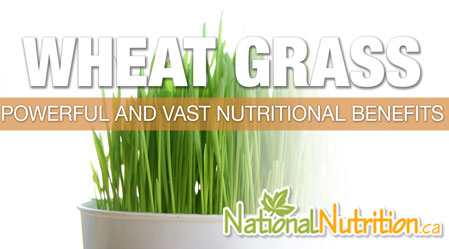
Wheat grass comes from one specific part of the wheat plant seed, called the cotyledon. It is cultivated when the plant reaches its peak nutritional value; from there, it can be consumed freeze-dried or fresh, as a food (often juiced), or in supplement form.
Benefits of Wheat Grass
Wheat grass powder is an excellent concentrated food source of chlorophyll, vitamin E, beta-carotene, phosphorus, magnesium, fibre, iron and vitamin K. It also contains vitamin C, vitamin B-12, folic acid, vitamin B-6, calcium, and other trace minerals. This grass is also an amazing and complete protein source, containing all essential amino acids. This makes it a valuable addition to any vegan or vegetarian diet, along with having powerful benefits in terms of weight loss, blood sugar balancing and general recovery from accident or illness.
Chlorophyll Content
Wheat grass is a significant source of chlorophyll. Approximately 70% of it is chlorophyll. This high chlorophyll content is one of the main reasons that it is thought to be so beneficial to health. Chlorophyll is essential for healthy blood, supporting the purification of blood through removal of toxins, as well as providing red blood cells with the nutrients they need to function optimally. For these reasons, this grass is often recommended during detoxification, as well as being recommended during acute or chronic infection, as it also helps support a healthy immune system. Wheat grass is also alkaline in nature. An acidic internal environment can be a precursor to, or exacerbate, inflammation and a variety of disease states.
Anti-Inflammatory
Aside from being alkaline in nature, wheat grass is believed to have anti-inflammatory properties of its own. Inflammatory diseases of the gastrointestinal tract, such as Crohn’s disease, Colitis, and pancreatitis, often utilize this grass and other greens as a form of easily digestible nutrition and for effective healing. Joint inflammation, such as rheumatoid and Osteoarthritis, may also benefit from a diet that includes this grass.
Buying or Growing Wheat Grass
As a supplement, it is found in tablets, as a powder, or as a freeze-dried liquid. If you plan to sprout your own wheat, be sure to get a variety of wheat berries that are suitable for sprouting and have not been irradiated. Seeds and grains are irradiated to kill the active plant and prevent them from sprouting. Many green food supplements are combinations of medicinal foods and herbs, usually containing wheat grass as one of the primary ingredients.
Important Information
There is some debate as to whether wheat grass contains gluten. Although if harvested properly, it should contain no gluten, individuals with celiac disease should use caution and be observant for any potential reactions to it or products containing it. A gluten-free guarantee is difficult to make with so much potential for cross-contamination. This nutrient should also be avoided for those with a wheat allergy or sensitivity.












