

Fresh Catch Signature Fish Oil - 100 Softgels - Barlean's

We're sorry, we no longer carry this item.
Check These out
Suggested, Similar, & Related Products:

Sale: $44.99
Reg.: $54.99 (Save $10.00)
(Click Add to Select Bonus)

Sale: $27.99
Reg.: $31.99 (Save $4.00)

Sale: $34.99
Reg.: $39.99 (Save $5.00)
(Click Add to Select Bonus)

Sale: $6.99
Reg.: $11.99 (Save $5.00)

Sale: $46.99
Reg.: $67.99 (Save $21.00)
(Click Add to Select Bonus)

Sale: $79.20
Reg.: $93.17 (Save $13.97)

Sale: $84.06
Reg.: $98.89 (Save $14.83)

Sale: $43.99
Reg.: $61.99 (Save $18.00)
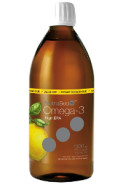
Sale: $79.99
Reg.: $104.99 (Save $25.00)
Or, Shop our Latest Deals:
Shop Now > Softgels
100 Softgels
Take two softgels daily.

- Reviews
- POST A NEW REVIEW
Fish Oil
Barleans Fresh Catch Signature Fish Oil is a pristine source of ultra-purified fish oil providing optimal levels of EPA and DHA to bring you vibrant health and energy.
Barleans uses the finest fish oils in the "Fresh Catch" products. These select oils are tested by independent, and FDA registered laboratories. Precise and reliable analytical testing methods (AOAC, AOCS, and WHO) are routinely used to verify the freshness, purity and the supplement potency.
The Worlds Freshest Fish Oil!
Fresh Catch Signature
Pharmaceutical Grade
Ultra-Purified, Molecularly Distilled
Free of PCBs, Dioxins, Arsenic, Cadmium, Lead, Mercury and other contaminants
Five-Layer Oxidation Protected
Council for Responsible Nutrition Compliant
International Purity Guideline Compliant
Laboratory Tested, Certified & Validated free of detectable contaminants
Provides Optimum Levels of EPA and DHA
Barleans Fresh Catch Signature Fish Oil is for those who aspire to nutritionally support the optimal structure and function of:
Heart Health
Joint Mobility & Bone Density
Healthy Cholesterol Levels
Healthy Blood Glucose
Eye Health Visual Acuity
Energy & Endurance
Mental Health, Wellness and Acuity
Skin, Hair & Nail Health
Sexual & Hormonal Health
Five Layer Oxidation Protection System guarantees the freshest and most nutritious fish oil:
1. Proprietary Fresh Catch Processing Technology ensures that oil is free from the damaging effects of heat, light and oxygen.
2. Black Opaque Bottles suppress light-induced oxidation.
3. Nitrogen Flushed Bottles suppress oxygen-induced oxidation.
4. FreshLok Anti-Oxidant Protection suppresses peroxide-induced oxidation.
5. Recommended Refrigeration for Liquids suppresses heatinduced oxidation. Caramel Coated Black-Opaque Softgels suppress light and oxygen-induced oxidation.
Managing Cholesterol and Blood Pressure with Omega-3 Oils
Most cardiovascular diseases are the result of atherosclerosis. For example, heart disease usually refers to a restriction or blockage of the coronary arteries that supply the heart with oxygen and nutrients. If the blood flow through these arteries is severely blocked because of the build-up of cholesterol-containing plaque, a heart attack may occur, resulting in severe damage or death to the heart muscle. Atherosclerosis and its complications are the major causes of death in the United States and have reached epidemic proportions throughout the Western world.
The Role of Cholesterol in Atherosclerosis
The first step in the prevention and treatment of heart disease and stroke is the reduction of blood cholesterol levels. The evidence overwhelmingly demonstrates that elevated cholesterol levels are a risk factor for cardiovascular disease. However, cholesterol is not all bad; it serves many vital functions in the body including the manufacture of sex hormones and bile acids. Without cholesterol, many body processes would not function properly. Its the type of cholesterol that determines whether or not it is harmful or helpful.
Cholesterol is transported in the blood
by molecules known as lipoproteins. Cholesterol bound to low density lipoprotein (LDL) is often referred to as the bad cholesterol while cholesterol bound to high density lipoprotein (HDL) is referred to as the good cholesterol. LDL cholesterol increases the risk for heart disease, stroke, and high blood pressure while HDL cholesterol actually protects against heart disease. Why? LDL transports cholesterol to the tissues. HDL, on the other hand, transports cholesterol to the liver for metabolism and excretion from the body. Therefore the LDL-to-HDL ratio (also referred to as the cardiac risk factor ratio) largely determines whether cholesterol is being deposited into tissues or broken down and excreted. The risk for heart disease can be reduced dramatically by lowering LDL cholesterol while simultaneously raising HDL cholesterol.
In addition to keeping an eye on your cholesterol level, it is also important to keep the level of triglycerides in the proper range. Here are the recommended levels of blood cholesterol and triglycerides:
Total cholesterol - less than 200 mg/dl
LDL cholesterol - less than 100 mg/dl
HDL cholesterol - greater than 60 mg/dl
LDL to HDL ratio, - less than 4.5
Triglycerides less than 150 mg/dl
The Role of Blood Pressure in Heart Attack and Stroke
Each time the heart beats it sends blood coursing through the arteries. The peak reading of the pressure exerted by this contraction is the systolic pressure. Between beats the heart relaxes and blood pressure drops. The very lowest reading is referred to as the diastolic pressure. A normal blood pressure reading for an adult is:
120 (systolic) / 80 (diastolic) High blood pressure, or hypertension is one of the major risk factors for a heart attack or stroke, making it very important to keep blood pressure within normal range. High blood pressure is diagnosed by a reading of greater than 140/90. Unfortunately, over 60 million Americans have high blood pressure, most likely due to dietary factors.
Besides attaining ideal body weight, perhaps the most important dietary recommendation is to increase the consumption of plant foods in the diet. A primarily vegetarian diet typically contains more potassium, complex carbohydrates, essential fatty acids, fiber, calcium, magnesium, and vitamin C than a meat-based diet, while providing less saturated fat and refined carbohydrates-all of which have a favorable influence on blood pressure.
Increasing the intake of Omega 3 fatty acids can also lower blood pressure. Over 60 double-blind studies have demonstrated that either fish oil supplements or flaxseed oil are very effective in lowering blood pressure. Along with reducing the intake of saturated fat, one tablespoon per day of flaxseed oil should drop both the systolic and diastolic readings by up to 9 mm Hg. One study found that for every absolute 1% increase in body alphalinolenic acid content (the Omega-3 found in flax oil), there was a decrease of 5 mm Hg in the systolic, diastolic, and mean blood pressure.
Summary
As you can see, the beneficial effects of Omega 3 oils in protecting the heart and vessels are quite obvious. Flaxseed oil offers a beneficial method for increasing the intake of Omega-3 oils in the diet.
Omega 3 Oils and Coronary Heart Disease
Omega 3 fatty acids can play an important role in promoting the health of the heart and blood vessels. Supportive but not conclusive research shows that consumption of EPA and DHA Omega 3 fatty acids may reduce the risk of coronary heart disease. Alphalinolenic acid (ALA) from flaxseed oil can be converted to EPA by the body.
Omega 3 Oils and Cholesterol
Omega 3 fatty acids have the uncanny ability to break down cholesterol, as well as serving as a solvent for saturated fats in the diet. The end result is less cholesterol in the blood stream. Scientific studies have shown Omega 3 fatty acids help maintain cholesterol and triglyceride levels that are already within a healthy range.
Omega 3 Oils and Blood Pressure
Increasing the intake of Omega 3 fatty acids can also support blood pressure. Over 60 double-blind studies have demonstrated that either fish oil supplements or flaxseed oil both sources of Omega 3s are very effective in keeping blood pressure within a healthy range. Along with reducing the intake of saturated fat, one tablespoon per day of flaxseed oil should help achieve the desired effect.
Back to Top ↑








