

Supplements For Attention Deficit Hyperactivity Disorder (ADHD/ADD)
Understanding ADHD: Symptoms, Causes, and Management
ADD, or Attention Deficit Disorder, is an old term for a disorder we today call ADHD, or Attention Deficit Hyperactivity Disorder. The term ADD was used until 1987, when the word "hyperactivity" was added to the name. ADHD is a common childhood disorder that causes varying degrees of learning and behavioural impairments. Read more >-
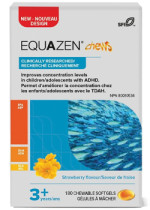
Equazen from New Nordic is the number 1 ADHD supplement in Europe that works to increase concentration levels in kids and adolescents with ADHD. Formulated with a unique ratio of EPA, DHA and GLA, in a 9:3:1 ratio, Equazen is a scientifically proven natural health product and contains a unique and patented complex. This formula has been clinically proven in over 12 studies, to help increase con...
+ Earn 44 Reward PointsOur Price: $44.95In Stock
ADD/ADHD Supplements: Supporting Focus and Learning in Children
ADD, or Attention Deficit Disorder, is an old term for a disorder we today call ADHD, or Attention Deficit Hyperactivity Disorder. The term ADD was used until 1987, when the word "hyperactivity" was added to the name. ADHD is a common childhood disorder that causes varying degrees of learning and behavioural impairments. According to the Center for ADHD Awareness Canada, ADHD is one of Canada's most common neurodevelopmental disorders, affecting 4–6% of adults and 5-7% of children, or approximately 1.8 million Canadians. This translates to 1 in every 21 people in the country being afflicted. Fortunately there are prescriptions and supplements for ADD which can help manage the symptoms.
The conventional approach to ADHD management focuses on the use of prescription medications that suppress some of the symptoms of the condition.
Unfortunately, these medications have been associated with a range of significant side effects, including delayed growth, sleep difficulties, decreased appetite leading to weight loss during childhood, and the possibility of considerable weight gain later in life. Most alarmingly, studies have shown that ADHD medications can cause personality changes and suicidal ideation. Fortunately, lifestyle interventions—most notably around diet—can help significantly, as can supplementation.
A hypoallergenic, low-sugar, low-inflammation diet and improved gut health have all been shown to be highly promising in the long-term management of ADHD. In addition, supplements like fish oils and omega-3 fatty acids, vitamin D3, B-complex, zinc, probiotics, serotonin, GABA, and ashwagandha are all highly effective at promoting focus, concentration, and cognitive health in children and adolescents.
Key Benefits of ADD Supplements for Children
- Decrease Symptoms Of ADHD
- Enhances Neurological Function and Attention
- Helps Improve Impulse Control
- Improve Focus, Concentration, and Learning Ability
- Reduce Symptoms Of Anxiety And Depression
Final Insights: Navigating ADD with Effective Supplements
There are many effective nutritional supplements to help support the symptoms of ADHD. Many of these options are in convenient, kid-friendly delivery formats, such as chewable tablets, gummies, liquid emulsions, drops, and powder forms that can be blended into yummy smoothies or shakes.
Remember, however, that successful treatment of ADHD symptoms calls not only for supplementation and a healthy diet but should also aim to exclude all potential ADHD triggers. Studies have shown that the most common triggers for ADHD are sugar, salty foods, simple carbohydrates, saturated fat, and caffeine. As well as food preservatives such as MSG and food dyes. An elimination diet can help identify food triggers and better manage ADHD.
Back to Top ↑








