

Pancreatin
What Is Pancreatin?
The pancreas is a gland integral to the digestive process and the assimilation of nutrients from our foods. A normally-functioning pancreas secretes between 3 and 4 litres of pancreatic juice into the duodenum daily. This fluid contains pancreatic enzymes critical to digestion and bicarbonate to neutralize stomach acid as it enters the small intestine. Read more >-
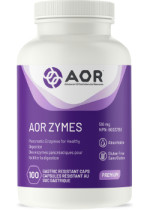
AOR ZYMES, BECAUSE COOKING DEPLETES ENZYMES IN OUR FOOD. AOR-Zymes is a mixture of pancreatic enzymes including lipases, proteases, amylases as well as alpha galactosidase for assisting in digestion of fats, proteins and carbohydrates. Alpha galactosidase helps breakdown and assists in absorption of legumes. Supplemental enzymes are often needed because current cooking practices often destroy ...
+ Earn 37 Reward PointsSale: $37.88
Reg.: $47.34 (Save $9.46)
In Stock -
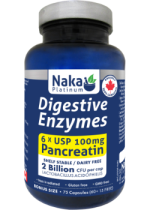
Take control of your digestive health with Naka Platinum Digestive Enzymes shelf stable capsules for healthy digestion and gastrointestinal support. Digestive enzymes are extremely important for breaking down food into individual nutrients for absorption. Insufficient digestive enzyme production will reduce absorption of vitamins, minerals and other nutrients from food. Proper digestion is key ...
+ Earn 28 Reward PointsSale: $28.99
Reg.: $32.99 (Save $4.00)
In Stock
Pancreatin - What Is It?
The pancreas is a gland integral to the digestive process and the assimilation of nutrients from our foods. A normally-functioning pancreas secretes between 3 and 4 litres of pancreatic juice into the duodenum daily. This fluid contains pancreatic enzymes critical to digestion and bicarbonate to neutralize stomach acid as it enters the small intestine. Pancreatin is a mixture of enzymes to aid in digestion and nutrient absorption.
Pancreatic enzymes are essential because they facilitate the breakdown of macronutrients in the foods we eat — so things like proteins, carbohydrates, and fats, into smaller molecules that the body can absorb and use.
Indeed, the pancreas makes most of the digestive enzymes in the body. Of these, the three main types are amylase (breaks down starch/carbs), protease (breaks down protein peptide bonds) and lipase (breaks down fats).
Pancreatin is a mix of amylase, lipase, and protease and is used to aid in the digestion of proteins, fats, and carbohydrates in the small intestine. This is key because the energy we get from the foods we eat depends on various factors, including our diet, overall lifestyle hygiene (exercise, sleep, stress management), and perhaps most importantly, the quality of our digestive process. This is where pancreatin supplementation can help, especially if you have symptoms of a malfunctioning pancreas, such as:
- Diarrhea or loose stools
- Gas and bloating
- Feeling full easily
- Foul-smelling bowel movements
- Indigestion and cramps
- Loss of appetite and weight loss
- Pain or tenderness in the abdomen
- Yellow or orange-coloured stool
Benefits of Pancreatin
- Enhances The Absorption Of Fat-Soluble Vitamins
- Facilitates The Digestive Process
- Helps Reduce Gas, Bloating, & Diarrhea
- Improves The Digestion Of Carbs, Fats, And Proteins
- Promotes Robust Immune Function
Who Needs Pancreatin?
Pancreatin supplements are typically used to treat malabsorption caused by pancreatic issues, including those associated with cystic fibrosis, surgical removal of the pancreas, long-term pancreatitis, pancreatic cancer, and maturity-onset diabetes of the young (MODY), among others. Those with autoimmune disorders, who suffer from alcohol use disorder or who have had surgery that affects their gastrointestinal tract may also benefit from pancreatin enzyme supplementation to improve digestion and promote the absorption of fat-soluble vitamins. Older adults with low stomach acid or enzyme insufficiency may also benefit from pancreatin supplementation.
Pancreatin – Forms, Formats, and Potency
Pancreatin, also often called pancrelipase, is available in supplement form, derived from either plant or animal sources, including papaya, pineapple, and porcine glands, as a by-product of meat production. Supplements come principally in capsule form, in a range of potencies. Typically, it is recommended that adults begin with doses of 10,000–20,000 lipase units with smaller meals and between 20,000–40,000 lipase units with their main meals.
The actual dosage of pancreatic enzymes that’s right for you, however, will depend on your weight, health status, medical history, and why you are taking the supplement. Your naturopathic doctor can help you determine the appropriate dose. With this said, starting with the lowest amount necessary and adjusting according to symptomatic improvement is always best.
Final Thoughts
Take pancreatin before eating to benefit from the full efficacy. You can swallow the capsule with some water or open it and sprinkle it over food if you prefer. Just make sure not to use this method with highly alkaline food, as this will only serve to inactive your enzymes.
While pancreatic enzymes are highly effective and generally well-tolerated, they can occasionally cause side effects like cramps, nausea, constipation, and diarrhea. In such instances, lower your dose and build up gradually.
Back to Top ↑








