

HSOs
What Are HSO Probiotics?
Homeostatic Soil Organisms (HSOs), also frequently called Soil-Based Organisms (SBOs,) refer to the diverse array of microorganisms present in the soil that play a crucial role in maintaining soil health and stability through various biological processes. These organisms actively contribute to regulating soil nutrient cycling, organic matter decomposition, and disease suppression. Read more >-
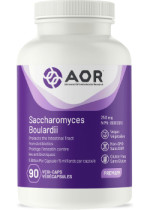
SACCHAROMYCES BOULARDII CALMS INTESTINAL DISCOMFORT. Saccharomyces boulardii is a non-pathogenic yeast offered by AOR in Vcap form. Studies have shown that saccharomyces boulardii is effective against intestinal complications induced by antibiotics and clostridium difficile, such as diarrhea and other forms of intestinal discomfort. [VEGETABLE CAPSULE]
+ Earn 39 Reward PointsSale: $39.52
Reg.: $49.40 (Save $9.88)
In Stock
HSO Probiotics
What Are HSO's?
Homeostatic Soil Organisms (HSOs), also frequently called Soil-Based Organisms (SBOs,) refer to the diverse array of microorganisms present in the soil that play a crucial role in maintaining soil health and stability through various biological processes. These organisms actively contribute to regulating soil nutrient cycling, organic matter decomposition, and disease suppression.
Homeostasis, of course, is the ability of a system to maintain internal stability and balance in response to changes in its environment. In the context of soil, homeostatic organisms help maintain the optimal conditions necessary for healthy plant growth and overall ecosystem functioning. They contribute to the cycling and availability of essential nutrients, such as nitrogen, phosphorus, and potassium, by participating in processes like nitrogen fixation, mineralization, and nutrient transformations.
Beyond plants, research has shown that HSOs promote optimal gut health and robust immune function. Indeed, there are over 800 published studies that reference HSOs in the successful treatment of:
- Allergies
- Asthma
- Autoimmune Conditions
- Bacterial, Fungal And Viral Infections
- Gas & Flatulence
- Indigestion
- Inflammatory Diseases
- Irritable Bowel Syndrome
- Nausea
- Nutrient Deficiencies
- Malabsorption
- Ulcerative Colitis
Types Of Homeostatic Soil Organisms
Some examples of homeostatic soil organisms include:
Bacteria – Many species of bacteria, such as Rhizobium and Azotobacter, form symbiotic relationships with plants and contribute to nitrogen fixation, converting atmospheric nitrogen into a form that plants can utilize. Other bacteria decompose organic matter and release nutrients for plant uptake.
Fungi – Various fungal species, including mycorrhizal fungi, enhance nutrient uptake by extending their hyphae into the soil, increasing the surface area for nutrient absorption. Mycorrhizal fungi also aid in transporting nutrients, particularly phosphorus, to plants.
Protozoa – These single-celled organisms feed on bacteria and other microorganisms, helping to control their populations and prevent nutrient imbalances. Protozoa also release nutrients through their waste products.
Nematodes – Certain types of nematodes, called bacterivorous nematodes, feed on bacteria in the soil. By regulating bacterial populations, they contribute to nutrient cycling and help maintain microbial balance.
Health Benefits Of Supplementing With HSO's
Enhanced Nutrient Absorption: HSOs can contribute to the breakdown of organic matter and the release of essential nutrients in the soil. This nutrient-rich environment may help enhance the nutrient content of plants and potentially improve nutrient absorption when consumed by humans or animals.
Gut Microbiome Support: The diversity and balance of microorganisms in the gut play a crucial role in maintaining our overall health. This is why consuming HSO-containing foods can support the diversity and balance of the gut microbiome.
Immune System Modulation: HSOs have immunomodulatory effects, which can help regulate the immune system's response. A balanced immune system is crucial for overall health and may help reduce the risk of immune-related disorders.
Allergy and Asthma Prevention: Studies suggest that early exposure to diverse microorganisms, including soil organisms, reduces the risk of allergies and asthma later in life. This concept, known as the hygiene hypothesis, proposes that exposure to certain microorganisms can positively influence the development of the immune system and reduce the likelihood of allergic reactions.
Mental Health Benefits: Researchers have explored the connection between exposure to natural environments and mental health. Spending time outdoors, including activities involving contact with soil, has been shown to have mood-enhancing and stress-reducing effects. Exposure to HSOs and other environmental microorganisms contributes to these benefits.
HSO Probiotic Supplements
HSO probiotic supplements are sold in health food stores and online supplement retailers. They typically come in capsules, caplets, powder form, and gummies. They usually feature a blend of beneficial microorganisms that, in combination, promote healthy digestive balance, support normal absorption and assimilation of nutrients, healthy bowel function, and help maintain a robust immune system.
Final Thoughts
To fully benefit from your HSO supplement, look for a product sourced from soil untouched by pesticides, herbicides and other widely used chemicals.
While HSOs are generally considered safe for most individuals, certain groups of people should exercise caution or avoid using them. These include:
Individuals with compromised immune systems: People with weakened immune systems, such as those with HIV/AIDS, undergoing chemotherapy, or organ transplant recipients, should consult their healthcare provider before using HSOs.
Individuals with severe allergies or sensitivities: If you have known allergies or sensitivities to certain microorganisms or environmental substances, you must check the specific strains in your HSO product and discuss them with a healthcare practitioner.
Individuals with known medical conditions: If you have any underlying medical conditions or are taking prescription medications, it's important to consult with your healthcare provider before using HSOs.
Back to Top ↑








