

Feminine Pads & Liners
What Are Natural Feminine Pads & Liners?
Did you know that before the advent of modern disposable feminine pads, women around the world used a variety of materials to manage their menstrual flow? In fact , ancient Egyptians were said to have used softened papyrus, while women in ancient Greece would fashion pads from wool. Other materials commonly used included cloth, moss, animal skins, and even grass. Read more >-
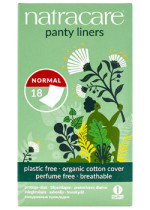
Natracare's Normal Panty Liner's are made of 100% certified cotton. It is soft, absorbent, discreet and totally breathable. Natracare's Panty Liner's are plastic-free, totally chlorine free, over 99% biodegradable, and compostable. These amazing Panty Liners can be used daily as a protective liner especially if your underwear is made from modern synthetic material and you want to be sure that y...
+ Earn 3 Reward PointsSale: $3.99
Reg.: $4.99 (Save $1.00)
In Stock
Explore Our Range of Feminine Pads & Liners for Menstrual Care
Did you know that before the advent of modern disposable feminine pads, women around the world used a variety of materials to manage their menstrual flow?
In fact , ancient Egyptians were said to have used softened papyrus, while women in ancient Greece would fashion pads from wool. Other materials commonly used included cloth, moss, animal skins, and even grass.
In the 19th century, the first commercially available disposable feminine pad was introduced, offering women greater autonomy over their bodily functions, better leakage protection, and thinner pads for greater comfort. Though they provide less absorbency, menstrual liners were introduced later as a lighter alternative for light-flow days.
While feminine pads and liners were already a considerable advancement in the emancipation of women, the quality of their ingredients has long left a lot to be desired. Indeed, most conventional pads and liners today still contain many of the same problematic ingredients they did when they first appeared on the scene. These include chlorine, dioxins, plastic or synthetic materials like polypropylene or polyethylene, super absorbent polymers (SAPs), artificial fragrances, and adhesive chemicals used to keep pads in place. Fortunately, natural pads and lines made from clean and green ingredients are increasingly available in all sorts of venues from health food stores to supermarkets, pharmacies, and online supplement retailers.
Choosing Natural Menstrual Pads & Liners: What to Look For
To make an informed decision about the feminine pads you use, it's essential to carefully read product labels and packaging. Here is a checklist of things to look for in a quality natural menstrual pad or liner:
Chemical-free – Natural menstrual pads and liners are typically made from organic and biodegradable materials such as organic cotton, bamboo, or hemp. They are free from harmful chemicals like chlorine, dioxins, fragrances, and synthetic additives found in conventional pads. This reduces the risk of skin irritation, allergies, and potential health concerns associated with prolonged exposure to these chemicals.
Breathability – Natural menstrual products are designed to be breathable, allowing air circulation and reducing the risk of moisture buildup. This helps maintain better vaginal health and prevents the growth of bacteria that can lead to infections and odour.
Biodegradability – Many natural feminine pads and liners are biodegradable, meaning they can break down naturally over time and do not contribute to environmental pollution. They are often made from renewable resources, reducing the overall ecological footprint.
Absorbency – Despite being made from natural materials, these products offer excellent absorbency. They can effectively handle the menstrual flow and keep you dry and comfortable throughout the day.
Hypoallergenic – Natural menstrual pads and liners are hypoallergenic and gentle on sensitive skin. They are less likely to cause irritation, itching, or rashes, making them suitable for individuals with sensitive skin or allergies.
Sustainable and eco-friendly – By choosing natural feminine products, you are making a more sustainable choice. These products are often produced using eco-friendly manufacturing processes, reducing the carbon footprint. Additionally, their biodegradability ensures they won't contribute to landfill waste.
Supporting ethical practices – Many natural menstrual product brands prioritize ethical practices throughout their supply chain. This may involve fair trade, supporting local communities, or ensuring safe and fair working conditions for employees involved in the production process.
Additionally, consider reusable feminine hygiene products, such as menstrual cups or cloth pads, which can be an environmentally friendly alternative to disposable pads.
Leading Brands in Natural Feminine Pad and Liner Hygiene
When it comes to natural feminine pads and hygiene products, several trusted brands are popular among women. These include Seventh Generation, a brand that focuses on eco-friendly and sustainable feminine hygiene products. They offer chlorine-free pads and tampons made from organic cotton. L. Organics is another brand that prioritizes organic and natural ingredients in its feminine hygiene products. They provide a range of pads, tampons, and liners made from organic cotton, and last but by no means least, Natracare, another trusted brand that emphasizes organic and environmentally friendly products such as cotton tampons, pads, liners, and intimate wipes.
Back to Top ↑








