

Bee Pollen
What Is Bee Pollen?
Bee Pollen has a fascinating history that spans thousands of years, with its use dating back to ancient civilizations. Indeed, the use of bee pollen can be traced back to the Egyptians, Chinese, and Greeks. The Egyptians revered bee pollen as a superfood, and it was often included in their diet for its numerous health benefits. Chinese apitherapy has also long recognized the healing properties of bee pollen. Read more >-
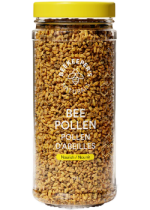
Bee Pollen from Beekeeper's Naturals has been sourced from remote green apiaries. It comes from the highest quality foraging grounds and is never heated or treated in order to preserve all the natural enzymes and vitamins. Containing B vitamins, minerals, free forming amino acids, clean protein, and antioxidants, Bee Pollen is very nutrient dense to support many cellular functions and is the pe...
+ Earn 23 Reward PointsSale: $23.74
Reg.: $24.99 (Save $1.25)
In Stock -

Fortify your favourite recipes with NOW Bee Pollen granules and enjoy as a topping for many dishes or add health shakes. Pollen is the bee’s primary food source, as it is concentrated with bioactive plant compounds and nutrients. Bee pollen has long been used as a concentrated, natural nutrient source. NOW Bee Pollen granules can be used to fortify your favourite recipes or they can be enjoyed ...
+ Earn 17 Reward PointsSale: $17.99
Reg.: $25.46 (Save $7.47)
In Stock -

STRENGTHEN YOUR IMMUNE SYSTEM! Experience the benefits of Bee Pollen from Canadian Natural, simply take 1 teaspoon twice a day! Canadian Natural’s Bee Pollen uses pollen collected from bee hives in North America. In order to maximize the quality and quantity of fruits and vegetables, a maximum of only one hive per acre of crops was placed. Hives were placed when blossoms bloomed a...
+ Earn 9 Reward PointsSale: $9.99
Reg.: $14.99 (Save $5.00)
In Stock -
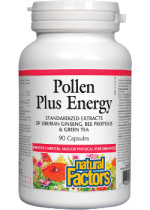
POLLEN PLUS FROM NATURAL FACTORS FOR ENHANCED ENERGY AND WELL BEING. Pollen Plus Energy is a synergistic blend of nutrients designed to promote optimal energy levels and mental function. Containing highly nutritious Bee Pollen, rich in an array of vitamins, minerals and amino acids + Siberian Ginseng to increases vitality, mental energy, and others. Pollen Plus Energy may be especially benefi...
+ Earn 10 Reward PointsSale: $10.99
Reg.: $16.99 (Save $6.00)
Out of Stock
Get Notified When in Stock
Bee Pollen Benefits
Bee Pollen Origins
Bee pollen has a fascinating history that spans thousands of years, with its use dating back to ancient civilizations. Indeed, the use of Bee pollen can be traced back to the Egyptians, Chinese, and Greeks. The Egyptians revered bee pollen as a superfood, and it was often included in their diet for its numerous health benefits. Chinese apitherapy has also long recognized the healing properties of bee pollen. Even the Native Americans of the Southwest recognized the value of bee pollen, incorporating it into their traditional medicine and rituals. Just as interestingly, the Father of Medicine, Hippocrates, often mentioned bee pollen in his writings, noting its ability to alleviate certain health conditions and boost overall well-being.
Bee Pollen Today
Scientific interest in bee pollen began to grow in the 20th century, leading to extensive research seeking to elucidate its composition and numerous health benefits. Since then, studies have determined that bee pollen is a rich source of vitamins, minerals, enzymes, antioxidants, and amino acids. It has also been shown to enhance energy, boost exercise performance and endurance, bolster the immune system, and improve an individual's overall nutritional profile.
Today bee pollen continues to be used in various forms, including granules, powders, and capsules. It can be a nutritious and flavourful addition to multiple foods and snacks, including smoothies, juices, yogurt, salads and dressings, and baked goods like muffins, bread, cookies, and energy bars. It can also be sprinkled on desserts like ice cream, puddings, or fruit salads to add visual appeal and a hint of sweetness.
Tips On Buying & Using Bee Pollen
When looking to reap the benefits of bee pollen, there are several factors you should consider when selecting a high-quality supplement
Source and Purity: Ensure that the bee pollen comes from reputable sources, ideally from organic beekeeping practices. This helps minimize the risk of contaminants such as pesticides or heavy metals.
Freshness: Bee pollen is most potent when it is fresh. Look for products that are recently harvested and packaged.
Storage and Packaging: Proper storage and packaging are crucial to maintaining the quality of bee pollen. It should be stored in a cool, dry place away from direct sunlight. Look for products in airtight containers to prevent moisture and air exposure, which can lead to spoilage.
Colour and Texture: High-quality bee pollen typically has vibrant colours, ranging from yellow to orange or dark brown. The texture should be slightly coarse or powdery, and the individual pollen grains should be distinct and not clumped together.
Sustainable Harvesting Practices: Choose a brand of bee pollen that supports sustainable beekeeping practices. Sustainable harvesting ensures the well-being and survival of bee colonies, contributing to the ecosystem's overall health.
Final Thoughts
While bee pollen has many benefits and is highly nutritious and generally considered safe for most people, there are some possible side effects and contraindications to be aware of. Most notably, bee pollen can cause allergic reactions in individuals allergic to bee stings or other bee products. Symptoms may include itching, swelling, hives, and difficulty breathing. You should avoid bee pollen if you have a known allergy to bee products. In addition, some individuals may be allergic to specific types of pollen found in bee pollen. If you have known allergies to specific plants or pollen, it is advisable to consult with an allergist before consuming bee pollen.
In some cases, bee pollen may cause gastrointestinal discomforts, such as stomach cramps, diarrhea, or constipation. If you experience digestive issues after consuming bee pollen, reducing the dose and increasing it gradually over time usually does the trick.
Back to Top ↑








