

Ginseng Combinations
Ginseng Supplement Combinations
The term "Ginseng" refers to a group of perennial plants belonging to the Panax genus, which is part of the Araliaceae family. The word itself has its origins in Chinese and is a combination of two characters: "人" (rén), meaning "man" or "person," and "参" (shēn), meaning "root." Together, the term "人参" (rénshēn) translates to "human-shaped root" or "root resembling a man," alluding to the distinctive appearance of the Ginseng root, closely resembling the human body. Read more >-
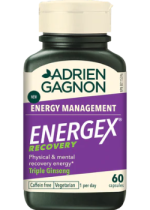
After a period of heavy effort, it's important to do everything you can to recover. Adrien Gagnon’s new improved Triple Ginseng formula, now containing Chinese, American, and Siberian Ginseng is caffeine-free. It helps reduce fatigue and increase energy to improve your performance. This synergy of 3 adaptogenic plants is ideal for people in convalescence or wishing to promote a good recovery du...
+ Earn 18 Reward PointsSale: $18.99
Reg.: $21.89 (Save $2.90)
In Stock
Discover the Power of Ginseng Supplement Combinations
The term "ginseng" refers to a group of perennial plants belonging to the Panax genus, which is part of the Araliaceae family. The word itself has its origins in Chinese and is a combination of two characters: "人" (rén), meaning "man" or "person," and "参" (shēn), meaning "root." Together, the term "人参" (rénshēn) translates to "human-shaped root" or "root resembling a man," alluding to the distinctive appearance of the ginseng root, closely resembling the human body. Ginseng dates back thousands of years and is deeply rooted in Traditional Chinese Medicine (TCM), wherein it was revered for its potent health benefits, including promoting health, longevity, vitality, and overall well-being. Today ginseng is available in numerous supplement formats including combination formulas.
There are 11 species of ginseng, each with its unique characteristics and health benefits. It is available as a fresh or dried root, in teabags, and in supplement form (powdered or as an extract), in capsules, tablets, powders, or liquid tinctures.
Combination ginseng supplements are also widely available, which typically combine ginseng with a variety of different vitamins, minerals, or other herbal extracts that work in synergy to address specific health concerns. Combinations vary depending on the manufacturer and the intended purpose of the supplement, of course, but some of the most common ingredients paired with ginseng include:
- Vitamins, such as vitamin B-complex, vitamin C, and vitamin E.
- Minerals, such as zinc, selenium, and magnesium.
- Herbal extracts, like ashwagandha, astragalus, eleuthero, Fo-Ti, ginkgo biloba, Rhodiola, gotu kola, and others.
- Antioxidants, like coenzyme Q10, green tea extract, and resveratrol.
- Other ingredients that frequently show up in combination ginseng blends include bee pollen, cayenne fruit, royal jelly, and yerba mate.
Health Benefits of Ginseng: An Overview
- Adaptogenic Properties – Better Stress Management
- Boosts Immune Function
- Enhances Thinking, Concentration, & Memory
- Improves Athletic Performance
- Improves Lung Function
- Increases Mental & Physical Energy And Endurance
- Promotes Blood Sugar Balance
Top Combination Ginseng Supplements for Synergistic Health Support
You can purchase a combination of ginseng blends in health food stores as well as through your favourite online supplement retailer. Some of the better formulas on the market include Phyto-ADR by Pure Encapsulations, Energex by Adrien Gagnon, Energy by Nu Life, and Jamieson Vitamins' Energy & Adaptogen Booster Powder Blend.
Because of its powerful stimulating effect on energy production, ginseng is also frequently added to multivitamins and sports nutrition powders and bars to improve mental and physical performance and endurance. Always read the ingredients panel on the product you're considering buying to ensure you choose the formula that best matches your needs.
Essential Considerations When Choosing Ginseng Combinations
Ginseng is generally well tolerated, and side effects, if any, are usually mild in healthy adults. However, high doses or long-term use can cause headaches, dizziness, and gastrointestinal disturbances. Ginseng may interact with certain medications and medical conditions. These include:
- Allergies – People with known allergies to ginseng or related plants should avoid its use.
- Autoimmune Disorders – Ginseng may stimulate the immune system (depending on which ginseng is used), which can potentially worsen autoimmune conditions like rheumatoid arthritis, lupus, or multiple sclerosis.
- Bleeding Disorders – Ginseng has anticoagulant effects, so it should be used with caution in individuals with bleeding disorders or those taking blood-thinning medications (e.g., warfarin, aspirin).
- Cardiovascular Disease – Individuals with heart conditions or a history of heart problems should use ginseng cautiously, as it can affect heart rate and blood pressure.
- Diabetes – Ginseng lowers blood sugar, so those with diabetes or taking medications to control blood sugar should monitor their levels closely while using ginseng.
- Hormone-Sensitive Conditions – Ginseng contains compounds that can mimic estrogen in the body, so individuals with hormone-sensitive conditions such as breast, ovarian, or uterine cancer should avoid its use.
If you aren’t sure which type of ginseng or ginseng combination blend is right for you, speak to a qualified healthcare practitioner for guidance.
Back to Top ↑








