

Kids First Omega - 120 + 60 Chewable Gelcaps - Health First

We're sorry, we no longer carry this item.
Check These out
Suggested, Similar, & Related Products:
Sale: $39.99
Reg.: $49.99 (Save $10.00)
Sale: $34.99
Reg.: $39.99 (Save $5.00)

Sale: $29.45
Reg.: $34.49 (Save $5.04)
(Click Add to Select Bonus)
Sale: $8.95
Reg.: $10.49 (Save $1.54)
(Click Add to Select Bonus)
Sale: $12.99
Reg.: $16.99 (Save $4.00)
(Click Add to Select Bonus)
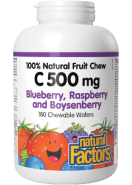
Sale: $16.99
Reg.: $21.99 (Save $5.00)
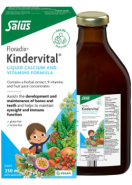
Sale: $23.99
Reg.: $29.99 (Save $6.00)
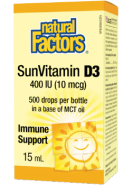
Sale: $6.99
Reg.: $8.99 (Save $2.00)
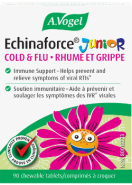
Sale: $12.99
Reg.: $19.99 (Save $7.00)
Or, Shop our Latest Deals:
Shop Now >- 250mg
- Fish oil (from anchovy, sardine and salmon body oil)
- 100mg
- DHA (Docosahexaenoic Acid)
- 25mg
- EPA(Eicosapentaenoic Acid)
Free from artificial flavours, artificial colours, gluten, wheat, lactose, artificial preservatives, added sugar and yeast.
 Chewable Softgels
120 + 60
Children 1-8 years: chew or swallow 2 gelcaps daily. Children 9-13 years: chew or swallow 4 gelcaps daily.
- Eye health.
- Helps support cognitive health & brain function
- Source of EPA and DHA for the maintenance of good health
- Helps support development of brain, eyes & nerves
- Natural Orange flavour.

- Reviews
- POST A NEW REVIEW
Kids-First Omega from Health First
Omega-3’s support brain function in children Our chewable orange-flavoured gelcaps make omega-3’s a burst of fun for kids. Tested for purity and safety by the IFOS (International Fish Oil Standards).
DHA is particularly important for:
Brain Health: The human brain is made up of 20% DHA. Alack of DHA in children is believed to lead to behavioral and mood disorders. Conversely, infants who get sufficient DHA show superior IQ and reduced incidence of asthma than those who do not get sufficient DHA.
American pediatrician, Dr. Alan Greene states that,"Most American kids are not getting the DHA they need. The typical three-year-old needs about 150 mg of DHA a day. On average, they are only getting about 19 mg, a tiny fraction of what they need for optimal brain growth."
Eye health: DHA is vital in development of vision during infancy and childhood. DHA makes up 50 percent of the retina’s total fatty acids.
Recommended use:
Source of omega-3 fatty acids for the maintenance of good health.
Source of EPA and DHA for the maintenance of good health.
Helps support cognitive health/brain function.
Helps support the development of the brain, eyes, and nerves
DHA
Docosahexanoic acid is an omega 3 essential fatty acid. It is an essential component of the brain and central nervous system. It seems to concentrate in areas where there is lots of electrical activity such as the synaptosomes, where nerve cells communicate, and the photoreceptors of the eye. This is why a deficiency of DHA can result in poor brain development, attention/deficit hyperactivity disorder, learning disorders, memory problems and poor visual development.
Supplementation of DHA is especially important in pregnant women, breastfeeding mothers and children. Some infant formulas are now fortified with DHA because, in the past, formula has contained less essential fatty acids than breast milk.
DHA can be taken in through the diet by eating fish or fish oil. The body can also convert alpha linolenic acid (ALA), from vegetable sources like flaxseeds, into DHA. However, the standard North American diet is deficient in essential fatty acids, especially omega 3s and very few individuals have enough excess ALA to meet the body's need for DHA. Supplemental DHA is usually made from tuna, salmon, herring, mackerel or sardines. These fish contain more omega 3 rich fat than other fish species. Cod liver and halibut liver oils also contain some omega 3s but are primarily used for their vitamin A and D content. Some newer fish liver oils have been fortified with DHA and may be an economical choice for those individuals taking both DHA and liver oils.
DHA supplements are found as liquid oil (processed to remove the fishy taste), soft gel chewables (flavoured) and standard soft gel capsules. Children favour DHA liquids and flavoured soft gel chewables. Fish liver oil supplements should be used cautiously in children, pregnant and nursing women because of the toxicity of fat-soluble vitamins.
Ensure your fish oil supplement is not processed with heat because it damages the acids and creates free radicals. It is important to purchase a good quality DHA supplement that has been tested for contaminants. Refrigerate all liquid DHA supplements and keep capsules away from heat to increase shelf life. Using liquid DHA is much more cost effective than capsules because numerous capsules must be taken to make an equivalent amount of liquid oil.
EPA
Eicosapentaenoic acid is an omega 3 essential fatty acid. It is an important fatty acid in the maintenance of cardiovascular health and the regulation of inflammation. EPA is a precursor to a series of chemicals whose job it is to regulate the inflammatory effects of arachidonic acid. Too much arachidonic acid leads to pain and inflammation in conditions such as arthritis.
Arachidonic acid also causes inflammation in arteries and leads to the development of atherosclerotic plaques. Deficiency of EPA can result in cardiac arrhythmias, high cholesterol and excessive aging. EPA has been used to treat heart disease, arthritis and other inflammatory conditions.
EPA can be taken in through the diet by eating fish or fish oil. The body can also convert alpha linolenic acid (ALA), from vegetable sources like flaxseeds, into EPA. However, the standard North American diet is deficient in essential fatty acids, especially omega 3s and very few individuals have enough excess ALA to meet the body's need for EPA. Supplemental EPA is usually made from tuna, salmon, herring, mackerel or sardines. These fish contain more omega 3 rich fat than other fish species. Cod liver and halibut liver oils also contain some omega 3s but are primarily used for their vitamin A and D content. Some newer fish liver oils have been fortified with EPA and may be an economical choice for those individuals taking both EPA and liver oils.
EPA supplements are found as liquid oil (processed to remove the fishy taste), soft gel chewables (flavoured) and standard soft gel capsules. Fish liver oil supplements should be used cautiously in children, pregnant and nursing women because of the toxicity of fat-soluble vitamins.
Ensure your fish oil supplement is not processed with heat because it damages the acids and creates free radicals. It is important to purchase a good quality EPA supplement that has been tested for contaminants. Refrigerate all liquid EPA supplements and keep capsules away from heat to increase shelf life. Using liquid EPA is more cost effective than capsules because numerous capsules must be taken to make an equivalent amount of liquid oil.
Back to Top ↑








