

Magnesium Citrate 150mg - 300 Caps - Health First

We're sorry, we no longer carry this item.
Check These out
Suggested, Similar, & Related Products:

Sale: $17.99
Reg.: $29.99 (Save $12.00)
(Click Add to Select Bonus)

Sale: $27.99
Reg.: $49.99 (Save $22.00)
(Click Add to Select Bonus)
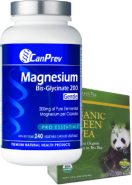
Sale: $35.99
Reg.: $49.99 (Save $14.00)
(Click Add to Select Bonus)
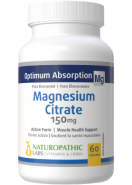
Sale: $7.99
Reg.: $11.99 (Save $4.00)
Sale: $29.98
Reg.: $37.47 (Save $7.49)
Sale: $58.08
Reg.: $72.60 (Save $14.52)
(Click Add to Select Bonus)
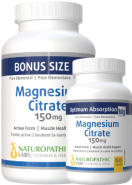
Sale: $19.99
Reg.: $29.99 (Save $10.00)
(Click Add to Select Bonus)
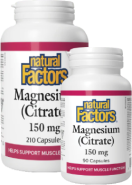
Sale: $19.99
Reg.: $25.49 (Save $5.50)
(Click Add to Select Bonus)
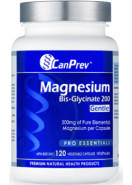
Sale: $24.99
Reg.: $31.99 (Save $7.00)
Or, Shop our Latest Deals:
Shop Now >- 150 mg
- Elemental Magnesium (From 967 mg of Magnesium Citrate)
Magnesium stearate and capsule shell (gelatin andpurified water).
Free from artificial colours, artificial flavours, corn, gluten, wheat, lactose, preservatives,soy, added sugar and yeast. See below for cautions.
 Veggie Caps
300
Adults take one to three capsules daily with afull glass of water or as directed by a health professional.
- Bone health
- Cardiovascular Support
- Anxiety support
- Sleep disturbances/insomnia
- Easy to swallow caps

- Reviews
- POST A NEW REVIEW
Magnesium is useful for bone health, cardiovascularhealth (blood pressure), energy (increases enzyme activity), treating musclecramps, depression, headaches and insomnia.
Magnesium
Magnesium is an important catalyst for the body's chemical reactions, meaning that it increases the rate at which chemical reactions occur ...
Some of the most important reactions involving magnesium are in the Kreb's cycle, the cycle inside every cell that leads to energy production.
Recently there has been some debate in regards to the efficacy of magnesium status testing. There are arguments that blood testing may not show deficiencies until they are dangerously low.
It is possible that 50 % or more of the population is "subclinically deficient" or have low magnesium stores despite normal serum levels. These deficiencies may have to do with low dietary intake of magnesium, due to poor dietary habits, or loss through refining and processing of foods. Foods rich in magnesium include dark leafy vegetables, bananas, avocado, peas, legumes, soy and whole grains.
Without magnesium the transmission of nerve and muscle impulses is compromised. This can lead to nervous system disorders, muscle weakness or contraction, cramps and spasms. As an example, magnesium has been shown to decrease menstrual pain by relaxing the uterine muscles. In pregnancy, magnesium acts as a uterine relaxant and can prevent premature labour.
Given its vital role in nerve and muscle function, magnesium is also an especially important mineral for heart health. Deficiency can cause abnormal heart rhythms, coronary spasms and calcification of the arteries. Studies have also shown that women, in particular, low in magnesium are at a higher risk of developing hypertension.
Magnesium deficiency has also been strongly associated with depression, as well as migraines, ADD, PMS, fibromyalgia, asthma, allergies and type II diabetes. Studies show supplemental magnesium in pregnancy also decreases the risk of birth defects such as cerebral palsy. It has been researched for its ability to protect against osteoporosis and as well as some cancers.
Magnesium can be found as a lone mineral, usually in tablet or capsule form (rarely as a powder). Chelated or citrated magnesium supplements are easier for the body to use and can be taken with or without food. Chelated simply means that magnesium is bonded to a protein molecule, for example taurate or glycinate, and citrated means that magnesium is bonded to a citrate molecule. These molecules are said to improve our ability to take magnesium into the cell so it may have its desired effect. Magnesium oxide, chloride and carbonate are insoluble forms and more likely to cause gastrointestinal side effects like diarrhea or loose stool.
Magnesium taurate has added benefit for the heart, while magnesium glycinate and citrate are soluble forms, considered highly absorbable and providing a high elemental mineral content. Magnesium that is paired with malic acid has been shown to provide significant pain relief for individuals suffering from fibromyalgia. The magnesium in antacids is not a good supplemental source because it neutralizes stomach acid and will impair the absorption of other minerals, like calcium.
Magnesium is commonly used in a Calcium/Magnesium complex. These are available as tablets, capsules, powders and liquids. Magnesium in these combinations is found in the same forms as are available in single magnesium supplements. When choosing a Cal/Mag complex consider the ratio of calcium to magnesium. The most popular is 2 calcium:1 magnesium because calcium is normally recommended at twice the daily amount as compared to magnesium. However for those individuals in need of extra magnesium 1:1 and 3:2 (Cal:Mag) ratio supplements are available.
Coral calcium is an option for those who use a calcium/magnesium complex. Coral calcium contains a form of magnesium oxide that has better absorption because it is a naturally occurring magnesium. It occurs in a 1:4 ratio (magnesium:calcium) and is found in a complex with many other minerals. Two types of coral calcium exist, fossilized and marine. Fossilized coral is farmed after it floats to the top of the ocean while marine grade is live coral that is vacuumed from the ocean floor. There is a debate between the maker of both types as to which is better with no clear winner emerging. One must consider the ecological effect of both processes when purchasing coral calcium. Ensure that your supplement is tested for contaminants since the coral is farmed from the ocean. Even after purification coral calcium contains minute amounts of heavy metals and should not be consumed by pregnant or nursing women.
The body's need for magnesium is increased by heavy exercise, the consumption of alcohol and the use of diuretics, oral contraceptives or hormone replacement therapy. Diarrhea, fluoride intake and high levels of zinc and vitamin D increase the body's need for magnesium. Magnesium absorption is decreased by fat-soluble vitamins (vitamins A, D, E and K), fatty foods, calcium, cod liver oil and foods containing oxalic acid. Oxalic acid containing foods include almonds, chard, cocoa, rhubarb, spinach and black tea.
Caution: Keep out of the reach of children. Store in acool, dry place.
Back to Top ↑








