

Echinacea : Imune Support - Liquid, Spray & Tablets
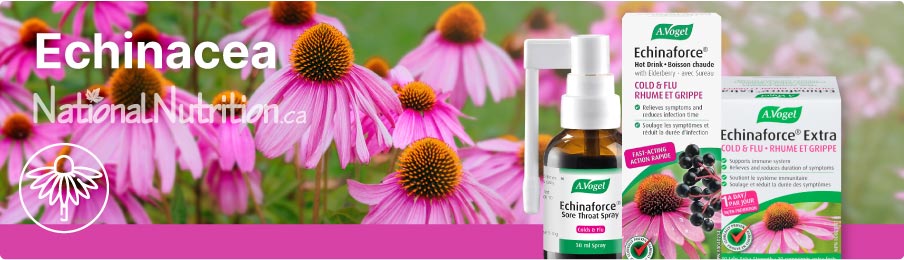
Wellness Blossoms with Echinacea
Learn The Many Health Benefits of Echinacea
Echinacea, or coneflower, is a remarkable genus of flowering plants which has long been renowned for its impressive medicinal benefits and vibrant, daisy-like blooms. These hardy, herbaceous perennials are native to North America and have a rich history of traditional therapeutic use among Indigenous peoples. Read more >-
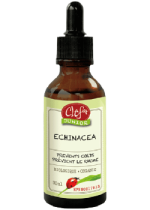
Echinacea glycerite is used mainly to prevent infection in children. As per the North-American tradition, we use echinacea roots to make this extract because they contain more active principles than the aerial parts. This compound by Clef des Champs is particularly efficient because it is made from two species of echinacea, E. purpurea and E. angustifolia, which contain complementary active pri...
+ Earn 12 Reward PointsSale: $12.99
Reg.: $14.75 (Save $1.76)
In Stock
Explore Echinacea Benefits For Good Health
Echinacea, or coneflower, is a remarkable genus of flowering plants which has long been renowned for its impressive medicinal benefits and vibrant, daisy-like blooms. These hardy, herbaceous perennials are native to North America and have a rich history of traditional therapeutic use among Indigenous peoples, notably the Plains Indians who inhabited the central and western regions of the continent.
There are a few varieties of Echinacea, each with unique characteristics and therapeutic properties. The most common species used in medicinal applications are Echinacea purpurea, Echinacea angustifolia, and Echinacea pallida. These varieties each have a distinct chemical composition.
Echinacea purpurea, often referred to as purple coneflower, is the most widely cultivated and researched species. It possesses robust immune-boosting benefits and is commonly used to prevent and alleviate symptoms of cold, flu, and other upper respiratory infections. Echinacea purpurea contains compounds such as alkamides and echinacoside, which have been shown to stimulate the immune system.
Echinacea Angustifolia, on the other hand, is known for its potent immunomodulatory effects. This variety is often used in traditional herbal medicine to address viral infections, wounds, and snake bites. Although less commonly used in herbal medicine, Echinacea pallida (pale purple coneflower) shares many of the same immune-enhancing benefits as its other plant family members.
Health Benefits of Echinacea
- Immune System Support – Echinacea benefits immune health due to its ability to help the body fight off infections, such as the common cold and flu.
- Relief From Cold and Respiratory Infections – Studies have shown that echinacea reduces the severity and duration of colds and upper respiratory tract infections.
- Anti-Inflammatory Properties – Echinacea benefits symptoms of inflammatory conditions due to its anti-inflammatory properties.
- Wound Healing – When applied topically, Echinacea's anti-inflammatory and antimicrobial properties accelerate wound healing and help relieve skin conditions like acne, eczema, and psoriasis.
- Pain Relief – Echinacea has mild pain-relieving properties and can soothe discomfort associated with sore throats and toothaches.
- Antioxidant Effects – Echinacea contains antioxidant benefits which can help protect cells from damage caused by free radicals.
- Allergy Symptom Relief – Echinacea can alleviate allergy symptoms by reducing inflammation and modulating the immune response.
- Antibacterial and Antiviral Effects – Due to echinacea's antibacterial and antiviral benefits, it can be used to help fight off infections.
Who Would Benefit From Echinacea Supplementation?
As we have seen, echinacea offers a number of health benefits, but its advantages are particularly pronounced for those looking to bolster their immune system and combat common respiratory infections. Individuals with weakened immune systems, such as the elderly or those with chronic health conditions, may especially benefit from echinacea's immune-boosting properties. Additionally, people at higher risk of infection due to lifestyle factors or exposure to pathogens, like healthcare workers or frequent travellers, may find echinacea supplementation helpful in reducing the risk of illness.
Echinacea As A Supplement
If you've decided to give echinacea a try, you'll find it's widely available in pharmacies, health food stores, as well as online, in a variety of forms to cater to just about everyone's preferences. It comes in capsules, tablets, tinctures, teas, and topical ointments.
Dosage ranges can vary depending on the form and the product, but a general guideline is typically somewhere in the 300 to 1,000 mg range, to be taken in divided doses throughout the day. The appropriate dose is based on an individual's age, health status, and the intended purpose of use. Speak to a qualified healthcare practitioner if you need guidance on dosing.
Shopping For Quality Echinacea
While generally well-tolerated, some individuals may experience mild side effects such as stomach discomfort, diarrhea, or skin rashes when supplementing with echinacea. Those with allergies to plants in the Asteraceae family, which includes ragweed and marigolds, should be cautious, as they may develop allergic reactions to echinacea.
Echinacea may interact with certain medications, including immunosuppressants and drugs that affect the liver. Those with autoimmune disorders or compromised immune systems should consult a healthcare practitioner before using echinacea, as it can potentially exacerbate their conditions.
Back to Top ↑








