

Marshmallow
Discover How Marshmallow Root Benefits Health
When you think of marshmallows, you likely conjure up images of fluffy, sugary confections roasting over a campfire or melting into a hot cup of cocoa. But did you know these delightful treats are named after a remarkable plant with a rich history and a wide range of medicinal applications? Read more >-
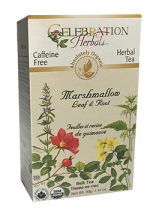
Marshmallow Leaf & Root Tea from Celebration Herbals contains organically grown and prepared marshmallow roots and leaves, to ensure the natural taste and active properties are enjoyed in every cup of tea. This herb has been used for centuries by Hippocrates for its virtues, and has been used as a food in times of famine. Natural health practitioners recommend marshmallow for a variety of needs...
+ Earn 24 Reward PointsSale: $8.79
Reg.: $10.81 (Save $2.02)
In Stock -

Marshmallow Root Tea from Celebration Herbals contains organically grown and prepared marshmallow roots, to ensure the natural taste and active properties are enjoyed in every cup of tea. This herb has been used for centuries by Hippocrates for its virtues, and has been used as a food in times of famine. Natural health practitioners recommend marshmallow for a variety of needs including a sore ...
+ Earn 24 Reward PointsSale: $8.79
Reg.: $10.96 (Save $2.17)
In Stock -
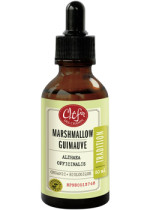
Clef des Champs Organic is a liquid formulation designed to help with demulcent for the respiratory tract. Marshmallow’s familiar slippery, smooth texture has many medicinal purposes, in addition to its role in baking and treat making. It is a demulcent, an agent that coats and protects mucosal surfaces. The active components in Marshmallow are large carbohydrate molecules that form marshmallow...
+ Earn 51 Reward PointsSale: $17.99
Reg.: $19.45 (Save $1.46)
In Stock -

Clef des Champs root cut Marshmallow is 100% organic and comes in the form of a loose tea to be enjoyed 2-4 times a day for maximum benefits. In the respiratory tract, marshmallow decreases coughs, speeds removal of mucus and helps to heal the tract. In the stomach and intestines marshmallow protects the lining from ulceration. Marshmallow also soothes the urinary tract and helps the skin to he...
+ Earn 36 Reward PointsOur Price: $12.50In Stock -

Even the ancient Egyptians enjoyed marshmallow treats, but not the traditional kind found in today's baked goods. Althaea officinalis is a plant native to Europe that produces marshmallow, the root word “althainein” translates from Greek “to heal” and was believed to help with throat ulcers and gastric ulcers. You can enjoy Organic Connections Marshmallow root in your own recipes by boiling it ...
+ Earn 102 Reward PointsSale: $34.99
Reg.: $41.68 (Save $6.69)
In Stock -
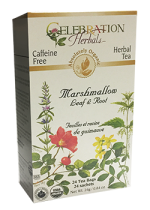
Marshmallow Leaf & Root Tea from Celebration Herbals contains organically grown and prepared marshmallow roots and leaves, to ensure the natural taste and active properties are enjoyed in every cup of tea. This herb has been used for centuries by Hippocrates for its virtues, and has been used as a food in times of famine. Natural health practitioners recommend marshmallow for a variety of needs...
+ Earn 21 Reward PointsSale: $7.99
Reg.: $9.90 (Save $1.91)
Out of Stock
Get Notified When in Stock
-
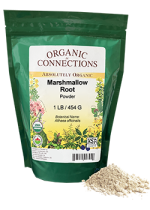
Althaea officinalis gets its name from the Greek word althainein, meaning "to heal." Used throughout history the Marhsmallow Root was caught after to help with throat and gastric ulcers. Unfortunately today many of the marshmallow you find in stores does not contain this healthy herb. Enjoy making your own sweets with this delectable Marshmallow Root Powder. Guaranteed to be 100% Organic, the c...
+ Earn 117 Reward PointsSale: $39.99
Reg.: $48.32 (Save $8.33)
Out of Stock
Get Notified When in Stock
Marshmallow Root: History & Medicinal Uses
When you think of marshmallows, you likely conjure up images of fluffy, sugary confections roasting over a campfire or melting into a hot cup of cocoa. But did you know these delightful treats are named after a remarkable plant with a rich history and a wide range of medicinal applications? Indeed, marshmallow root, known as the Althaea officinalis plant, is a botanical wonder with a fascinating story.
Early Medicinal Uses of Marshmallow Root
The marshmallow plant belongs to the Malvaceae family, which includes hibiscus and okra. It originates from ancient Egypt, where it was highly regarded for its numerous medicinal properties. Marshmallow’s use dates back thousands of years, with its first recorded mentions in the writings of the Greek physician Hippocrates. The Egyptians and other ancient civilizations also prized the roots of the marshmallow plant for its soothing effects, particularly when it came to treating sore throats.
The name "marshmallow" itself is derived from the Arabic word "mush-mallow," which means "to be soft." This name is a testament to the plant's historical use in creating a soft, gel-like substance used to heal wounds, reduce inflammation, and alleviate respiratory discomfort. This preparation was made by boiling the plant's roots and mixing the resulting blend with sugar and honey to create a tasty treat that offered robust medicinal benefits.
Modern Medicinal Applications of Marshmallow Root
In modern herbalism, marshmallow continues to be prized for its unique therapeutic properties, albeit with a more scientific understanding of its benefits. Indeed, research has shown that the marshmallow plant owes its unique medicinal attributes to its high concentration of mucilage – a complex mixture of polysaccharides that forms a gel-like substance when mixed with water. In fact, mucilage can absorb up to 50 times its weight in water, making it ideal for soothing irritated mucous membranes, such as those in the throat and digestive tract.
In addition, marshmallow root contains various polysaccharides, including pectin, which have immunomodulatory and antioxidant properties.
It also contains flavonoids, such as quercetin and kaempferol, alongside tannins with astringent properties that help tighten and tone tissues, providing relief from skin irritations and a variety of digestive ailments. Marshmallow root also contains phenolic acids, including caffeic acid and ferulic acid, amino acids, and a whole range of vitamins and minerals.
Health Benefits of Marshmallow Root
- Enhances Skin’s Appearance
- Promotes Wound Healing/ Helps Prevents Bacterial Infections During The Wound-Healing Process
- Relieves Coughs, Bronchitis, & Other Respiratory Tract Conditions With the Formation Of Mucus
- Soothes Skin Irritation (dermatitis, eczema, furunculosis, etc.)
- Relieves Pain
- Support Tissue Regeneration/ Repairs Gut Lining
Who Should Consider Taking Marshmallow Supplements?
Marshmallow root can benefit a wide range of individuals, including those with digestive problems such as heartburn, acid reflux, and irritable bowel disease (IBD). Those dealing with respiratory issues like coughs, bronchitis, or sore throats due to the cold and flu can also benefit from this herb, as can individuals with skin conditions such as eczema or dermatitis. It’s worth noting that marshmallow root may be used both internally and topically to provide anti-inflammatory and moisturizing effects.
Marshmallow Root Supplement Varieties: Forms and Formats
Marshmallow root is available in various forms, including fresh root, which can be used to make DIY herbal remedies or used in culinary applications. Dried marshmallow root is also available and can be used to make teas, infusions, and decoctions by steeping it in hot water to extract. Additionally, you can find marshmallow root in supplement forms, including capsules, powders, liquid extracts or tinctures, and skin ointments. Marshmallow root is also frequently added to combination blends for respiratory tract health and GI support.
The appropriate dosage for you will be a function of the condition you’re trying to address. Always check dosage recommendations on the product you select.
Potential Side Effects & Important Information
Marshmallow root is typically exceptionally well tolerated. It can, however, cause mild side effects in some. These include mild digestive discomforts, such as diarrhea or upset stomach, although these are relatively rare. Additionally, individuals allergic to plants in the mallow family should avoid marshmallow root.
It's important to note that marshmallow root can affect blood sugar levels, so individuals with diabetes should monitor their blood sugar closely when using it.
Back to Top ↑








