

Slippery Elm
How Can Slippery Elm Support Health?
Slippery Elm (Ulmus rubra) is a member of the elm tree family native to Eastern North America, including regions of the United States and Canada. Native American tribes, including the Cherokee, Choctaw, and Iroquois, were among the first to discover the healing benefits of slippery elm and used it to make all sorts of salves and poultices to treat wounds, burns and inflammatory skin conditions. Read more >-
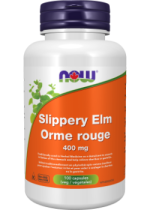
Using the whole herb, NOW® Slippery Elm 400mg helps you support irritation of the stomach and helps relieve diarrhea or gastritis. Slippery Elm, also known as Red Elm, Moose Elm or Indian Elm, is a small North American tree that has been traditionally used by herbalists for over 100 years. It was reportedly used by native North Americans and early settlers as a survival food. Its bark is known ...
+ Earn 14 Reward PointsSale: $14.99
Reg.: $21.27 (Save $6.28)
In Stock -

Slippery Elm, also known as Red Elm, Moose Elm or Indian Elm, is a small North American tree that has been traditionally used by herbalists for over 100 years. It was reportedly used by native North Americans and early settlers as a survival food. Its bark is known for its mucilage constituents, which can help to coat and soothe the tissues of the GI tract. Using the whole herb, NOW® Slippery E...
+ Earn 29 Reward PointsSale: $29.99
Reg.: $43.57 (Save $13.58)
In Stock
Slippery Elm Benefits
Slippery elm (Ulmus rubra) is a member of the elm tree family native to Eastern North America, including regions of the United States and Canada. Native American tribes, including the Cherokee, Choctaw, and Iroquois, were among the first to discover the healing benefits of Slippery elm and used it to make all sorts of salves and poultices to treat wounds, burns and inflammatory skin conditions. Moreover, historical texts tell us that these tribes used slippery elm to make tinctures and decoctions for oral use that they would use to treat GI conditions, sore throats, and infections like the cold and flu.
The inner bark of the slippery elm tree is rich in mucilage, a natural substance with a gel-like texture that is remarkably soothing and emollient. Indeed, mucilage is a type of fibre that forms a gel-like substance when mixed with water. As such, slippery elm can be ingested to coat and soothe irritated tissues in the respiratory, digestive, and urogenital tracts to relieve conditions such as sore throat, coughs, and GI issues, both acute and chronic. Slippery elm mucilage also offers significant benefits in topical applications to alleviate wounds, boils, ulcers, burns, and skin inflammation and promote the healing of tissues.
Today, slippery elm continues to be an essential part of herbal medicine, cherished for its healing properties and is widely used for conditions such as sore throats, coughs, diarrhea, diverticulitis, GERD (gastroesophageal reflux disease), IBS (irritable bowel syndrome), stomach ulcers, and ulcerative colitis, among others.
Top Health Benefits of Slippery Elm
- Aids Weight Loss
- Eases Symptoms Of Digestive Disorders
- Relieves Constipation
- Soothes Sore Throats
- Treats Wounds
Who Should Consider Slippery Elm?
Individuals who may benefit from Slippery Elm include those experiencing gastrointestinal issues like heartburn, indigestion, or irritable bowel syndrome (IBS). Its mucilage content can help soothe and coat the digestive tract, relieving discomfort and allowing tissues to heal. Moreover, people dealing with sore throats or coughs may find slippery elm beneficial, as it can help ease irritation and reduce throat inflammation and irritation. Its gentle nature makes it suitable for all age groups, including children and the elderly.
Slippery Elm Supplement Varieties
The inner bark of the slippery elm tree is the part that is used for medicinal purposes. It is harvested, dried, and used to make all sorts of supplements, including teas, lozenges, capsules, tablets, powders, liquid extracts, and even ointments and salves for topical application.
Slippery email supplements come in a range of potencies, and the right dose for you will depend on the condition you are trying to address and your weight. If you aren't sure how much you should be taking, consult a knowledgeable healthcare practitioner for advice.
Final Considerations
Slippery elm is typically exceptionally well tolerated. However, some individuals may experience allergic reactions, such as itching or swelling, especially if they have a known sensitivity to elm products. Other rare but possible side effects of slippery elm include nausea, headaches, increased frequency of bowel movements and urination, and flu-like symptoms.
It's also worth noting that Slippery elm may interact with certain medications, potentially affecting their absorption or efficacy. If you have a pre-existing medical condition, particularly a gastrointestinal one, it is advisable to consult a healthcare practitioner before incorporating Slippery Elm into your daily regimen.
Back to Top ↑








