

Turmeric (curcumin) – Sourced From Natural Turmeric Root
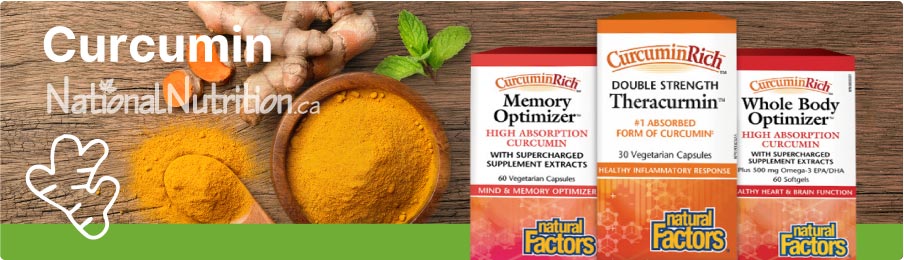
Support Joint Pain Relief & Healthy Inflammation Response
Why Take Turmeric Supplements?
Curcuma longa, or Turmeric, also often called the "Golden Spice," is a vibrant and aromatic herb that has captivated cultures and cuisines worldwide for centuries. With its origins deeply rooted in South Asia, this humble rhizome has not only added flavour to countless dishes but has also played a significant role in traditional medicine. Read more >-
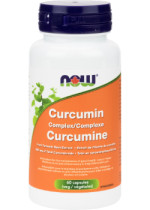
CURCUMIN FROM NOW FOODS Curcumin is the major component of Turmeric (Curcuma longa) and extensive scientific research on Curcumin has demonstrated its potent antioxidant properties. Through its antioxidant mechanisms, Now Foods Curcumin supports colon health, exerts neuroprotective activity and helps maintain a healthy cardiovascular system. [VCAPS]
+ Earn 27 Reward PointsSale: $27.99
Reg.: $39.99 (Save $12.00)
In Stock -
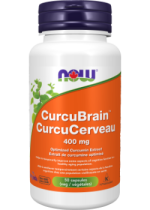
Curcumin is a powerful free radical neutralizer that is known to support balanced immune function, but is also known to have poor bioavailability. NOW® CurcuBrain™ features Longvida® Optimized Curcumin, which in studies exhibits up to 65 times the bioavailability of free curcuminoids compared with generic 95% curcumin. Based on AUC measures (Area Under the Curve, which measures retention) Longv...
+ Earn 49 Reward PointsSale: $49.99
Reg.: $72.33 (Save $22.34)
Out of Stock
Get Notified When in Stock
-
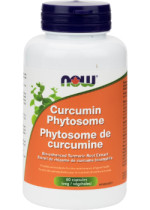
BIO-CURCUMIN PHYTOSOME FOR JOINT MOBILITY AND FLEXIBILITY FROM NOW FOODS Curcumin, the active polyphenolic extract of Turmeric Root, is one of the best scientifically investigated plant compounds. However, Curcumin's health-supporting properties depend on limited oral absorption. NOW Bio-Curcumin Phytosome is a patented Curcumin complexed with phosphatidylcholine that clinically demonstrates i...
+ Earn 29 Reward PointsSale: $29.99
Reg.: $37.99 (Save $8.00)
Out of Stock
Get Notified When in Stock
Turmeric Health Benefits & Uses
Curcuma longa, or Turmeric, also often called the "Golden Spice," is a vibrant and aromatic herb that has captivated cultures and cuisines worldwide for centuries. With its origins deeply rooted in South Asia, this humble rhizome has not only added flavour to countless dishes but has also played a significant role in traditional medicine. The Turmeric plant belongs to the ginger family, Zingiberaceae, of which over 133 species have been identified (40-45 species in India and 30 to 40 in Thailand). All of these species of Turmeric are used in culinary and for medicinal health benefits.
Historically, India has been the largest producer and consumer of Turmeric. Indeed, in traditional Ayurvedic medicine, Turmeric has long been revered for its antibacterial, antioxidant, and anti-inflammatory properties and for its cardioprotective and neuro-supportive effects. Turmeric has also figured prominently in all sorts of cultural and religious ceremonies, including weddings, as a symbol of purity and prosperity.
As one of the most researched medicinal plants, Turmeric has over 12,000 published studies to its name, thanks to its unique biochemical composition, which, perhaps most notably, includes curcuminoids - a type of polyphenol. The most active of these is curcumin, which possesses many health benefits including powerful antioxidant, anti-inflammatory, and antibacterial properties. Below is a more comprehensive (though by no means complete) list of the demonstrated health benefits of Turmeric (and curcumin).
Key Health Benefits of Turmeric
- Aids Blood Sugar Management / Type 2 Diabetes Management
- Alleviates Pain / Reduces Swelling
- Enhances Muscle Recovery
- Fights Infections
- Helps Regulate Cholesterol
- Improves Moods
- Liver Support
- Potent Natural Anti-Inflammatory
- Promotes Skin Health
- Protects Against Neurodegeneration (including Alzheimer’s)
- Improves Digestion
Who Would Benefit From Taking Turmeric?
Those grappling with inflammatory conditions may use turmeric because it offers health benefits for osteoarthritis, rheumatoid arthritis, skin conditions like acne, eczema, or psoriasis, and many others. Individuals seeking relief from indigestion may also find Turmeric helpful since it promotes a healthy digestive system and helps alleviate symptoms such as gas, bloating, stomachache, etc. Moreover, anyone wanting to safeguard their cardiovascular health, enhance their blood vessel function, and improve their blood lipid levels, including cholesterol and triglyceride levels, may be great candidates for Turmeric supplementation.
Last but by no means least, Turmeric's demonstrated neuroprotective qualities may be attractive to those wanting to protect their brains and cognitive function - perhaps most notably, those with a family history of dementia or any other form of neurodegeneration.
Turmeric Supplements: Forms, Formats & Potencies
Turmeric can be purchased as a fresh rhizome, commonly used in Indian cuisine. It can be sliced and added to food, as well as can be boiled and brewed into a soothing tea. The dried form of Turmeric, ground into a fine powder, is a staple in spice racks worldwide, adding depth to dishes lending its signature hue and imparting some of its therapeutic effects. Of course, Turmeric is also widely available in supplement form, including capsules, softgels, tablets, liquid extracts, and tinctures. It is also available in chewable gummies for those who dislike swallowing pills.
Given the staggering number of studies that have been performed on Turmeric in the last couple of decades, it should come as no surprise that there is an equally staggering number of Turmeric options on store shelves. To ensure you get a high-quality, bioavailable supplement, look for one with a high percentage of curcumin, preferably standardized to contain at least 95% curcuminoids. Also, ideally, choose one that includes black pepper extract (piperine) to enhance absorption further. Also, check the source and quality of the Turmeric. It should be organic to minimize exposure to pesticides and other contaminants. Finally, choose supplements that have undergone third-party testing for quality and purity.
Final Considerations & Potential Cautions
While generally well tolerated, certain individuals may experience side effects with Turmeric supplements, including gastrointestinal issues like nausea, diarrhea, or indigestion, particularly when taken in large doses. Individuals with gallbladder problems should also exercise caution, as Turmeric may exacerbate these conditions. Turmeric can act as a blood thinner, so people with bleeding disorders or those taking blood-thinning medications should consult their healthcare provider before incorporating it into their routine. Finally, pregnant and breastfeeding women are advised to speak to their healthcare practitioner before using Turmeric supplements, as their safety in these situations is not well-established.
Back to Top ↑








