

Slice Of Life Adult Gummy Vitamin C - 60 Gummies - Hero Nutritionals

We're sorry, we no longer carry this item.
Check These out
Suggested, Similar, & Related Products:

Sale: $14.99
Reg.: $19.99 (Save $5.00)
(Click Add to Select Bonus)
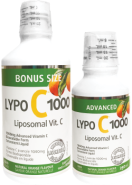
Sale: $39.99
Reg.: $59.99 (Save $20.00)
(Click Add to Select Bonus)
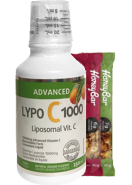
Sale: $19.99
Reg.: $29.99 (Save $10.00)
(Click Add to Select Bonus)
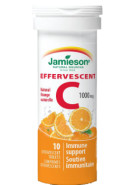
Sale: $3.49
Reg.: $3.99 (Save $0.50)
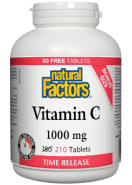
Sale: $17.99
Reg.: $27.99 (Save $10.00)
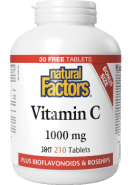
Sale: $17.97
Reg.: $24.99 (Save $7.02)
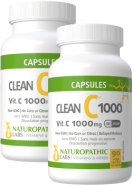
Sale: $16.99
Reg.: $49.99 (Save $33.00)
(Click Add to Select Bonus)
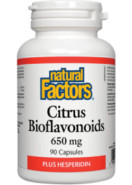
Sale: $10.99
Reg.: $14.99 (Save $4.00)
Sale: $59.95
Reg.: $73.75 (Save $13.80)
Or, Shop our Latest Deals:
Shop Now >- 0 g
- Trans Fat
- 3 mg
- Sodium
- 20 mg
- Pomegranate
- 0 g
- Total Fat
- 22
- Calories
- 250 mg
- Vitamin C (as Ascorbic Acid)
- 5 g
- Total Carbohydrates
- 4 g
- Sugars
Glucose syrup, natural cane juice, gelatin, citric acid, actic acid, natural color (annatto), natural flavor (orange), fractionated coconut oil and carnauba wax to prevent sticking.
Free of: Yeast, wheat, milk, egg, soy, gluten, salt, peanuts, tree nuts, shellfish, artificial colors, artificial flavors, salicylates and preservatives.
 Gummies
60 Gummies
Take two per day.
- Easy to chew & swallow
- All Natural Colors & Flavors
- Allergen & Gluten Free
- Tasty, fun & colorful
- boost immune system health
- Daily supplement

- Reviews
- POST A NEW REVIEW
Vitamin C is the most widely used supplement. Humans cannot manufacture their own vitamin C; therefore it must be taken in through the diet. Vitamin C is a water-soluble antioxidant that is used all over the body. It speeds tissue growth and repair, supports hormone production, increases immune system functioning, protects the body from toxins and prevents cancer. It also regulates cholesterol, blood pressure and blood clotting.
Ascorbic Acid
There are several types of vitamin C. Ascorbic acid is the basic form. To buffer the natural acidity of vitamin C manufacturers can bind it to other molecules. Two examples are calcium ascorbate (Ester-C) and ascorbyl palmitate. It also makes vitamin C easier for the body to absorb and decreases the loss of the vitamin through the urine. This increases the cost of the supplement but it is beneficial to those taking high doses of vitamin C and those who cannot tolerate acidic substances.
Dosage
Vitamin C comes in a variety of dosage forms including conventional pills, time-released tablets, syrups, powders and chewable tablets. A qualified practitioner can even administer it intravenously. Vitamin C is usually derived from corn or dextrose but tapioca-sourced C is also available. Vitamin C is often combined with bioflavinoids like hesperidin and rutin. These substances work synergistically with Vitamin C. Rose hips are a good substitute for straight vitamin C because they are the richest natural source of vitamin C. Rose hips are also a good source of bioflavinoids. Vitamin C is lost in the urine only a few hours after it is taken so frequent dosing is important.
When Do You Need More Vitamin C?
Vitamin C needs are increased if you use oral contraceptives, antidepressants, analgesics, anticoagulants, steroids or alcohol. Cooking, light, oxygen, tobacco smoke and carbon monoxide destroy Vitamin C. Vitamin C supplements should be taken away from ginseng. Some diabetic medications and sulfa drugs may be less effective when taken with vitamin C. Cancer patients undergoing treatment should seek advice regarding vitamin C supplementation.
Back to Top ↑








