

Bach Flower Remedies
How Can Bach Flower Remedies Help?
Developed by Dr. Edward Bach in the early 20th century, Bach Flower Remedies have captured the attention of alternative medicine enthusiasts and continue to be celebrated for their gentle yet powerful impact on emotional and mental health. Read more >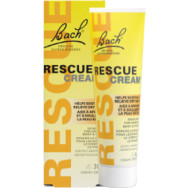
Bach Flower Remedies
Developed by Dr. Edward Bach in the early 20th century, Bach flower remedies have captured the attention of alternative medicine enthusiasts and continue to be celebrated for their gentle yet powerful impact on emotional and mental health.
Dr Edward Bach, a British physician, bacteriologist, and homeopath, began his journey into natural healing in the 1920s. Dissatisfied with the limitations of conventional medicine, he sought to explore more holistic approaches. Bach firmly believed that emotional imbalances were at the root of many physical ailments, leading him to search for natural remedies to restore emotional equilibrium.
Bach flower remedies are derived from the essence of wildflowers, plants, and trees. The preparation process involves exposing these natural elements to sunlight, allowing their energy to be transferred to water. This infusion is then mixed with alcohol to create the final remedy. While skeptics may question the scientific validity of such a process, there is no denying that the energetic imprint left by the plants positively influences the human psyche.
Origins Of Bach Flower Remedies
Central to Bach's philosophy was the idea that emotional and mental imbalances could manifest as physical ailments. The 38 remedies he identified are each associated with a specific emotional state or personality trait. By addressing the root cause of emotional disharmony, Bach Flower Remedies are thought to activate the body's natural healing mechanisms, resulting in improved overall health.
Over the years, these remedies have been used to alleviate a wide range of emotional issues, from stress and anxiety to feelings of loneliness and despair. Interestingly, Dr. Bach was known to have a deep connection with nature, often choosing remedies intuitively and spending extensive time in the countryside to find the perfect healing plants.
Bach Flower Remedies are still used by many holistic health practitioners, often in conjunction with other therapies, to address one of the seven psychological causes of illness: fear, uncertainty, insufficient interest in present circumstances, loneliness, oversensitivity to influences and ideas, hopelessness, or despair and overcare for the welfare of others. Patients are prescribed a particular remedy according to an acute problem, and this protocol will then be tailored and tweaked throughout therapy, over weeks or months, until homeostasis is reached and symptoms have resorbed.
Types Of Bach Flower Remedies
There are plenty of bach flower remedies available for emotional support and overall well being, here are some familiar remedies:
- Agrimony - for mental torture behind a cheerful face
- Aspen - for fear of unknown things
- Beech - for intolerance
- Centaury - for the inability to say no
- Cerato - for lack of trust in one's own decisions
- Cherry Plum - for fear of the mind giving way
- Chestnut Bud - for failure to learn from mistakes
- Chicory - for selfish, possessive love
- Clematis - for the dreamy, absent-minded person
- Crab Apple - for the cleansing remedy, self-hatred
- Elm - for overwhelmed by responsibility
- Gentian - for discouragement after a setback
- Gorse - for hopelessness and despair
- Heather - for self-centeredness and self-concern
- Holly - for hatred, envy, and jealousy
- Honeysuckle - for living in the past
- Hornbeam - Bach Flower remedy for tiredness at the thought of doing something
- Impatiens - for impatience
- Larch - for lack of confidence
- Mimulus - for fear of known things
- Mustard - for deep gloom with no apparent reason
- Oak - for the plodder who keeps going past the point of exhaustion
- Olive - for exhaustion following mental or physical effort
- Pine - for guilt
- Red Chestnut - for over-concern for the welfare of loved ones
- Rock Rose - for terror and fright
- Rock Water - for self-denial and rigidity
- Scleranthus - for inability to choose between alternatives
- Star of Bethlehem - Bach Flower remedy for shock
- Sweet Chestnut - for extreme mental anguish when everything has been tried, and there seems to be no light at the end of the tunnel
- Vervain - for over-enthusiasm
- Vine - for dominance and inflexibility
- Walnut - for protection from change and unwanted influences
- Water Violet - for pride and aloofness
- White Chestnut - for unwanted thoughts and mental arguments
- Wild Oat - for uncertainty over one's direction in life
- Wild Rose - for resignation and apathy
- Willow - for self-pity and resentment
Plus the popular supplement, Rescue Remedy, which combines five different Bach Flower Remedies, including Star of Bethlehem, Rock Rose, Impatiens, Cherry Plum, and Clematis. It provides emotional support in times of stress, anxiety, or crisis. Rescue Remedy is ideal in situations like exams, public speaking, or before flying to help manage nervousness and anxiety.
Considerations & Potential Side Effects
Bach Flower Remedies can be purchased in health food stores and supplement retailers as well as online. Some naturopaths, homeopaths, herbalists, chiropractors, and acupuncturists also see them.
Bach Remedies typically come in liquid drop form. They can be dosed directly on the tongue or mixed into a glass of water and drunk. The dosage will vary depending on the remedy and the individual, but most people will be required to take several drops a few times daily.
Some remedies are also available in pill form, sprays, ointments, and bath salts. There is also a remedy made just for pets called Rescue Pet, which is an alcohol-free flower essence intended to support your pet’s emotional balance and healthy behaviour.
Back to Top ↑








