

Antibiotic Support Supplements
Understanding How Antibiotics Impact Your Health
Bacteria are microscopic, single-celled organisms that play a significant role in various ecological processes, including nutrient cycling, but they can also threaten human health. While many bacteria are harmless or even beneficial, others can cause infections in humans. Read more >-
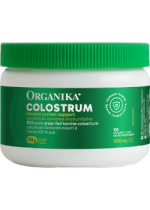
Support your daily wellness with Organika Colostrum, a nutrient-rich powder sourced from grass-fed cows. Naturally containing immune-supporting compounds like immunoglobulins and prebiotics, it helps support immune function, including upper respiratory health, while promoting gut balance. This versatile formula also contributes to the maintenance of bones, connective tissue, and muscles, and pr...
+ Earn 51 Reward PointsSale: $51.49
Reg.: $56.99 (Save $5.50)
Out of Stock
Get Notified When in Stock
Discover How Antibiotics Help Your Immune Health
Bacteria are microscopic, single-celled organisms that play a significant role in various ecological processes, including nutrient cycling, but they can also threaten human health. While many bacteria are harmless or even beneficial, others can cause infections in humans. Pathogenic bacteria are responsible for illnesses ranging from minor skin infections to severe, life-threatening diseases. Thankfully, antibiotics are here to help your immune health.
Exploring Your Immune Response to Bacterial Infections
Inflammation is a complex and highly orchestrated biological response crucial to the body's defence against bacterial infections. When harmful bacteria invade tissues, the immune system triggers a cascade of events aimed at neutralizing and eliminating the threat. This orchestrated response involves activating immune cells, such as macrophages and neutrophils, which release signalling molecules like cytokines and chemokines.
These mediators recruit more immune cells to the site of infection, enhancing the local defence mechanism. Additionally, blood vessels dilate, allowing more immune cells to reach the infected area. While inflammation is essential for neutralizing bacterial invaders, an excessive or prolonged inflammatory response can damage tissues. The delicate balance between an effective defence mechanism and potential harm underscores the intricate nature of the body's immune response to bacterial infections.
The Conventional Approach To Bacterial Infections – Antibiotics
The discovery of antibiotics marked a revolutionary milestone in the field of medicine. It significantly transformed the course of human health, as the substance demonstrated the ability to combat bacterial infections; antibiotics help protect your immune and overall health. This breakthrough ushered in the antibiotic era, fostering the creation of many antibiotics that fundamentally altered the outlook on infectious diseases and contributed to the expansion of modern medicine and helping safeguard immune health.
Understanding How Antibiotics Work & Why Helping Your Immune System Is Important
Antibiotics, of course, are substances that kill or inhibit the growth of bacteria through various mechanisms:
Inhibition of Cell Wall Synthesis – Some antibiotics, like penicillin, prevent bacteria from building a sturdy cell wall, leading to cell lysis.
Disruption of Protein Synthesis – Others, such as tetracycline, interfere with the bacteria's ability to produce essential proteins, hindering their survival and reproduction.
Inhibition of Nucleic Acid Synthesis – Certain antibiotics, like ciprofloxacin, target the bacteria's ability to replicate DNA, disrupting their ability to proliferate.
While it is undeniable that antibiotics have revolutionized medicine, their overuse and misuse in the last decade or two present significant challenges:
Problems Associated with Antibiotic Use
Antibiotic Resistance: Prolonged or inappropriate use of antibiotics (not completing a prescribed round of antibiotics, for instance), can lead to the development of antibiotic-resistant strains of bacteria, rendering many drugs ineffective.
Disruption of Microbiome: Antibiotics disturb the balance of beneficial bacteria in the body, leading to issues such as diarrhea. In fact, according to statistics, more than a third of patients taking antibiotics develop diarrhea. Severe diarrhea is caused by aggressive antibiotic-resistant strains of a bacteria known as C. diff., which is also fairly frequent (17% of patients), as is increased susceptibility to secondary infections.
Allergic Reactions: Some individuals may experience allergic reactions to antibiotics, ranging from mild rashes to severe anaphylaxis. Those who have experienced an allergic reaction to an antibiotic should never reattempt its use.
Natural Antibiotic Support Solutions To Help Immune Health
While antibiotics continue to play an important role in modern medicine, it has become increasingly clear that they can negatively affect our gut microbiome. Fortunately, research has shown that taking probiotics alongside antibiotics can help to reduce adverse effects on your gut microbiome and, ultimately, help bolster immune function.
For maximum efficacy, it’s important to choose probiotic strains that have undergone clinical trials and proven their ability to survive in the gut when administered alongside antibiotics. The greater the presence of beneficial bacteria in the gastrointestinal tract, the more you reduce your risk of encountering digestive problems such as diarrhea.
Look for clinically studied strains that have been shown to be effective at restoring the gut microbiome. These include strains like Bacillus coagulans, Saccharomyces boulardii, Bacillus subtilis, Lactobacillus plantarum, Bacillus clausii, and others.
Shopping For Quality Antibiotic Supplements To Help Immune Health
When purchasing a probiotic supplement, it's important to consider a few factors:
Brand Reputation: Opt for well-established, reputable dietary supplement brands with easily accessible customer reviews.
CFU Count: Probiotic supplements are measured in Colony Forming Units (CFUs). Aim for 5–10 billion CFUs daily for children and 10–50 billion CFUs for adults.
Stability: Some probiotic strains require refrigeration for potency preservation, but shelf-stable options with soil-based organisms may be more effective, as many refrigerated probiotics may not survive the stomach.
Some of the better probiotic brands on the market include Naturopathic Labs, Natural Factors, Pure Encapsulations, AOR, NOW, New Roots, and others.
Back to Top ↑








