

Echinacea - Imune Support in Liquid, Spray & Tablets

Wellness Blossoms with Echinacea
Echinacea: An Herbal Powerhouse For Immune Health
Native to North America, Echinacea, also known as coneflower, is a genus of flowering plants in the Daisy family. Three primary species of echinacea are used for medicinal purposes: Echinacea purpurea, Echinacea angustifolia, and Echinacea pallida. Each species has slightly different chemical profiles and distinct medicinal applications. Read more >-
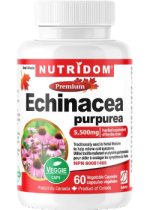
Nutridom Echinacea Purpurea Capsules provide 550 mg of high-quality Echinacea per capsule, offering a convenient way to support overall wellness. GMO-free and third-party tested, this supplement is free from gluten, dairy, soy, eggs, and corn. Traditionally used for its immune-supportive and antioxidant properties, Echinacea purpurea may help maintain general health and well-being. Encapsulated...
+ Earn 20 Reward PointsSale: $20.99
Reg.: $26.81 (Save $5.82)
In Stock
Discovering Echinacea: Nature’s Immune Booster
Native to North America, echinacea, also known as coneflower, is a genus of flowering plants in the Daisy family. Three primary species of echinacea are used for medicinal purposes: Echinacea purpurea, Echinacea angustifolia, and Echinacea pallida. Each species has slightly different chemical profiles and distinct medicinal applications. By all large; however, all echinacea species are renowned for their immune booster properties.
Echinacea plants have a rich history of use in folk remedies among indigenous communities and remain cherished in modern herbal medicine. Indigenous peoples of North America, particularly the Plains Indians, used echinacea in various therapeutic applications. Native tribes, such as the Cheyenne and Lakota, relied on echinacea to remedy ailments ranging from respiratory infections to snakebites. European settlers later adopted echinacea, incorporating it into their own medicinal practices.
Biochemical Composition Of Echinacea
The medicinal effects of echinacea can be attributed to its complex biochemical composition. Indeed, the plant contains a variety of bioactive compounds, including caffeic acid, alkamides, phenolic acids, rosmarinic acid, polyacetylenes, and many more. These constituents impart echinacea with its unique and robust immunomodulatory effects, which help protect the body against all sorts of infections.
Top Health Benefits of Echinacea on Immune Health
Echinacea is known first and foremost for its ability to stimulate the immune system. In fact, studies have shown that it can enhance the activity of white blood cells by stimulating the production of antibodies and other immune mediators. Below are some of echinacea's most celebrated health benefits:
- Antiviral Properties
- Boosts Immune Function
- Downregulates Inflammation (Anti-Inflammatory)
- Helps Reduce The Duration & Severity Of Cold And Flu Symptoms
- Pain Reliever
- Rich In Antioxidants
Who Should Consider Taking Echinacea to Boost Immune Health?
Those who may benefit from echinacea include individuals seeking a natural immune booster and anyone hoping to reduce the severity and duration of a cold, flu, or upper respiratory infection. People who are susceptible to seasonal illnesses or those looking for complementary approaches to support their immune health are also great candidates for echinacea supplementation. As a bonus, studies suggest that echinacea may help lower blood sugar levels, adding yet another protective health benefit for individuals seeking to bolster their immune function and overall health and wellness along the way.
Echinacea Supplements – Forms, Formats & Dosing
The flowers and roots of the echinacea plant are both used in supplements for their immune boosting properties. They can be purchased in a wide range of delivery formats, including tablets, tinctures, extracts, and teas, according to preference.
There is currently no official dosage recommendation for echinacea, so it's important to always follow the instructions on the product's label. Below are some standard dosages:
Dried Herb or Tea:
1 to 2 g of dried echinacea herb per cup of boiling water.
Steep for 10 to 15 minutes and drink up to three times daily.
Tincture:
2 to 4 mL (approximately 40 to 90 drops) of echinacea tincture three times a day. It’s worth noting that tinctures will vary in concentration.
Capsules or Tablets:
Typical recommendations might be around 300 to 500 mg three times a day.
Cautions & Considerations When Taking Echinacea
Even though echinacea is generally well tolerated and causes few side effects, it's important to be aware of potential side effects and contraindications.
Some people may experience mild allergic reactions, such as rash or itching, and gastrointestinal upset, like nausea or diarrhea. Individuals with allergies to plants in the Asteraceae family, which includes ragweed and marigolds, may be more prone to such reactions. Additionally, long-term use or excessive doses of echinacea may lead to liver-related concerns. Moreover, individuals with autoimmune disorders or those taking immunosuppressive medications should exercise caution, as echinacea can potentially overstimulate the immune system.
Back to Top ↑








