

- 720
- Calories
- 8g
- Fat
- 2g
- saturated
- 0g
- trans
- 0mg
- Cholesterol
- 530mg
- Sodium
- 600mg
- Potassium
- 120g
- Carbohydrates
- 13g
- fibre
- 1g
- sugars
- 42g
- Protein
- 135mg
- Calcium
- 14mg
- Iron
Pea starch, Fermented pea protein isolate, Organic sprouted brown rice protein concentrate, Brown rice flour, Cacao, Modified coconut oil, Inulin, Organic spirulina, Organic kale, Organic spinach, Organic coconut oil, Organic sunflower seed oil, Flax seed oil, Organic sprouted amaranth, Organic sprouted quinoa, Organic sprouted millet, Organic sprouted pumpkin seed, Organic kombu, Organic dulse, Organic nori, Tart cherry, Bitter melon, Pineapple, Papaya, Cinnamon, Ginger, Beet root, Xanthan gum, Natural and organic flavours, Organic stevia leaf extract, Himalayan sea salt
Take a few hours before or after taking other medications. No artificial flavours or colours. Sweetened with organic stevia leaf. Gluten free.
 Powder
2.5kg
Mix 2 scoops with 600 ml of rice or almond milk, or the beverage of your choice. Enjoy any time of day.
- 42g of Non-GMO plant based protein
- 720 calories, 12g of fibre and 1g of sugar
- Remarkably smooth and creamy taste
- 2.85:1 carbohydrate to protein ratio
- Tested for banned substances
- Helps to build strong muscles and repair body tissues

Vegan Supplements for Training, Fitness & Wellness
If you love to push yourself to your known limits and embrace the wisdom and power of plant-based nutrition, then Iron Vegan is for you. Iron Vegan Sprouted Protein delivers 17g of organic plant-based protein per serving, 5 Non-GMO, raw, sprouted grains and seeds, a complete profile of essential amino acids with no artificial flavours or colours. Read more >- Reviews
- POST A NEW REVIEW
Reviews By Rating
helpful votes
1
1 customers found this product review helpful
GLUTAMINE
Glutamine is the most abundant amino acid found in the body, and it is called "non-essential" because glutamine can be biosynthesized by the body from other amino acids. Just because it is non-essential does not mean that the body cannot benefit from its supplementation. Outside of its use in sports nutrition, it is especially useful for healing the gut lining in cases of leaky gut.
Glutamine is also often used for promoting faster muscle recovery after strenuous exercise, and increased lean muscle growth. There are a number of other benefits reaped from the supplementation of glutamine.
Glutamine's Role
Glutamine is depleted by stress, physical injuries and inflammation, particularly in areas like the intestine. It promotes muscle growth (anabolism), and stops the catabolism (break down) of muscle caused by the stress hormone cortisol. Glutamine can also act as an alternative fuel source for the brain when glucose is not readily available.
Muscle Building (Anabolic)
The promotion of lean muscle mass is glutamines most well-known quality. Athletes have been using glutamine as a performance-enhancing supplement for many years. Medically, glutamine can rebuild lean tissue following periods of convalescence, surgery or after muscle wasting illnesses.
How can I take glutamine?
The biologically active and absorbable form of glutamine is L-glutamine. It is commonly found as a powder or in capsule form. Keep glutamine powder dry to prevent its degradation. It is often added to protein powders or other supplements to enhance athletic performance. The dose of L-glutamine depends on the required effect and can range from 1.5 – 12g daily.
Branched Chain amino acids [BCAAs]
This group of amino acids: valine, leucine, and isoleucine are essential amino acids that contain branched side groups. They have been shown to help prevent the painful lactic acid build up during strenuous exercise that causes stiffness the morning after, also known as delayed onset muscle soreness (DOMS).
Dosage
Dosage recommendations for BCAA's vary widely and more research is required. Recent studies have used dosages ranging from 200-300mg of each of valine, leucine and isoleucine daily to 2-5 grams of each per day. Research indicates that the smallest beneficial dosage of BCAA's is 150mg of each leucine, isoleucine, and valine per day, although studies generally include leucine in a higher ratio to the other two (Eg. 50% leucine, 25% valine, 25% isoleucine).
Safety
Supplementation of BCAA's has been tested up to between 10 and 30g a day without negative effects being observed for a time period of up to 6 months. The long-term effects of BCAA supplementation have not yet been studied. It should be noted that excessive supplementation with certain amino acids such as lysine can reduce the prevalence of other amino acids, such as arginine in the body which may have unintended effects.
PROTEIN
Protein is one of the most important building blocks in our bodies ...Whey, soy, rice , hemp, and peas are all great sources of protein, depending on your individual needs and sensitivities.
Protein is second most abundant substance in our body; it is second only to water. Protein makes up much of the structure of our body, including: our muscles, ligaments, tendons, bones, organs, glands, nails, and hair. It also makes up the vast majority of the molecules that allow our bodies to function and regulate itself. Protein is required for: cell signaling molecules, hormones, transport molecules and most enzymes in our bodies, including our digestive enzymes. Without sufficient protein, our bodies cannot function properly.
What is protein?
Proteins are composed of building blocks called amino acids. These subunits are linked together by peptide bonds to form chains that can be straight lines, or branched like the sub-branches on a tree. When we eat protein the body must break these peptide bonds in the digestive tract using proteases. Then single amino acids, or amino acids in short chains (called peptides), are absorbed through the gut, into the body, where they are used as building blocks to create whatever protein the body needs.
Protein Requirements
According to the Canadian Dietary Reference Intake guidelines: sedentary adult women require 46 grams of protein per day, while sedentary adult males require 56 grams to avoid deficiency. This is just the amount to prevent protein malnutrition. Athletes and individuals who are physically active at work or play will all require additional protein to repair their tissue and build more lean muscle. In general, the daily intake recommendation is between 1.5 and 2 grams of protein per kilogram of body weight for fairly active people. This is around 125g of protein per day for a 70kg (155lb) person.
Protein Powders
Protein powders can be used for many different health and performance enhancing purposes. There are a large variety of readily available protein supplements and protein processing techniques. The six main supplemental sources are: whey, hemp, soy, rice and pea, although other sources are occasionally used in some supplements. Higher quality formulas use superior processing techniques, and avoid binders, fillers, artificial flavorings and sweeteners. Be sure to check the ingredients on the label of your protein supplement.
Back to Top ↑

-
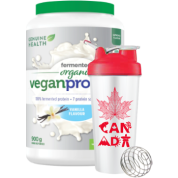
Fermented Organic Vegan Proteins+ (Vanilla) - 900g + BONUS
Sale: $58.99
Reg.: $73.99 (Save $15.00)
-

Legends Of China Green Tea - 100 Tea Bags
Sale: $9.99
Reg.: $12.99 (Save $3.00)
-

Baby Oral Pain Relief - 125 Tabs
Sale: $11.99
Reg.: $14.99 (Save $3.00)












