

Green Tea Phytosome - 30 Caps - Jamieson

We're sorry, we no longer carry this item.
Check These out
Suggested, Similar, & Related Products:
Sale: $29.99
Reg.: $38.99 (Save $9.00)
(Click Add to Select Bonus)
Sale: $69.97
Reg.: $89.99 (Save $20.02)
(Click Add to Select Bonus)
Sale: $39.99
Reg.: $59.99 (Save $20.00)

Sale: $67.33
Reg.: $84.16 (Save $16.83)
(Click Add to Select Bonus)
Sale: $17.99
Reg.: $27.99 (Save $10.00)
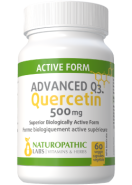
Sale: $26.99
Reg.: $39.99 (Save $13.00)
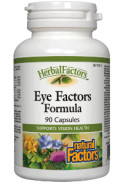
Sale: $10.99
Reg.: $14.49 (Save $3.50)
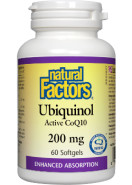
Sale: $68.97
Reg.: $79.99 (Save $11.02)
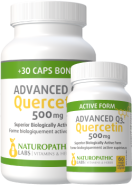
Sale: $34.99
Reg.: $64.99 (Save $30.00)
(Click Add to Select Bonus)
Or, Shop our Latest Deals:
Shop Now >- 100mg
- Green Tea Phytosome™ Complex
- 33 mg
- GreenSelectTM Green Tea (Camellia sinensis, leaf)
- standardized to 60% polyphenols and 40% EGCG Phosphatidylcholine (Glycine max, soybean)
- 67 mg
- Green Tea (30:1) extract (Camellia sinensis, leaf)
- 40 mg equivalent to 1.2 g of raw herb, standardized to 50% EGCG
No salt (NaCl), sugar, starch, gluten, lactose, artificial flavours or preservatives. Consult a health care practitioner prior to use if you have a liver disorder or develop symptoms of liver trouble (e.g. abdominal pain, dark urine or jaundice), if you have an iron deficiency, or if you are pregnant or breast-feeding.
 Capsules
30
Take 2 capsules daily with a meal. Consult a health care practitioner for use beyond 3 months.
- A specialized green tea supplement in a phytosome complex for enhanced absorption
- Supports healthy weight management
- Promotes heart health
- Protects against cell damage and aging
- Source of antioxidants

Jamieson Supplements for Whole-Family Health & Wellness
Jamieson has consistently been voted Canada’s most trusted brand of vitamins. Jamieson vitamins and supplements most popular natural health products include Jamieson probiotic, multivitamin, Jamieson vitamin C, Omega 3 and D3, plus many more! They provide consumers with the purest, safest and most effective natural health solutions available. Shop Jamieson right here at National Nutrition.ca Read more >- Reviews
- POST A NEW REVIEW
GREEN TEA
Green tea is the dried leaves of the same tea plant (Chamellia sinensis) that gives us the popular black tea...
The difference is that black tea is fermented to produce the characteristic flavour and this process destroys most of its medicinal benefits. Green tea's catechins have been well studied, and EGCG (epigallocatechin gallate) in particular has become a household name. Green tea also contains L-theanine, an amino acid that promotes relaxed brain waves in humans. At the same time, green tea contains some caffeine and nutrients that help to boost mental-alertness. This helps to explain why green tea helps to improve presence of mind while still having a calming effect.
How is green tea different from matcha?
Matcha actually is green tea that has been processed differently than other green tea. Matcha is purified and powdered so that when it is taken as tea or in food, the entire leaf is ingested. Green tea on the other hand consists of dried leaves steeped in hot water. This releases only some of the constituents and leaving many others still trapped in the leaves. As such, taking in matcha can provide you with the complete benefits of the nutritional and medicinal properties of green tea that simple steeping may miss.
Cardiovascular Benefits
Green tea has many benefits for cardiovascular health. Intake of green tea is shown to decrease levels of LDL cholesterol, which is responsible for cholesterol plaques and the storage of fat, and triglycerides. Green tea also increases levels of HDL cholesterol, which is responsible for moving stored fat to the liver for processing and excretion from the body. HDL cholesterol protects against plaque formation. It also improves blood circulation and decreases inflammation in vessels. Thus green tea can be used to help prevent stroke and heart attack. The polyphenols are also antioxidants, protecting cells from oxidative damage by free radicals. Free radicals are unstable molecules with an unpaired electron that are extremely reactive and damage surrounding cell membranes, fats, and fat-soluble vitamins and nutrients.
Anti-arthritis and Bone Health
Recent research has shown the EGCG in green tea to be anti-inflammatory and effective for preventing joint degeneration in arthritis, and long-term consumption of green tea has been linked with decreased bone loss and reduced osteoporosis in the elderly.
Anti-aging and Skincare
Free radical damage is a major cause of the physical signs and symptoms of aging. Because of this, many natural health practitioners may also recommend green tea for many age-related diseases due to its anti-oxidant power. Because of these strong antioxidant effects, manufacturers have begun adding green tea extract to a number of cosmetic products as well to help protect the skin against the visible signs of aging. The catechins in green tea are also anti-bacterial and anti-viral, thus helping to protect drinkers against infection.
Weight Loss
Green tea is high in catechins, and increased catechin intake (270-1200mg per day) over a period of at least 12 weeks has been shown to increase the metabolic rate, reduce body fat, and improve overall weight loss. It appears that the caffeine in green tea has a synergistic effect to improve these outcomes.
Digestive Aid
Green tea has been used for thousands of years in Asia as a digestive. Many people believe that having a cup of green tea after a mean can aid in digestion. It can also help to reduce intestinal gas and offer support for digestive disorders such as Crohn's disease and ulcerative colitis. More research is needed on this.
How do I take it?
Simply drinking a cup of tea made by steeping a bag of green tea in a cup of boiling water for 1-3 minutes will provide you with many of the medicinal benefits of green tea. Avoid adding milk products to green tea, as these significantly lower the antioxidant status. Each cup contains approximately 80mg of catechins, and it is recommended that you drink anywhere from one to ten cups a day depending on the effects you seek. See our article on matcha for a way to get 10 cups of green tea at once!
There are many types of green tea beverages: bagged or loose leaves, organic and non-organic, caffeinated and decaffeinated products, and so on. Green tea may also be combined with other herbs or flavours (i.e. lemon, peach, jasmine) and appear in commercial beverages. If purchasing commercial green tea drinks, it is important to check the label to see how much of it (if any) is actual green tea. If you want to avoid drinking green tea itself, supplements are found as encapsulated herb or tablets. Green tea supplements should be standardized as an assurance of the amount of polyphenols they contain (standardized to 50-97% polyphenols including at least 50% EGCG). You can find green tea extract in combination products for cholesterol control, heart health and anti-aging as well.
Is decaffeinated green tea better for me?
The caffeine in green tea is actually called "theine" and is more slowly absorbed than the caffeine in a cup of coffee. At the same time, green tea does contain a relatively high dose of caffeine, which can cause side-effects and interact with certain medications. Decaffeinated green tea and green tea supplements have less contraindications and side effects associated with their use. However one must consider that the decaffeinating process may add chemical residues into the leaves, and remove some of the medicinal constituents as well. The form and amount of green tea that is best for you depends on your personal medical history and any medications that you may be on. Please consult with your healthcare provider for further details.
Green Tea– QUICK FACTS
PARTS USED
· Leaves.
APPLICATIONS
· Antioxidant, cardiovascular disease, high cholesterol, infections, arthritis, aging, osteoporosis.
OPTIMUM DOSAGE
· 3-10 cups of green tea per day, or supplement 250-500mg daily, standardized to 50-97% polyphenols including at least 50% EGCG. (Clinical doses may be higher as recommended by your practitioner).
WORKS WELL WITH
· Other antioxidants such as vitamin C, vitamin E, selenium, and coenzyme Q10.
IMPORTANT INFORMATION
· Decaffeinated green tea supplements may be better for those with certain medical conditions or those taking certain medications.
· Green tea should not be used with stimulants, blood thinners, by individuals with blood disorders or a decreased ability to clot.
· Green tea should be discontinued 2 weeks prior to surgery or dental work.
· Do not add milk to green tea as it can lower the antioxidant levels.
· Check with your healthcare practitioner if you are unsure about your use of green tea.
Back to Top ↑








