

GLS 500MG
Understand How Glucosamine 500mg Can Optimize Your Joint Health
Among the many options available to support joint health, glucosamine sulfate (GLS) stands out for its demonstrated efficacy and excellent safety profile. Indeed, glucosamine sulfate is a naturally occurring chemical compound which plays a crucial role in building and maintaining cartilage. Read more >-
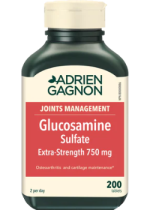
An extra strong and practical formula. Only two tablets a day are enough to help relieve light joint pain and reduce pain. Glucosamine Extra-Strength 750mg from Adrien Gagnon can help people who experience joint issues, such as mild pain and stiffness and athletes, since they impose a stress to their joints when practicing their sport. Glucosamine is a precursor of glycosaminoglycans which is a...
+ Earn 22 Reward PointsSale: $22.99
Reg.: $26.49 (Save $3.50)
In Stock
Glucosamine 500mg: A Supplement For Optimal Joint Health
Among the many options available to support joint health, glucosamine sulfate (GLS) stands out for its demonstrated efficacy and excellent safety profile. Indeed, glucosamine sulfate is a naturally occurring chemical compound which plays a crucial role in building and maintaining cartilage. This flexible tissue cushions joints and allows for smooth, pain-free movement. In supplement form, glucosamine is available in many forms, including a moderate dosage of glucosamine 500mg.
Glucosamine is composed of glucose, an essential monosaccharide bound to a sulfate group. GLS is naturally present in the body and is especially concentrated in cartilage, where it plays a pivotal role in the synthesis of glycosaminoglycans (GAGs), the building blocks of cartilage. GLS is also involved in the formation of proteoglycans, which help maintain the structural integrity and elasticity of cartilage. Additionally, its sulfate component contributes to the production of other essential molecules within joint tissues.
In supplement form, glucosamine sulfate is typically derived from shellfish shells, although synthetic forms are also available. GLS has been shown to alleviate symptoms associated with joint conditions such as osteoarthritis – a degenerative joint disease characterized by the breakdown of cartilage, leading to pain, stiffness, and reduced mobility. GLS also helps improve joint health by providing the building blocks needed to repair and maintain cartilage across the lifespan.
Research has also shown that GLS possesses potent anti-inflammatory properties, further helping to manage joint pain and discomfort.
Exceptional Health Benefits of Glucosamine 500mg
- Helps Maintain & Repair Cartilage
- Improves Joint Mobility
- Natural Anti-Inflammatory
- Reduces Joint Pain & Stiffness
- Slows Joint Deterioration
- Supports Overall Joint Function
Who Would Best Benefit From a Glucosamine 500mg Supplement?
GLS may be beneficial for those looking to support their joint health. Others who may benefit from supplementing with glucosamine sulfate include individuals suffering from osteoarthritis to help alleviate symptoms and slow down the progression of the condition. Additionally, athletes and individuals engaged in high-impact activities may also find glucosamine sulfate beneficial in promoting joint health and supporting recovery from exercise-induced joint stress and inflammation.
Glucosamine Supplement Varieties: Discover Different Forms, Formats & Potencies
Glucosamine sulfate is available in various potencies or concentrations, typically 500 mg, 750 mg, and 1000 mg per serving. The appropriate dosage for you will vary depending on age, weight, overall health, and the severity of joint symptoms. While there is no one-size-fits-all recommendation, typical dosages range from 1,500 to 2,000 mg daily, divided into two or three doses.
For individuals with mild to moderate joint discomfort, 500 mg may suffice, with the option to increase if needed. Those experiencing more severe symptoms or diagnosed with osteoarthritis may benefit from higher doses within the recommended range.
Final Cautions & Considerations For Glucosamine Supplements
While generally well-tolerated, some may experience mild gastrointestinal symptoms like nausea, diarrhea, or heartburn. Those with allergies to shellfish should exercise caution, as glucosamine is often derived from shellfish shells. Moreover, individuals with diabetes should monitor their blood sugar levels closely, as glucosamine may affect insulin resistance. Additionally, individuals taking blood-thinning medications should consult with a healthcare professional before using glucosamine due to its potential to increase the risk of bleeding.
Back to Top ↑








