

Heme Iron
What Is Heme Iron?
Iron is an essential mineral that is crucial for healthy blood and overall health in general. Iron deficiency, in fact, is the most common nutritional deficiency worldwide across age groups, affecting children, pregnant or menstruating women, men, and the elderly. A lack of iron can result in iron deficiency anemia, a condition that the World Health Organization (WHO) estimates affects more than half a billion women between the ages of 15 and 49. Read more >-

Naka Platinum Heme Iron is a therapeutic formula which supports the maintenance of healthy iron levels to optimize red blood cell functioning and decrease signs of fatigue. Heme Iron includes both hemoglobin and myoglobin proteins, as well as moderate amounts of vitamins B12 and C, offering superior absorption. Heme comes in a high dose of 11mg of European certified elemental iron per capsule t...
+ Earn 25 Reward PointsSale: $25.99
Reg.: $28.99 (Save $3.00)
In Stock -
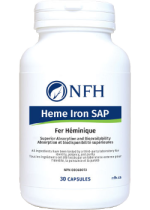
Turn to Heme Iron SAP by NFH for a science based heme-iron source for optimal absorption. Heme iron is a highly bioavailable form of iron, isolated from animal sources with maximal human intestinal absorption. Heme iron is not associated with common side effects of elemental (nonheme) iron supplementation such as constipation, nausea, and gastrointestinal upset. Heme Iron SAP from Nutritional F...
+ Earn 48 Reward PointsOur Price: $48.00In Stock -
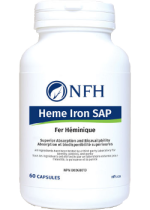
Heme Iron SAP from Nutritional Fundamentals for Health Inc. is formulated with Heme Iron, Vitamin C, Folate and Vitamin B-12 for superior absorption and bioavailability. Heme iron is a highly bioavailable form of iron, isolated from animal sources with maximal human intestinal absorption. Heme iron is not associated with common side effects of elemental (nonheme) iron supplementation such as co...
+ Earn 91 Reward PointsOur Price: $91.10In Stock -

Heme Iron from Naturopathic Labs is a therapeutic formula which supports the maintenance of healthy iron levels. Found naturally in foods such as meat, poultry and fish Heme-Iron is needed for red cell production on maintenance, and some of the symptoms of iron deficiency anemia include fatigue, pale face, dry skin and brittle nails, constipation, headaches, dizziness, loss of appetite and decr...
+ Earn 24 Reward PointsSale: $24.99
Reg.: $39.99 (Save $15.00)
Out of Stock
Get Notified When in Stock
-

Heme Iron from Naturopathic Labs is a therapeutic formula which supports the maintenance of healthy iron levels. Found naturally in foods such as meat, poultry and fish Heme-Iron is needed for red cell production on maintenance, and some of the symptoms of iron deficiency anemia include fatigue, pale face, dry skin and brittle nails, constipation, headaches, dizziness, loss of appetite and decr...
+ Earn 39 Reward PointsSale: $39.99
Reg.: $54.99 (Save $15.00)
Out of Stock
Get Notified When in Stock
Heme Iron: What Is It?
Iron is an essential mineral that is crucial for healthy blood and overall health in general. Iron deficiency, more specifically, heme iron, in fact, is the most common nutritional deficiency worldwide across age groups, affecting children, pregnant or menstruating women, men, and the elderly. A lack of iron can result in iron deficiency anemia, a condition that the World Health Organization (WHO) estimates affects more than half a billion women between the ages of 15 and 49.
Iron is an essential component of hemoglobin – the iron-containing oxygen-transport protein in red blood cells. Hemoglobin is responsible for carrying oxygen from the lungs to the body’s tissues, where it will release the oxygen to permit aerobic respiration and provide energy to power metabolic functions. A healthy individual has between 12 to 20 g of hemoglobin in every 100 mL of blood, which works out to roughly two-thirds of the body’s iron being hemoglobin. The above highlights the importance of ensuring we have an adequate iron intake.
In nature, two kinds of iron in foods are absorbed and handled differently by our bodies. These are heme iron and non-heme iron. Heme iron is found only in meat, poultry, seafood, and fish, while non-heme iron is found in plant-based foods like grains, beans, vegetables, fruits, nuts, and seeds. Interestingly; however, non-heme iron is also found in animal products such as eggs or milk/dairy and accounts for about 40-45% of the iron in meat. The significant advantage of a heme iron supplements are that it is more easily absorbed and, therefore, is a more substantial source of dietary iron for those who need more robust support.
Benefits of Heme Iron
- Boost Energy
- Helps Prevent & Treat Iron Deficiency
- Optimizes Red Blood Cell Formation & Function
- Quickly Restores Low Iron Levels.
- Relieves Fatigue
Who Needs Heme Iron?
A quality Heme Iron supplement is ideal for helping reverse iron deficiency when dietary changes alone are unsuccessful. Certain people, including pregnant women, infants, young children, heavy exercisers, and those with certain medical conditions, may also significantly benefit from supplementing with Heme Iron. Other individuals who may benefit from supplementing with iron include: those experiencing heavy periods, frequent blood donors, anyone with gastrointestinal disorders, such as celiac disease, ulcerative colitis, or Crohn’s disease, and those on iron-depleting medications, such as ones to reduce stomach acid. In addition, vegetarians, vegans, and people with blood disorders, such as thalassemia or sickle cell anemia, would benefit from supplementation.
Heme Iron Potency, Forms & Formats
Heme iron supplements are available in tablets and capsules in various potencies. The recommended daily intake of iron is as follows:
Those that are:
- 1-3 years old should take 7 mg
- 4-8 years old should take 10 mg
- 9-13 years old should take 8 mg
- 14-18 years old should take: Males: 11 mg, Females: 15 mg, If pregnant: 27 mg, If breast feeding: 10 mg
- 19-50 years old should take: Males: 8 mg Females: 18 mg, If pregnant: 27 mg, If breast feeding: 9 mg
- 51+ years old should take 8 mg
Final Thoughts
If you’ve decided to get your iron levels tested, ask your health care practitioner for a hemoglobin and hematocrit test along with a ferritin test. This combination is the most effective at identifying an iron deficiency, even in its early stages.
Back to Top ↑








