

Baby Diapers
Disposable Diapers vs Natural Cloth Diapers: Which Is Better?
In the hustle and bustle of parenting, convenience often takes precedence, and one aspect that epitomizes this convenience is conventional disposable diapers. While they have become a ubiquitous choice for most parents, it's important to shed some light on the inherent problems associated with these diapers and why reusable cloth diapers are the conscientious choice for your baby's well-being and the environment. Read more >-
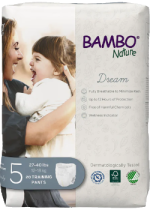
Bambo Nature Dream Training Pants are for the potty training stage for Toddlers. Easy to pull up and down, our Dream Training Pants gives your little one the courage that they can “do it themselves” without compromising a comfortable and snug fit. Fully breathable to minimize the chance of rash, Bambo Nature Training Pants offer up to 12 hour protection for your little one. With a fully breatha...
+ Earn 15 Reward PointsSale: $15.76
Reg.: $18.54 (Save $2.78)
In Stock
Discover The Health Benefits of Cloth Diapers
In the hustle and bustle of parenting, convenience often takes precedence, and one aspect that epitomizes this convenience is conventional disposable diapers. While they have become a ubiquitous choice for most parents, it's important to shed some light on the inherent problems associated with these diapers and why reusable cloth diapers are the conscientious choice for your baby's well-being and the environment.
The Dirty Truth About Disposable Diapers
Chemicals Found in Traditional Diapers
First and foremost, conventional disposable diapers are laden with innumerable chemicals. From chlorine and fragrances to phthalates and dyes, these diapers expose delicate baby skin to a cocktail of harmful substances used in leakproof polymers, superabsorbent polymers, and scented chemicals. Just as worrisome is the fact that studies have shown prolonged exposure to many of these substances can cause all sorts of skin irritations, including eczema, as well as chronic diaper rash, allergic reactions, and respiratory problems such as asthma.
Environmental Impact Of Disposable Diapers
The environmental toll of conventional disposable diapers is also staggering and increasingly problematic. The sheer volume of non-biodegradable waste generated by millions of diapers annually contributes significantly to landfill poll ution. It's estimated that these diapers can take centuries to decompose, leaving a lasting legacy of environmental degradation. On the other hand, natural alternatives often boast biodegradable materials that break down more efficiently, reducing the ecological footprint of diapering.
Ecological Impact
Beyond the landfill issue, the production of conventional disposable diapers involves the intensive use of resources. Manufacturing consumes vast amounts of water, energy, and raw materials, contributing to deforestation and other environmental concerns. Opting for natural, eco-friendly diapers often means choosing products made from sustainable materials, thus mitigating the environmental impact associated with traditional diaper production.
Expense of Disposable Diapers
Let's not forget the financial aspect. While the upfront cost of natural diapers may seem higher, the long-term savings can be substantial. Many eco-friendly diaper brands offer high-quality, reusable options, minimizing the ongoing expense of purchasing disposable diapers. Investing in a few sets of cloth or other reusable diapers promotes sustainability and proves to be a cost-effective choice in the long run.
Discover Why Cloth Diapers Are Advantageous
Let's start at the beginning - reusable diapers are a far better choice for the environment since they reduce the ecological burden. Indeed, with advancements in textile technology and eco-friendly natural materials, modern cloth diapers offer a sustainable alternative that minimizes landfill waste, making them an environmentally responsible choice for conscientious parents and their offspring.
Beyond economic and environmental advantages, however, reusable cloth diapers are, first and foremost, a far healthier option for our wee ones. They are free from chemicals, gels, and fragrances that can irritate a baby's sensitive skin. This is because cloth diapers are made from natural fibres like cotton, bamboo, or hemp, providing breathability, which allows your baby's skin to breathe and prevents rashes from developing and allergies from setting in.
Top Benefits Of Reusable Cloth Diapers
- Better For The Environment
- Breathable
- Cost Less
- Earlier Potty Training
- Less Chemical Exposure
- Reduce Diaper Rash
Best Reusable Cloth Diaper Brands
While there has been an increase in the selection of reusable diapers on the market in the last decade, some of the most trusted brands include:
- AppleCheeks
- Bella Luna
- Best Bottom
- Bummis
- Colibri
- Easy Peasies
- Fluffanutter
- Eco Pea Co.
- Holly Bottoms Diapers
- Kushies
- La Petite Ourse
- Les Confections Lili
- Thirsties Diapers
Final Insights on Cloth vs Disposable Diapers
Choosing reusable cloth diapers made from natural fibres ensures the well-being of your baby's sensitive skin and demonstrates a commitment to a healthier planet. Making the switch to eco-friendly diapers is a small yet significant step towards a more sustainable and mindful approach to parenting, aligning your choices with the well-being of both your child and the world they will inherit.
Back to Top ↑








