

Shark Oil
Discover Shark Oil's Uses & Benefits
As its name implies, Shark Oil is derived from deep-sea sharks. It has a storied history and a unique biochemical profile that has made it a subject of both traditional use and modern scientific interest. Indeed, this oil is known for its multiple unique health benefits and has been used by various cultures for centuries. Read more >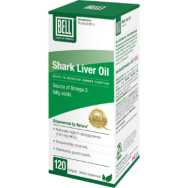
Shark Oil: A Fatty Acid Powerhouse
As its name implies, shark oil is derived from deep-sea sharks. It has a storied history and a unique biochemical profile that has made it a subject of both traditional use and modern scientific interest. Indeed, this oil is known for its multiple unique health benefits and has been used by various cultures for centuries.
Traditional Uses Of Shark Oil
Historically, shark oil was a valuable commodity in several maritime cultures. Indigenous peoples, particularly those in the Arctic and other coastal regions, used shark oil for various purposes. It served as a fuel for lamps, a waterproofing agent for boats and garments, and even a preservative for food. Medically, this oil was applied to wounds and burns due to its demonstrated healing properties. Fishermen and sailors consumed it to boost their resistance to infections and respiratory ailments and to maintain health during long sea voyages.
Key Nutrients Found In Shark Oil
The biochemical makeup of shark oil is complex and includes a variety of bioactive substances. The most notable components are fatty acids, specifically omega-3 fatty acids like eicosapentaenoic acid (EPA) and docosahexaenoic acid (DHA). These essential fatty acids are crucial for maintaining cardiovascular health, reducing inflammation, and supporting cognitive functions.
In addition to omega-3s, shark oil is rich in alkylglycerols (AKGs). These compounds, found in higher concentrations in shark liver oil than in any other source, are known for their potent immune-boosting properties. Squalene, another significant component, is a natural antioxidant that helps protect cells from oxidative stress and supports skin health.
Discover The Health Benefits Of Shark Oil
Shark oil's health benefits can primarily be attributed to its high concentration of omega-3 fatty acids and alkylglycerols. Omega-3s are essential for heart health; they help lower triglyceride levels, reduce the risk of arrhythmias, and decrease blood pressure. These fatty acids also play a vital role in brain health, helping to improve cognitive function and reduce the risk of neurodegenerative diseases.
Alkylglycerols have been shown to boost immunity and enhance the body’s ability to fight off infections. The anti-inflammatory properties of omega-3 fatty acids and AKGs make shark oil an extremely beneficial supplement for those suffering from inflammatory conditions such as arthritis.
Squalene's antioxidant properties further enhance shark oil's health benefits, particularly in skin care. It helps maintain moisture, promotes healing, and protects against environmental damage, making it a popular ingredient in all sorts of natural cosmetic products.
Selecting Quality Fatty Acid Supplements
Shark oil supplements are available in several forms, including soft gel capsule, which offers a convenient and precise dosage, making it easy for users to incorporate into their daily routines. Liquid format is another popular option, often preferred for its flexibility in dosing and ease of mixing with other liquids. However, it can have a strong taste that may not appeal to everyone. Additionally, this oil is available in powder form, which can be encapsulated or mixed into food and beverages.
Dosage recommendations vary depending on the product, condition being treated, and health status. Generally, daily dosages range from 500 to 1000 mg for general supplementation, with specific ranges for alkylglycerols (100 mg to 300 mg), squalene (10 mg to 100 mg), and omega-3 fatty acids (250 mg to 500 mg of EPA and DHA).
Final Thoughts & Potential Side Effects
Shark oil has significant environmental and ethical issues despite its myriad health benefits. Overfishing is a major concern; sharks are slow to mature and have low reproductive rates, making their populations highly vulnerable to overexploitation. The demand for this oil, coupled with the high value of other shark products like fins and meat, has led to drastic declines in shark populations worldwide. This threatens the survival of various shark species and disrupts marine ecosystems, as sharks play a critical role in maintaining the balance of aquatic life.
Ethically, the extraction of shark oil also raises serious questions. The often inhumane methods of capturing and processing sharks, combined with the ecological impact of diminishing shark populations, have prompted calls for sustainable and humane alternatives. Many conservationists advocate using plant-based or lab-grown omega-3 fatty acids and squalene, which can provide similar health benefits without the associated environmental costs.
Consumers should look for products certified by reputable environmental organizations and opt for those sourced from sustainable fisheries. By making informed choices, individuals can contribute to the preservation of marine ecosystems and the protection of shark populations.
Back to Top ↑








