

Bee Pollen 250mg - 120 Tabs - Organika

We're sorry, we no longer carry this item.
Check These out
Suggested, Similar, & Related Products:

Sale: $1.99
Reg.: $2.79 (Save $0.80)
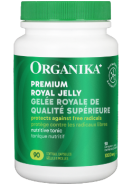
Sale: $43.99
Reg.: $54.99 (Save $11.00)
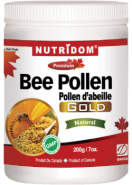
Sale: $9.99
Reg.: $14.99 (Save $5.00)

Sale: $11.99
Reg.: $12.99 (Save $1.00)

Sale: $3.49
Reg.: $4.69 (Save $1.20)

Sale: $7.99
Reg.: $8.79 (Save $0.80)

Sale: $1.99
Reg.: $2.79 (Save $0.80)

Sale: $2.49
Reg.: $2.99 (Save $0.50)
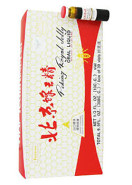
Sale: $15.99
Reg.: $19.99 (Save $4.00)
Or, Shop our Latest Deals:
Shop Now >- 250mg
- Pure Bee Pollen
Contains no sugar, salt, yeast, wheat, gluten, corn, soy, milk, egg, artificial preservatives, colours or sweeteners.
 Tablets
120 Tabs
1 to 3 tablets daily, taken with a meal.
- High Desert Bee Pollen for optimal purity & potency.
- Promotes healthy energy levels.
- Supports immune function.
- A Rich source of many nutrients.
- A great choice for compromised immunity and fatigue due to stress or illness.

Nourishment Rooted in Nature - 12 New Added
Organika, formulators of Canada’s best-selling Collagen and marine collagen and Bone Broth supports skin and joint health. Organika's health products also include; Organika spirulina, Chlorella, Curcumin to support inflammation, Organika Enhanced Collagen Protein, and Adaptogens to provide balance. Shop Organika here at National Nutrition.ca for quality, Canadian-made supplements. Read more >- Reviews
- POST A NEW REVIEW
What is Bee Pollen?
Bee pollen is a powder that is collected from flowering plants by bees. It is a nutritious substance, containing significant amounts of protein, B vitamins, vitamin C, carotene, minerals, essential fatty acids and plant sterols. For individuals who lack energy and suffer from depression, bee pollen provides B vitamins, calcium, magnesium and iron.
These vitamins and minerals support the adrenal gland (gives you the get-up-and-go energy), brain (supports the production of brain chemicals) and blood (boosts the oxygen carrying capacity of the blood).
Bee pollen contains plant sterols and vitamin C, both of which support the immune system. Plus bee pollen is an antimicrobial agent. It is used to treat seasonal allergies and colds and flus. People with intestinal diseases or cell growths may find bee pollen helpful because of its easy to use nutrients and immune regulating properties.
Energize Your Immunity
The immune system is the police force of the body. It is a complex system of cells that defend the body from invading organisms, regulate inflammation and control abnormal cell growth. Many organs are involved in the immune response, the bone marrow, lymphatic system, thymus, liver and spleen. Bone marrow produces red blood cells, white blood cells and platelets. The immune system is capable of fighting off intruders and remembering them so that they are killed off quickly if they invade again. The immune system must be able to differentiate self from non-self in order to know what to attack. If it does not recognize the body's own tissue than autoimmune diseases occurs.
Physical and emotional stress has been shown in studies to depress the amount of circulating immune cells. Examples of possible stressors are excessive exercise, surgery, a long illness, and loss of a job or death of a loved one. The sympathetic nervous system is activated by stress and causes increased heart rate and blood pressure, and a heightening of the body's senses. It decreases the functioning of systems that are not essential for fighting or fleeing a situation. This includes immunity. Stress also causes increased inflammation and a build up of damaging agents called free radicals. These substances can interfere with normal immune functioning.
Poor dietary habits inhibit the immune system by creating deficiencies in protein, vitamins and minerals. A healthy diet, with sufficient protein intake, supports the immune system because the immune cells are made of protein and are in a constant state of renewal. The immune cells use a variety of vitamins and minerals to carry out their jobs. The most important nutrients are vitamin A, vitamin B6, vitamin C, vitamin E, selenium, zinc and essential fatty acids. For example, vitamin C strengthens white blood cells and prevents the multiplication of bacteria and viruses. Deficiency of any one of these nutrients impairs the immune response.
Healthy Energy
Poor nutrition impacts on energy in obvious ways. If your body does not have enough raw materials to provide for it's functioning than you will feel fatigued. The standard North American diet is deficient in vitamins, minerals and essential fatty acids. It is high in saturated fat, refined carbohydrates and chemical additives and preservatives. These substances not only do not give your body usable energy, but they also inhibit the use of good quality food by depleting enzymes and hormones necessary for energy conversion. The body must also deal with the toxic by-products of foods like bleached flour and sugar, artificial sweeteners and flavours and trans-fatty acids. Energy expenditure is funnelled towards detoxification of these substances instead of growth, cell replication and metabolism.
The type of food that you eat also affects energy by providing short, intense bursts of fuel for the cells or sustained, steady fuel release. Simple sugars or carbohydrates are quickly absorbed by the body and go into the bloodstream for immediate use for cells. This accounts for the energy burst you feel after eating a sugary snack. It also accounts for the fatigue that comes on a few minutes after the sugar is used up. These fluctuations in blood sugar are hard on the body because it stresses the system. Hormones are rapidly used up when sugar saturates the bloodstream but when it comes time to replenish the supply the body has low amounts of energy to use for this purpose. Its like making the body do multiple sprints instead of letting it lope along at a comfortable rate. The brain uses only the sugar, glucose, for energy. At some time or another everyone has felt the foggy feeling in the head caused by low blood sugar. This is proof that fluctuating blood sugar is not conducive to optimal brain functioning.
Blood cell production and function depends on the intake of protein, vitamins, including B vitamins, and minerals, including iron. Without hemoglobin, the red blood cells are unable to carry oxygen. As a result cells become starved of oxygen and cannot produce energy.
Healthy Tips for Better Energy Levels
- Consume a whole foods diet with fresh fruit and veggies daily.
- Exercise Daily for optimal circulation, elimination and healthy moods.
- Try to maintain regular sleeping patterns.
- Do not skip meals, especially breakfast.
- Avoid sugar and refined foods, they contain little nutrients and often spike blood sugar levels.
- Take B-Complex vitamins.
- Support the adrenal glands with different herbs and nutrients.
- Take a greens drink daily.
- Do a colon or liver cleanse.
- Optimize thyroid function with seaweeds and other nutrients.
Back to Top ↑








