

Tablets Pain Relievers
Explore Tablet Supplements For Natural Pain Relief
In a world where people are increasingly wary of synthetic pharmaceuticals and the myriad side effects they cause, a growing number of us are rediscovering the ancient wisdom of natural pain relievers. From the soothing properties of lavender oil to the robust anti-inflammatory benefits of turmeric and the calming effects of magnesium, more and more people are looking to plants, minerals, and other natural substances to alleviate their aches and pains. Read more >-
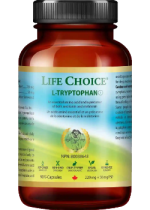
L-TRYPTOPHAN FROM LIFE CHOICE Tryptophan is an essential amino acid, used by the brain to produce serotonin, a necessary neurotransmitter which transfers nerve impulses from cell to cell, and is responsible for normal sleep. Use Life Choice L-Tryptophan to alleviates stress, benefit the heart, assist in weight control as an appetite suppressant, and enhance the release of growth hormone. L-Try...
+ Earn 26 Reward PointsSale: $26.99
Reg.: $34.99 (Save $8.00)
In Stock
Find Natural Pain Relief Tablets
In a world where people are increasingly wary of synthetic pharmaceuticals and the myriad side effects they cause, a growing number of us are rediscovering the ancient wisdom of natural pain relievers. From the soothing properties of lavender oil to the robust anti-inflammatory benefits of turmeric and the calming effects of magnesium, more and more people are looking to plants, minerals, and other natural substances to alleviate their aches and pains. This shift towards nature's pharmacy is driven by a desire for holistic health, fewer side effects, cleaner products, and the empowerment that comes from harnessing the earth's healing power. Let's explore natural pain relief tablets.
Discover Natural Pain Relief Supplement Options
Visit any health food store or supplement retailer, and you'll be inundated with options – liquids, drops, capsules, tablets, powders, chewable tablets, gummies and more. So much so in fact, that it can be challenging to know which to choose. The fact of the matter is, however, that there is no one absolute best delivery format – more appropriately, it's a question of what form best suits your particular needs and personal preferences.
This being said, there has long been a debate about two of the most popular options: capsules or tablets - which is best? While both forms have their merits, something uniquely compelling about tablets often tilts the balance in their favour. Whether it's their versatility, cost savings, or practical benefits for consumers, tablets are a fan favourite if you look at the numbers. Let's explore some of the reasons why.
Versatility Of Natural Pain Relief Tablets
Tablets are compact and solid, featuring a compressed dose of nutrient(s) or herbs, unlike capsules, which typically contain powdered or liquid forms encased in a gelatin shell. This structure offers a range of unique advantages, starting with manufacturing versatility. Indeed, tablets can be crafted into various shapes and sizes, tailored to the specific needs of the active ingredients and the desired release profile.
This flexibility extends to the formulation itself since tablets can incorporate a variety of excipients that enhance stability, control release rates, and even mask unpleasant flavours. For instance, enteric-coated tablets can ensure that the active ingredient bypasses the stomach and is released in the intestines. This is particularly beneficial for substances that can be degraded by stomach acid.
Cost Efficient – A Win for Manufacturers and Consumers
From a cost perspective, tablets often represent a more economical option. Indeed, the production process for tablets is typically less expensive than for capsules, primarily because it involves fewer steps and materials. For example, gelatin or vegetarian capsules require shell production, which adds to the manufacturing complexity and cost.
These savings can be passed on to consumers, making tablets more affordable. Additionally, the longer shelf life of tablets compared to capsules—due to their generally lower moisture content—means fewer products go to waste, contributing to better overall cost efficiency in the supply chain.
- Convenience and Compliance—Tablets offer several practical benefits that enhance convenience and compliance for consumers. Indeed, tablets are generally more robust and less prone to breakage or leakage than capsules. This durability makes them easier to transport and store, yet another important consideration.
Tablets can also be scored, allowing them to be split into smaller doses. This feature is handy for supplements requiring dose adjustments over time or those with difficulty swallowing larger pills. Capsules, by contrast, do not offer this level of dosing flexibility.
- Customization and Personalization – Supplements are increasingly moving towards personalization, and tablets are well-suited to this trend. This customization extends to controlled-release formulations designed to release their active ingredients at specific times or over extended periods. This capability can improve therapeutic outcomes by maintaining consistent nutrient levels in the bloodstream and reducing dosing frequency.
- Eco-Friendly – In today's environmentally conscious world, the sustainability of supplements is an increasingly important consideration. Tablets tend to have a smaller environmental footprint than capsules. This is because the production of gelatin capsules involves animal products and more energy-intensive processes. In contrast, tablets can often be made from plant-based excipients and require fewer production resources.
Tablet packaging is also typically more efficient. Blister packs, for example, are lightweight and use less material than the plastic bottles often used for capsules. This reduction in packaging materials lowers costs and minimizes waste, aligning with broader efforts to reduce environmental impact.
Final Thoughts On The Natural Pain Relief Tablets
To ensure you select a high-quality tablet form supplement, look for one that has been tested and certified by third-party organizations such as USP (United States Pharmacopeia), NSF International, or ConsumerLab. These certifications indicate that the product meets stringent quality standards and contains the ingredients listed on the label in the correct amounts.
Additionally, you should look for transparency in labelling; reputable manufacturers should provide detailed ingredient lists and dosage information.
It's also critical to choose supplements free from artificial additives, fillers, and unnecessary binders, which can cause adverse reactions and add to the body's toxic load.
Back to Top ↑








