

Tea
Discover The Rich History & Benefits of Tea
Tea has always been more than just a beverage; it’s a journey that spans centuries, cultures, and continents. From the misty mountains of China to the lush plantations of India, tea has woven itself into the fabric of human history. But where did it all begin, and how did these tiny leaves come to hold such power over our cups and conversations? Read more >-

Celebration Herbals presents loose Green Matcha tea which is an organic full-bodied tea that liquors to a rich green colour. Matcha offers a classic deep flavour and aroma much like Japanese style teas. The entire tea leaf is used when making Matcha and made into a fine powder. What's left is a hot cup of strong flavoured, antioxidant-rich tea that's high in caffeine. Matcha is enjoyed hot and ...
+ Earn 45 Reward PointsSale: $15.99
Reg.: $19.95 (Save $3.96)
In Stock -
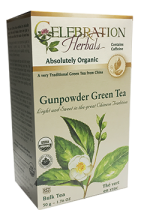
Gunpowder Green Tea from Celebration Herbals is a light, sweet, classic green tea. A traditional green tea from China, high quality Gunpowder Green Tea brews into a yellow-green colour and is referred to as "Pearl Tea" by the Chinese. Made from full, tender young green tea leave that are rolled into pellets while drying, Gunpowder Green Tea leaves explode into full green tea leaves when brewed....
+ Earn 18 Reward PointsSale: $6.79
Reg.: $8.23 (Save $1.44)
Out of Stock
Get Notified When in Stock
An Introduction To The Wonderful World Of Teas
Tea has always been more than just a beverage; it’s a journey that spans centuries, cultures, and continents. From the misty mountains of China to the lush plantations of India, tea has woven itself into the fabric of human history. But where did it all begin, and how did these tiny leaves come to hold such power over our cups and conversations?
Tea's Robust History
According to Chinese mythology, tea originated in 2737 BCE when Emperor Shen Nong accidentally discovered it. As he boiled water under a tree, a few leaves drifted into his pot, creating a brew that quenched his thirst and invigorated his mind. This serendipitous discovery marked the birth of tea as a cherished drink.
Over time, tea spread across Asia, becoming a vital part of cultural rituals and medicinal practices. It was first introduced to Japan by Buddhist monks, who valued it for its ability to enhance meditation. By the 16th century, tea had made its way to Europe, where it quickly became a symbol of sophistication and social status. The British, in particular, took to tea with such fervour that it eventually played a pivotal role in historical events, such as the Boston Tea Party.
Explore The Many Varieties of Tea
Not all teas are created equal. From the delicate notes of white tea to the robust flavours of black tea, the world of tea is as diverse as the people who drink it. There are six main types of tea, each with its unique characteristics and health benefits.
Green Tea is the poster child of the tea world, celebrated for its vibrant colour and antioxidant properties. Green tea is made from unoxidized leaves, it offers a fresh, grassy flavour ranging from sweet to savoury. It's a favourite among health-conscious individuals thanks to its ability to boost metabolism and support heart health.
Black Tea is the most popular tea globally, known for its bold flavour and higher caffeine content. The leaves are fully oxidized, giving them a rich, dark colour and a malty taste. Black tea is the base for many classic blends like Earl Grey and English Breakfast, and it's often enjoyed with milk and sugar/sugar substitutes like honey, monk fruit, etc.
White Tea is the least processed of all teas, made from the young leaves and buds of the tea plant. Its subtle flavour is light, sweet, and slightly floral, making it a perfect choice for those who prefer a milder brew. White tea is also packed with antioxidants and possesses anti-ageing properties.
Oolong Tea sits somewhere between green and black tea in terms of oxidation. This semi-oxidized tea offers a complex flavour profile ranging from fruity to nutty, depending on how it's processed. Oolong tea is often associated with weight management and better digestion.
Herbal Teas are a category unto themselves. While technically not "tea" since they don't come from the Camellia sinensis plant, herbal teas are made from many plants, flowers, and fruits. Popular choices include chamomile, peppermint, and hibiscus, each offering unique flavours and a wide range of health benefits.
Pu-Erh Tea is a fermented tea prized for its earthy flavour and ability to aid digestion and reduce cholesterol. It's often aged, with some varieties being decades old, much like fine wine.
The Importance Of Quality
With so many options available, how do you choose the right tea? The key lies in selecting high-quality teas that have not been overly processed. Much like the difference between fast food and a gourmet meal, the quality of your tea can significantly impact not only the flavour but also the health benefits.
High-quality teas are typically hand-picked and carefully processed to preserve their natural flavours and nutrients. They're often sourced from small, artisanal farms focusing on quality rather than quantity. Overly processed teas, on the other hand, can lose much of their beneficial properties and often contain artificial additives and flavours.
When selecting tea, look for loose leaves rather than tea bags, as the latter often contains lower-grade tea dust and fannings. Loose-leaf tea allows the leaves to fully unfurl in hot water, releasing their full flavour potential. Additionally, pay attention to the origin of the tea, as different regions produce teas with distinct characteristics.
Tips For Brewing A Better Cup of Tea
Choosing the right tea is just the beginning. To truly appreciate its nuances, it's important to brew it correctly. The water temperature, steeping time, and even the type of teapot can all influence the final flavour. For example, green tea is best brewed at a lower temperature to avoid bitterness, while black tea benefits from boiling water to fully develop its robust flavour.
In the end, tea is a personal experience—a moment of tranquillity in a cup. Whether you're sipping it alone in the early morning or sharing it with friends in the afternoon, tea offers a connection to history, culture, and the simple pleasures of life. So next time you brew a cup, take a moment to appreciate the journey those leaves have taken from a distant mountaintop to your teapot.
Back to Top ↑








