

Vitamin B1 (Benfotiamine)
-

Get the pep back in your step with Natural Factors BioCoenzymated Benfotiamine! This active form of vitamin B1 formula provides bioavailable benfotiamine alongside Farm Fresh Factors – a bioenergetic blend of phytonutrients from wholefoods to help support energy production. Being BioCoenzymated, it allows for quicker absorption, Natural Factors Benfotiamine enhances energy production, supports ...
+ Earn 38 Reward PointsSale: $38.97
Reg.: $43.99 (Save $5.02)
In Stock -

New Roots Biologically active thiamin (vitamin B1) in the form of benfotiamine is a critical nutrient for healthy nerve for individuals with polyneuropathy. Benfotiamine is the natural form of vitamin B1 recognized as having up to five-fold superior penetration to regular vitamin B1. The therapeutic benefit of benfotiamine lies in its capacity to block a harmful process called protein glycation...
+ Earn 22 Reward PointsSale: $22.19
Reg.: $25.18 (Save $2.99)
In Stock -
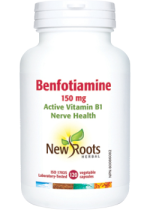
New Roots Herbal’s Benfotiamine delivers an evidence-based dosage of 150 mg per plant-sourced capsule delivering active B1 that supports nerve health. enfotiamine is the natural form of vitamin B1 recognized as having up to five-fold superior penetration to regular vitamin B1. The therapeutic benefit of benfotiamine lies in its capacity to block a harmful process called protein glycation, which...
+ Earn 42 Reward PointsSale: $42.19
Reg.: $47.91 (Save $5.72)
In Stock
WHAT IS BENFOTIAMINE?
Thiamine (B1) is a water-soluble vitamin found in a variety of foods including legumes, nuts, seeds, wheat germ, fortified grain products like bread, cereal, pasta, rice, and flour, as well as some meat and fish. While thiamine deficiency is rare in developed nations, certain conditions may predispose to it. Those that consume a highly refined diet, or who avoid whole-grains altogether, as well as chronic diarrhea, Crohn's disease, and those dealing with alcohol use disorder may all be thiamin deficient.
Benfotiamine is a fat-soluble, lab-made version of thiamine. The increased fat solubility of benfotiamine is what allows it to penetrate nerve cells more easily than regular water-soluble thiamine supplements. As a highly bioavailable form of thiamine, benfotiamine helps restore thiamine levels much more rapidly and is used among other things, to enhance blood circulation to the brain, optimize cognitive functioning and support digestive health. Research has also shown that benfotiamine reduces Advanced Glycation End Products (AGEs) by up to 40%, so helps protect against chronic inflammation and the development of many age-related degenerative diseases.
BENEFITS of BENFOTIAMINE
- Potent Antioxidant and Anti-Inflammatory Properties
- Protects the Brain and Supports Cognitive Functioning
- Restores Thiamin Levels Quickly
WHO NEEDS BENFOTIAMINE?
Benfotiamine is the preferred form of vitamin B1 and is often recommended by health care practitioners over regular thiamine supplements to rapidly correct deficiency, and prevent consequences on the nerves, heart, and brain. One of the gravest manifestations of thiamine deficiency is what is called Wernicke-Korsakoff syndrome, a life-threatening neurological condition often seen in alcoholism and malnutrition, which primarily affects the peripheral and central nervous systems.
Other conditions that can greatly benefit from benfotiamine supplementation include anxiety, mood disorders, diabetes, and diabetic neuropathy, dementia, fibromyalgia, and thyroid disorders.
BENFOTIAMINE POTENCY & FORMATS
Benfotiamine Potency
The most common potency of benfotiamine supplements is 100 or 150 mg, which is typically enough to restore thiamine levels inside the body. Certain conditions such as; diabetic neuropathy and Alzheimer's disease, typically call for higher doses, closer to 300-600 mg daily in divided doses.
Benfotiamine Formats
Benfotiamine is widely available for purchase in-stores and online in either capsules, tablets, or liquid and powder forms.
GETTING THE MOST OUT OF YOUR BENFOTIAMINE SUPPLEMENT
Thiamine is depleted by heavy alcohol consumption, as well as heavy caffeine and sugar intake.
Certain medications such as antibiotics, sulfa drugs, oral contraceptives, and anti-seizure medications, can also deplete thiamine levels. Because benfotiamine contains sulfur, it should be avoided by those with sulfur sensitivity.
Back to Top ↑








