

Bioflavanoids
-
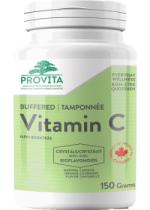
As an antioxidant for the maintenance of good health, Provita’s Buffered Vitamin C Crystals can help in the development and maintenance of bones, cartilage, teeth and gums plus connective tissue formation. Buffered Vitamin C Crystals is a unique formulation that helps in the development and maintenance of bones, teeth, gums and cartilage, assists in connective tissue formation and the formation...
+ Earn 23 Reward PointsSale: $23.85
Reg.: $26.50 (Save $2.65)
Out of Stock
Get Notified When in Stock
What Are Bioflavanoids?
Bioflavanoids, also known as vitamin P (though not technically a vitamin), are naturally occurring polyphenolic metabolites found in fruit, vegetables, herbs, chocolate, tea, wine, and many dry beans and seeds. Foods containing vitamin C also contain bioflavanoids, which is practical because bioflavanoids are required for the absorption of vitamin C. These can be broken down into a few distinct categories including isoflavones, anthocyanidins, flavans, flavonols, flavones, and flavanones. Common bioflavanoids include citrus flavonoids found in citrus fruits; rutin in buckwheat; epigallocatechin gallate (EGCG) in green tea; anthocyanidins in bilberry; naringenin in grapefruit; oligomeric proanthocyanidins in grape seeds and skins and quercetin in onions, tea, and apples.
Flavonoids have been known to possess strong anti-inflammatory, anti-thrombogenic, antidiabetic, and neuroprotective activities. In addition, they work closely with vitamin C inside the body, thus the combination of the two is ideal for reducing inflammation, protecting against free radical damage, stimulating immune function, promoting capillary and vascular health, strengthening and protecting collagen in the body, and, in turn, preventing capillary fragility.
Benefits of Bioflavanoids
- Boosts Immunity
- Enhances Circulation
- Essential For Proper Absorption And Use Of Vitamin C
- Helps Relieve Allergy Symptoms
Who Needs Bioflavanoids?
The most common applications for bioflavanoids include: improving circulation for the treatment of varicose veins and hemorrhoids, reducing the risk of hypertension and stroke, as well as cardiovascular disease; downregulating inflammation, notably liver inflammation, and helping to support liver disease (including hepatitis); strengthening capillaries and thus reducing bruising; as well as treating allergies. Indeed, one of the most interesting applications for bioflavanoids, specifically quercetin, is the treatment of seasonal allergies, thanks to its natural antihistamine and anti-inflammatory properties that have been shown to temper symptoms of seasonal allergy symptoms and food allergies, as well as asthma and allergic skin reactions.
Potency, Forms & Formats
Bioflavanoids can be purchased as a standalone supplement in capsule or powder format or combined with vitamin C in a range of formats (capsules, tablets, liquids, tablets, chewables, gummies, etc.)
The typical dosage range is usually 200 - 1500mg daily, depending on the blend and kind of bioflavanoid(s).
Final Thoughts
Bioflavanoids are widely regarded as safe and well-tolerated. However, taking them concomitantly with anticoagulants may mitigate the medication’s efficacy. Bioflavanoids can also increase the toxicity of a wide range of prescription medications. Speak to your health care practitioner before supplementing with bioflavanoids if you have a diagnosed health condition or are on prescription medications.
Back to Top ↑








