

Bioflavanoids
-
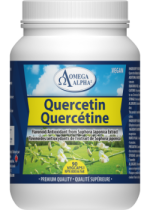
One of the most well known bioflavonoids is called Quercetin. An antioxidant supplement for the maintenance of good health, Quercetin from Omega Alpha delivers 500mg per capsule. Quercetin is commonly used for reducing excessive inflammation and allergies, as well as protecting the cardiovascular system. Bioflavonoids are essential for the proper absorption of vitamin C. The body cannot produce...
+ Earn 118 Reward PointsSale: $39.99
Reg.: $43.99 (Save $4.00)
In Stock -

Bioflavonoids are combined with hesperidin and quercetin in this formula from New Roots Herbal. Bioflavonoids are natural products found throughout the plant kingdom. Bioflavonoids are polyphenols naturally present in fruits and vegetable. High concentrations of bioflavonoids can be found especially in citrus fruits such as rosehips, limes, lemons, grapefruits, oranges, and blackcurrants. Each ...
+ Earn 15 Reward PointsSale: $15.99
Reg.: $18.20 (Save $2.21)
In Stock -
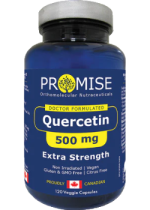
Quercetin is a bioflavonoid that is found in many vegetables, fruits, and herbs and is needed for assisting in the absorption of Vitamin C. Promise's Quercetin 500mg is an important antioxidant supplement that protects against oxidative stress and is often used in herbal medicine as a capillary and blood vessel protectant. Promise Quercetin comes in a an easy to swallow veggie capsule and may ...
+ Earn 42 Reward PointsSale: $42.99
Reg.: $48.79 (Save $5.80)
In Stock -

Hesperidin, Diosmin, and Naringin, when combined in Provita's Hesperine, help with Phase I and II liver detoxification and subsequent blood purification. Added zinc and andrographis paniculata extract provide immune support targeted at the upper respiratory tract. Longevity and good aging have been promoted by citrus bioflavonoids. Fighting free radicals has several health benefits and can have...
+ Earn 34 Reward PointsSale: $34.96
Reg.: $38.85 (Save $3.89)
In Stock -
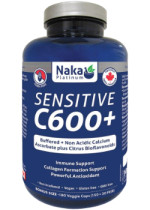
Naka Platinum's Sensitive C600+ has been formulated to provide 600mg of buffered and non acidic vitamin C from calcium ascorbate and 50mg of citrus bioflavanoids from lemons. As a source of antioxidants, Sensitive C600+ helps to protect cells against damage caused by free radicals. Easy on the digestive system, Senstive C600+ helps to strengthen immune health, support collagen formation and hea...
+ Earn 29 Reward PointsSale: $29.99
Reg.: $33.99 (Save $4.00)
Out of Stock
Get Notified When in Stock
What Are Bioflavanoids?
Bioflavanoids, also known as vitamin P (though not technically a vitamin), are naturally occurring polyphenolic metabolites found in fruit, vegetables, herbs, chocolate, tea, wine, and many dry beans and seeds. Foods containing vitamin C also contain bioflavanoids, which is practical because bioflavanoids are required for the absorption of vitamin C. These can be broken down into a few distinct categories including isoflavones, anthocyanidins, flavans, flavonols, flavones, and flavanones. Common bioflavanoids include citrus flavonoids found in citrus fruits; rutin in buckwheat; epigallocatechin gallate (EGCG) in green tea; anthocyanidins in bilberry; naringenin in grapefruit; oligomeric proanthocyanidins in grape seeds and skins and quercetin in onions, tea, and apples.
Flavonoids have been known to possess strong anti-inflammatory, anti-thrombogenic, antidiabetic, and neuroprotective activities. In addition, they work closely with vitamin C inside the body, thus the combination of the two is ideal for reducing inflammation, protecting against free radical damage, stimulating immune function, promoting capillary and vascular health, strengthening and protecting collagen in the body, and, in turn, preventing capillary fragility.
Benefits of Bioflavanoids
- Boosts Immunity
- Enhances Circulation
- Essential For Proper Absorption And Use Of Vitamin C
- Helps Relieve Allergy Symptoms
Who Needs Bioflavanoids?
The most common applications for bioflavanoids include: improving circulation for the treatment of varicose veins and hemorrhoids, reducing the risk of hypertension and stroke, as well as cardiovascular disease; downregulating inflammation, notably liver inflammation, and helping to support liver disease (including hepatitis); strengthening capillaries and thus reducing bruising; as well as treating allergies. Indeed, one of the most interesting applications for bioflavanoids, specifically quercetin, is the treatment of seasonal allergies, thanks to its natural antihistamine and anti-inflammatory properties that have been shown to temper symptoms of seasonal allergy symptoms and food allergies, as well as asthma and allergic skin reactions.
Potency, Forms & Formats
Bioflavanoids can be purchased as a standalone supplement in capsule or powder format or combined with vitamin C in a range of formats (capsules, tablets, liquids, tablets, chewables, gummies, etc.)
The typical dosage range is usually 200 - 1500mg daily, depending on the blend and kind of bioflavanoid(s).
Final Thoughts
Bioflavanoids are widely regarded as safe and well-tolerated. However, taking them concomitantly with anticoagulants may mitigate the medication’s efficacy. Bioflavanoids can also increase the toxicity of a wide range of prescription medications. Speak to your health care practitioner before supplementing with bioflavanoids if you have a diagnosed health condition or are on prescription medications.
Back to Top ↑








