

Xylitol
What Is Xylitol?
Xylitol is a chemical compound that’s classified as a sugar alcohol and is widely used as a food additive and sugar substitute. Indeed, while xylitol has a naturally sweet taste and looks and tastes just like regular table sugar, it is about 40% lower in calories than sugar (providing about 10 calories per teaspoon, versus 16 per teaspoon for sugar). In addition, unlike sugar, xylitol does not cause glycemia to spike and is considered a low glycemic index sweetener. Read more >-
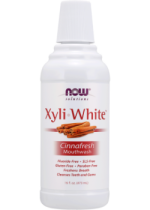
Xyliwhite™ Cinnafresh Mouthwash from NOW® Solutions is for effective dental care without the use of fluoride. A wonderful selection of flavours gives variety to everyone in the family. NOW® Cinnafresh Mouthwash is an effective fluoride-free oral rinse that works in unique ways to help you achieve a smile that’s cleaner and brighter than ever before. Cinnafresh Mouthwash gets its cleansing prope...
+ Earn 15 Reward PointsSale: $15.49
Reg.: $22.10 (Save $6.61)
In Stock -
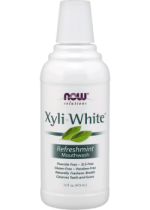
Xyliwhite™ Mouthwash gets its cleansing properties from xylitol – a naturally occurring sugar alcohol that has been shown in clinical studies to help promote dental health; effectively rinsing debris, such as food particles containing bacteria from mouth surfaces. NOW® Solutions offers Xyliwhite™ Mouthwash, effective dental care without the use of fluoride. A great selection of flavours gives v...
+ Earn 15 Reward PointsSale: $15.49
Reg.: $22.10 (Save $6.61)
In Stock -
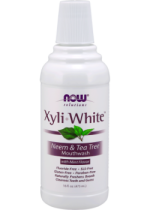
By preventing the mouth’s pH levels from falling below their normal range, XyliWhite™ Mouthwash protects the enamel surface of teeth. Neem and Tea Tree are combined in this mouthwash to provide gentle relief for people requiring additional oral care assistance. NOW® XyliWhite™ Mouthwash is an effective fluoride-free oral rinse that works in unique ways to help you achieve a smile that’s healthi...
+ Earn 15 Reward PointsSale: $15.49
Reg.: $22.10 (Save $6.61)
In Stock
Xylitol As A Sugar Substitute
Xylitol is a chemical compound that’s classified as a sugar alcohol and is widely used as a food additive and sugar substitute. Indeed, while Xylitol has a naturally sweet taste and looks and tastes just like regular table sugar, it is about 40% lower in calories than sugar (providing about 10 calories per teaspoon, versus 16 per teaspoon for sugar). In addition, unlike sugar, xylitol does not cause glycemia to spike and is considered a low glycemic index sweetener.
Xylitol occurs naturally in small amounts in foods such as plums, strawberries, cauliflower and pumpkin; and humans also make trace amounts during the metabolism of carbohydrates. As an alternative sweetener, xylitol is extracted from the bark of the birch tree and can be made from a plant fibre called xylan.
Xylitol can be purchased in granulated form and can be a great way to fulfill your sugar cravings without throwing off your glycemia or promoting cavities. It is used extensively in diabetes-friendly foods such as candy, chewing gum and breath mints, and in cough syrup, toothpaste, mouthwash, many kinds of nut butters, and many chewable vitamins.
Why Choose Xylitol? Top Health Benefits
- Excellent Alternative to Sugar in Diabetes/Pre-Diabetes/Obesity
- Has a Negligible Effect on Blood Sugar & Insulin
- Low Glycemic Index Sweetener
- Promotes Oral/Dental Health
Maximize Your Experience with Xylitol Sweetener
Xylitol is generally well tolerated, however, when consumed in large amounts, it can pull a lot of water into the intestine and/or cause gut fermentation. This can result in GI symptoms such as gas, bloating and diarrhea. However, most people get used to this alternative sweetener fairly quickly and any GI symptoms tend to subside gradually over time.
It is important to note that xylitol is toxic to dogs, so pet owners should be very careful about where they store it should they choose to stock it in the house. Indeed, while in humans xylitol does not stimulate the release of insulin, when dogs eat something containing xylitol, the xylitol is quickly absorbed into the bloodstream and can result in a rapid release of insulin from the pancreas. This can result in hypoglycemia, which, if left untreated, can be life-threatening to dogs.
Back to Top ↑








