

Xylitol
Updated Mar. 11th, 2026 | Read Time: 3 Minutes | What You Will Learn:
- What is Xylitol?
- Key Benefits of Xylitol
- Dental Health Support
- Blood Sugar Regulation
- Ear Health
- Low-Calorie Sugar Alternative
- Common Uses of Xylitol
- Side Effects & Safety Information
- Nutritional Information
- Reader Comments (4)
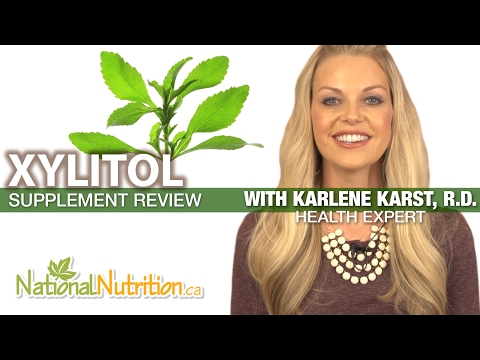
Xylitol is a naturally occurring sugar alcohol that's become a popular alternative to traditional sugar. It's considered a 'tooth-friendly' sugar. By adhering to the tooth enamel, it inhibits other sugars, with the exception of fructose, as well as attracts and then starves bacteria that can lead to cavities.
It's often found in chewing gum, toothpaste, mints and sugar-free foods. Unlike regular sugar, xylitol doesn't cause the same rapid rise in blood sugar levels.
Because of these benefits, this sugar has gained attention as a healthier sugar substitute. Let's explore what it is, its uses, and other important information.
What is Xylitol?
Xylitol is a type of sugar alcohol (polyol). Despite the name, sugar alcohols don't contain ethanol and are safe for consumption. It naturally occurs in small amounts in foods such as:
- Berries
- Plums
- Corn
- Mushrooms
- Oats
Your body also makes small amounts during normal metabolism.
For commercial use, it's extracted from plant fibres, most commonly from birch wood or corn cobs. After extraction, it is purified and crystallized into a white powder that closely resembles sugar in taste and appearance. Although it resembles sugar, it has a lower glycemic index, making it a common ingredient in diabetic-friendly foods.
Key Benefits of Xylitol
Dental Health Support
One of the most well-known benefits of xylitol is its ability to support oral health. It supports the healthy remineralization process of the enamel (by calcium). It has been shown to be particularly effective against Streptococcal mutans bacteria in the oral cavity. Studies have shown the chewing of xylitol gum to effectively prevent plaque and the formation of dental carries (cavities).
For this reason, it's often added to toothpaste, mouthwash, and sugar-free chewing gum.
Blood Sugar Regulation
Xylitol has a low glycemic index, meaning it causes only a small rise in blood glucose levels compared to regular sugar. Because of this, it is commonly used as a sweetener in products designed for those managing blood sugar levels.
Ear Health
Xylitol also adheres to bacteria in the nasal passages and throat, helping to prevent sinus infection and allergic rhinitis. It has also been implicated in the prevention of otitis media (middle ear infection). Given its effects against some forms of s. mutans, research is also investigating the effect that xylitol may have on streptococcal pneumonia species, specifically its ability to prevent upper respiratory tract infections due to this bacteria.
This potential benefit can be reaped by chewing gum or lozenges made with xylitol.
Low-Calorie Sugar Alternative
Xylitol provides sweetness comparable to sugar but with fewer calories. This makes it a popular ingredient in reduced-calorie foods and beverages for people looking to limit sugar intake.
Because it tastes similar to sugar and has no strong aftertaste, it's commonly used in sugar-free baked goods, low-carb foods, and diabetic-friendly snacks.
Common Uses of Xylitol
Today, xylitol is widely used in both food and personal care products.
Common sources include:
- Sugar-free gum
- Breath mints
- Toothpaste and mouthwash
- Sugar-free candy
- Low-sugar baked goods
- Nasal sprays
Side Effects & Safety Information
Although xylitol is safe for human consumption, it is highly toxic to dogs and other pets. Even small amounts can trigger a rapid release of insulin in dogs, leading to dangerous drops in blood sugar (hypoglycemia). Symptoms of xylitol poisoning in dogs may present as:
- Vomiting
- Weakness and/or loss of coordination
- Seizures
- Liver Failure
Keep products containing xylitol away from pets. If ingested, contact animal poison control and your veterinarian immediately.
In humans, excessive intake may cause digestive upset, with symptoms such as:
- Bloating
- Gas
- Diarrhea
When introducing this sugar alcohol to your diet, start off in moderation to avoid these side effects.
Xylitol is not recommended in pregnancy or during lactation. Supplemental doses of up to 20 g/day are considered safe for children.












This is my favourite substitute for sugar and it tastes the most like sugar. I don't care for other sugar substitutes like erythritol because they give me stomach issues. I do not and have never gotten any issues with this product and in my opinion, it tastes the best!
Hello Paul,
Many really enjoy xylitol or agave for a sugar substitute, thank you for sharing your thoughts. If you'd like to find some new recipes you can use xylitol in over sugar, check out our recipe section too:
https://www.nationalnutrition.ca/articles/healthy-recipes/
Stay healthy & well.
Xylitol is common in natural toothpastes/rinses and I feel its dental benefits are well known. I was unaware that xylitol could have sinus benefits as well!! (lots of benefits!!!) That said, I really appreciate your notes and precautions: for example, I did not know that high doses of xylitol might be associated with the formation of tumors. Balance is best and it is eally great that there are so many healthie sweetener options so that you can mix and match and have a balance. Thank you so much for another great and informative article!
Hello Rachel,
You're very welcome! We're thrilled to hear that you found our article on xylitol informative and helpful. It's always important to provide a balanced perspective on any topic, especially when it comes to health-related matters.
Xylitol indeed has several dental benefits and its potential sinus benefits are gaining recognition as well. However, as with any substance, it's crucial to be aware of the potential risks and limitations associated with its use. We strive to provide comprehensive information so that our readers can make informed decisions about their health. It's also important to note that it's toxic to dogs and should never be given to them or items containing xylitol should never be left at their reach.
You can learn more about natural sugar alternatives in this article, https://www.nationalnutrition.ca/articles/supplements/sugar-and-alternatives/