

Amino Acids Supplements
Support Optimal Health with Amino Acids
What Are Amino Acids? The body needs 20 Amino Acids to maintain optimal health and the body's normal functioning. These amino acids are divided up into two distinct categories: essential and non-essential amino acids. Eleven non-essential amino acids can be synthesized naturally in the body, while the other nine must be obtained through diet and/or supplementation. These nine are known as "essential amino acids" and are plentiful in meat, fish, dairy, eggs, tofu, soy, quinoa, and other plant-based foods. However, sometimes depending on your lifestyle, how often you work out or your diet, you may need amino acid supplements for an added boost. Read more >-
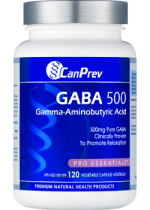
GABA is an inhibitory neurotransmitter in the brain commonly used as a stress reliever to calm the racing mind. CanPrev GABA 500 delivers a clinically proven 500mg dose of GABA. This naturally-occurring amino acid is produced by our brain to help temporarily promote relaxation. GABA works like a “brake” in our brain and central nervous system by slowing down activity. This leaves you with a rel...
+ Earn 21 Reward PointsSale: $21.99
Reg.: $24.99 (Save $3.00)
In Stock -

NAC+ was designed for superior defence against oxidative stress from over-exercise, pollutants and respiratory conditions. NAC+ from CanPrev features 600mg of N-Acetyl-L-Cysteine (NAC) with L-Glycine and selenium for enhanced cell protection against free radicals. Both N-Acetyl-L-Cysteine and L-Glycine are precursors to glutathione (GSH) – our critical intracellular antioxidant for the liver an...
+ Earn 26 Reward PointsSale: $26.99
Reg.: $29.99 (Save $3.00)
In Stock
The body needs 20 amino acids to maintain optimal health and the body's normal functioning. However, we don't always get enough from our food alone, that's where amino acid supplements come in.
Understanding Essential and Non-Essential Amino Acids
These amino acids are divided up into two distinct categories: essential and non-essential amino acids. Eleven non-essential amino acids can be synthesized naturally in the body, while the other nine must be obtained through diet and/or supplementation. These nine are known as "essential amino acids" and are plentiful in meat, fish, dairy, eggs, tofu, soy, quinoa, and other plant-based foods.
Amino acids are critical to overall health and wellness and are the building blocks of protein. Indeed, the body uses amino acids to build and repair tissues, to support hormone balance, enzyme and neurotransmitter production, and support immune function. While most people who consume a varied diet will obtain an adequate quantity of essential amino acids in their food, those following more restrictive diets or those with gut issues may be deficient. In addition, certain amino acids in supplement form may be therapeutically beneficial for specific health conditions. Speak to a qualified health care practitioner or knowledgeable staff at your favourite health food store for guidance on which amino acid supplement or blend might be right for you.
Amino Acid Benefits
- Boosts Energy Naturally
- Help Maintain Healthy Weight
- Maintain Hormone Balance
- Promote Robust Immunity
- Support Neurotransmitter Production
Who Needs These Supplements?
As seen, amino acids are crucial for overall health and wellness and a deficiency (or even a suboptimal level of aminos) can throw off many functions inside the body. Indeed, amino acid deficiencies have been associated with lowered immunity, digestive problems, mood disorders including depression, fertility issues, slowed muscle protein synthesis, muscle wasting, fatigue, lack of energy, and decreased exercise performance. This is why a quality amino acid supplement is ideal for helping boost natural energy production, improving exercise performance and endurance and maximizing your muscle building.
Choosing The Right Amino Acid Supplement
The best amino acid supplements are available in most health food stores and online supplement retailers. They come either in single amino acid form or in all sorts of amino acid combinations featuring all the essential amino acids or various combinations thereof. You can select the delivery format you prefer: amino acid powders, amino acid capsules, amino acid tablets, or amino liquids. Each of these has its own specific dosing recommendations based on the blend of ingredients.
Choosing Quality Supplements
Amino acid supplements pair exceptionally well with B vitamins, most notably, the active forms of vitamin B-complex to enhance the function of amino acids. Ideally, you should take your amino acid supplement half an hour before or after a meal. Taking amino acids when the stomach is empty eliminates the possibility that they will compete with the amino acids already present in high-protein foods. The exception is glutathione (a combination of glutamic acid, cysteine, and glycine) which should be taken with food to prevent stomach irritation.
Where To Buy Amino Acid Supplements
At National Nutrition, we carry an array of amino acid supplements, including popular bcaa supplements you can buy in-store or online.
Back to Top ↑








