

Single Amino Acids
Understanding Single Amino Acids: A Comprehensive Guide
Amino Acids are molecules that combine to form proteins. They are the building blocks of life. Roughly 500 amino acids have been identified in nature, but just 20 of them make up the proteins found in the human body. Eleven of these are made inside the body, while the remaining 9 must be supplied by food and, as needed, through supplementation. Read more >-

ENHANCE MUSCLE RECOVERY AND CONTROL BLOOD SUGAR WITH BCAA POWDER FROM AOR AOR's BCAA Powder is essential amino acids that must be obtained through the diet; they cannot be made in the body. Branched chain amino acids (BCAAs) are the most abundant of the essential amino acids. The BCAA category includes three amino acids: leucine, isoleucine and valine. BCAAs are known to support muscle recover...
+ Earn 48 Reward PointsSale: $48.47
Reg.: $60.59 (Save $12.12)
In Stock -
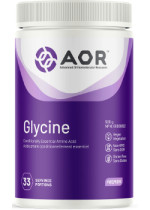
GLYCINE 100% FROM AOR Glycine is the simplest of all amino acids required for protein synthesis in the body. Research supports a role for glycine in supporting a wide range of bodily structures and functions, including release of human growth hormone, memory function, healthy thought patterns, collagen synthesis and more.
+ Earn 33 Reward PointsSale: $33.48
Reg.: $41.85 (Save $8.37)
In Stock -
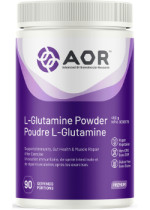
L-GLUTAMINE POWDER. Glutamine is the most abundant free amino acid in the body. L-Glutamine from AOR plays an important role in supporting intestinal mucosal metabolic function. The significance of glutamine, cannot be overstated, as it isitical for a wide variety of essential functions, including: optimal operation of the kidneys, pancreas, gall bladder, liver, the small and large intestines,...
+ Earn 46 Reward PointsSale: $46.00
Reg.: $57.50 (Save $11.50)
In Stock
Essential Single Amino Acids: A Detailed Chart
Amino acids are molecules that combine to form proteins. They are the building blocks of life. Roughly 500 Amino acids have been identified in nature, but just 20 of them make up the proteins found in the human body. Eleven of these are made inside the body, while the remaining 9 must be supplied by food and, as needed, through supplementation. Let's explore the chart of necessary amino acids for good health.
A chart of essential amino acids include: histidine, isoleucine, leucine, lysine, methionine, phenylalanine, threonine, tryptophan, and valine, all of which are naturally abundant in foods such as beef, poultry, fish, eggs, dairy, soy, quinoa, and buckwheat. Other foods such as nuts, seeds, beans, and certain grains contain some but not all the essential amino acids. Thus, they are “incomplete proteins" and should be combined to supply all 9 essential amino acids.
When your diet is lacking, or if you're looking to stimulate physical performance, boost energy, stimulate muscle protein synthesis, support immunity, enhance digestion, and promote overall excellent health, nothing beats a good amino acid supplement. Besides forming proteins, amino acids are needed to produce enzymes, hormones, and neurotransmitters. They are also involved in numerous metabolic pathways within cells throughout the body.
Key Benefits of Single Amino Acids for Wellness
- Boost Muscle Building & Prevent Muscle Breakdown
- Enhance Physical Performance
- Help Balance Glycemia
- Promote Neurotransmitter and Hormone Synthesis
- Stimulate Energy Production
Determining the Need: Who Benefits from Single Amino Acids?
Amino acids may be recommended as a complex, which has the advantage of not throwing off your amino acid balance. Still, individual amino acids may also be recommended depending on a person's health status and goals and may be ideal for specific health challenges. Here's a chart of amino acids and which health concerns they support:
- Glutamine may be recommended for: GI issues such as IBS, Crohn's disease, celiac disease, and gastritis, as well as to prevent muscle breakdown and improve immune system function
- Tryptophan may be recommended to help regulate the sleep-wake cycle, appetite, sleep, mood, and pain.
- Carnitine may be used to aid weight loss, improve exercise performance, and enhance a sense of well-being
There is a wide range of single amino acid supplements available on the market, each offering its own unique health benefits. For guidance on which amino acid(s) may be advantageous for you, speak to the knowledgeable staff at your favourite health food store or online retailer.
Varieties of Single Amino Acids: Potency & Formats Explored
Single amino acid supplements are widely available in capsules and powders and in fun gummy form for those suffering from pill fatigue. Amino acids are also frequently added to protein powders to enhance performance, boost muscle building, and speed post-exercise recovery. Each amino acid is offered in its own optimal dosing range. Always refer to the label instructions on your product to determine which dose is best for you.
Insights & Considerations: Making the Most of Single Amino Acids
Most amino acid supplements, whether in combination or isolated form, are well tolerated and cause few side effects. However, if your dose is too high, you may experience certain side effects such as:
- Gastrointestinal distress, including bloating
- Abdominal pain
- Changes in eating patterns
- Diarrhea
- Drop in blood pressure
Amino acid supplements should ideally be taken on an empty stomach between meals to get the most bang for your buck. However, when it comes to sports nutrition, athletes and strength trainers can take their amino acid supplement either before, during, after training, or any other time throughout the day when a meal or a shake isn’t possible or preferred.
Back to Top ↑








